
If you’ve recently found your cat curled up on your laptop keyboard—again—it’s more than just a quirky habit. This sudden change in behavior might seem random, but it’s rooted in feline instincts, emotional cues, and environmental factors. Cats are creatures of subtle communication, and when they choose to nap on your keyboard, they’re sending a message. Whether it’s about warmth, attention, or territory, understanding the reasons behind this behavior can deepen your relationship and help you respond appropriately.
This isn’t just about convenience or comfort. A cat that consistently claims your keyboard is making a deliberate choice—one influenced by biology, emotion, and learned behavior. By unpacking the science and psychology behind this common household phenomenon, you’ll gain insight into your cat’s needs and how to balance them with your own daily routine.
The Warmth Factor: Heat as a Primary Attraction
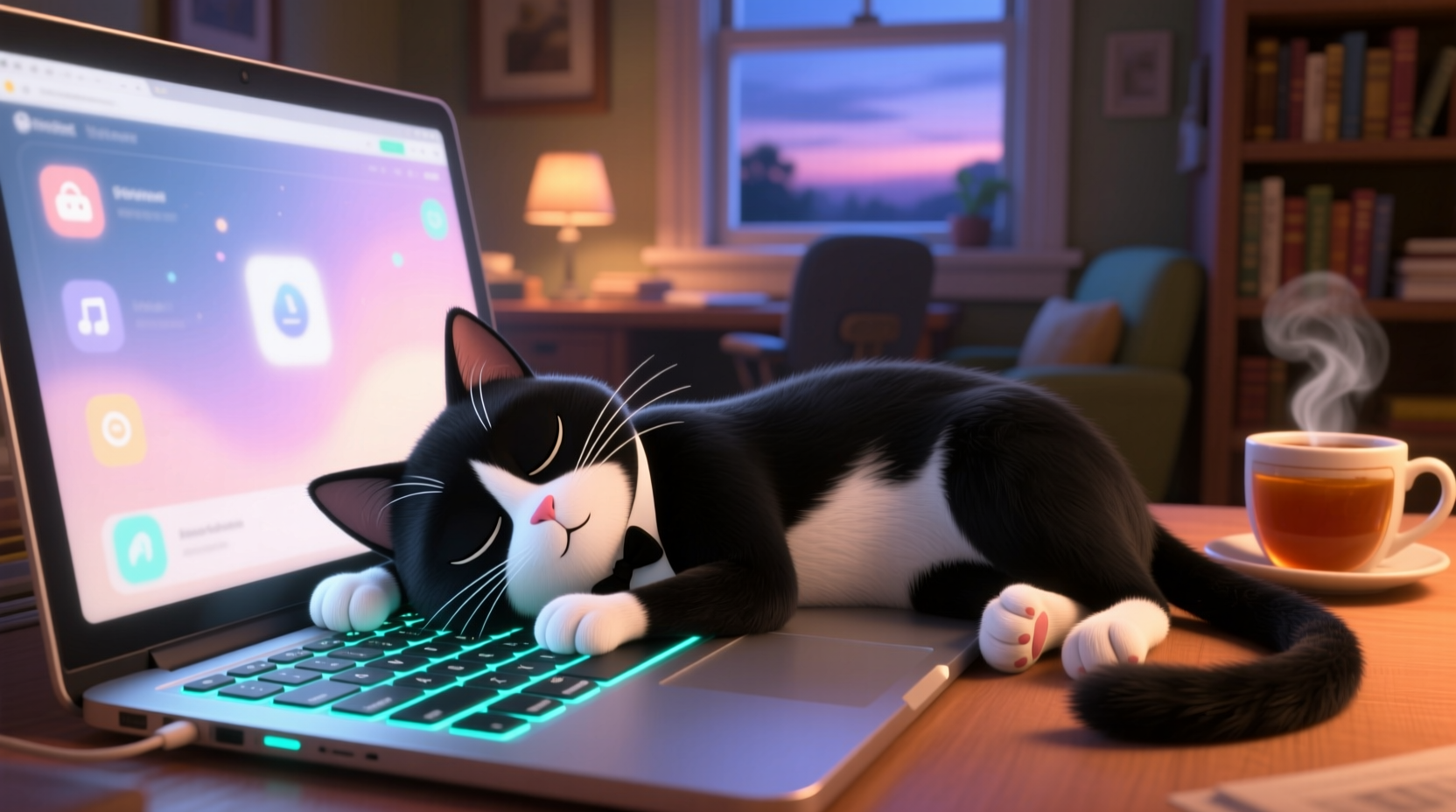
One of the most straightforward explanations is heat. Laptops emit a steady stream of warmth from their processors, especially after being used for even short periods. For cats, who maintain a higher body temperature than humans (around 100–102.5°F), warm surfaces are naturally appealing. A keyboard becomes an instant heated bed—a small, cozy spot radiating just enough warmth to satisfy a cat’s thermoregulatory preferences.
This tendency dates back to their wild ancestors, who sought out sun-warmed rocks or sheltered nooks to conserve energy. Modern domestic cats haven’t lost this instinct. In fact, studies show that cats prefer ambient temperatures between 86°F and 97°F—well above what most homes are set to. That makes any source of radiant heat, including electronics, irresistibly attractive.
It’s not unusual for a cat to discover the warmth of a laptop during or immediately after use. Once they associate the device with comfort, they may begin anticipating its availability—waiting nearby or nudging you aside when you step away.
Attention and Bonding: The Emotional Connection
Cats are often misunderstood as aloof, but many are deeply attuned to their owners’ routines. When your cat settles onto your keyboard, they’re placing themselves directly in your line of sight and physical interaction. It’s a strategic move—not manipulative, but instinctively effective.
Your keyboard is where you spend significant time focused and still. To a cat seeking engagement, this represents a prime opportunity to reconnect. By occupying your workspace, they increase the likelihood of receiving pets, conversation, or at least eye contact. This behavior is especially common in cats that feel under-stimulated or perceive a shift in household dynamics—such as new work-from-home schedules, added family members, or reduced playtime.
“Cats don’t demand attention the way dogs do, but they’re experts at positioning themselves where they know they’ll be noticed.” — Dr. Sarah Langston, DVM, Feline Behavior Specialist
In multi-pet households or busy homes, a cat may resort to “keyboard napping” as a way to reclaim their share of affection. It’s not defiance; it’s communication. They’ve learned that your keyboard equals your presence—and your presence equals connection.
Territorial Instincts and Scent Marking
Cats are territorial animals, and one of their primary methods of marking ownership is through scent. They have scent glands on their cheeks, forehead, and paws, which release pheromones when they rub against objects—or press into them while settling down.
When your cat sleeps on your keyboard, they’re not only enjoying warmth and proximity but also depositing their scent. This act reinforces their claim over both the object and the space around you. From their perspective, your laptop is now part of their domain.
This behavior intensifies if there have been recent changes in the environment: a new pet, guest, furniture rearrangement, or even unfamiliar scents on your clothing. Your keyboard becomes a symbolic anchor point—a place where your cat reaffirms their status and reduces anxiety.
Interestingly, research published in *Applied Animal Behaviour Science* indicates that cats use scent marking not only to establish territory but also to self-soothe. Familiar scents reduce stress, so by covering your laptop in their odor, they create a calming micro-environment.
Changes in Routine or Environment
Sudden behavioral shifts often trace back to changes in routine. If your cat has only recently started sleeping on your keyboard, consider what else might have changed:
- You began working from home full-time.
- Your schedule shifted, reducing play or cuddle time.
- A new electronic device was introduced (different heat output or location).
- There’s increased noise or activity elsewhere in the house.
- Another pet is competing for your attention.
In one documented case, a tabby named Milo began sleeping exclusively on his owner’s keyboard two weeks after she returned from maternity leave. Previously accustomed to constant companionship, Milo experienced a drop in one-on-one interaction. His owner initially saw the behavior as nuisance, but upon tracking patterns, realized he only approached the laptop during her breaks—times when she was physically present but mentally distracted.
Mini Case Study: Milo the Office Companion
Milo, a 4-year-old domestic shorthair, had always been independent. But after his owner brought her newborn home, he began appearing on her laptop each morning. She tried deterrents—closed lids, keyboard covers, gentle removal—but he persisted. A veterinary behaviorist suggested reframing the behavior: instead of resisting, she scheduled two 10-minute play sessions daily using interactive toys near her desk. Within a week, Milo still visited the keyboard but often left after receiving attention. After three weeks, he began napping beside the laptop instead of on it.
The solution wasn’t about exclusion—it was about inclusion. Milo didn’t want the keyboard; he wanted reassurance that he still mattered.
Practical Solutions: How to Respond Without Conflict
While endearing, constant keyboard occupation can interfere with productivity. The goal isn’t to stop your cat from seeking closeness, but to redirect the behavior in a way that respects both their needs and yours.
Step-by-Step Guide to Reducing Keyboard Occupation
- Observe the pattern: Note when and how often your cat approaches the keyboard. Is it after meals? During Zoom calls? When you stop typing?
- Introduce a designated alternative: Place a soft, warm bed or blanket within arm’s reach of your desk. Sprinkle it with catnip or use a microwavable heating pad (wrapped safely) to enhance appeal.
- Reinforce positive choices: When your cat uses the alternative spot, reward with praise, gentle pets, or a treat. Avoid rewarding only when they’re on the keyboard—this reinforces the undesired behavior.
- Create a pre-work ritual: Spend five minutes playing with your cat before sitting down. This satisfies their need for interaction upfront.
- Use temporary barriers: Close your laptop lid or use a lightweight cover when stepping away briefly. This prevents reinforcement of the habit during idle times.
- Gradually phase in boundaries: If your cat jumps on the keyboard, gently lift them and place them on their bed—without scolding. Consistency over time reshapes habits.
Checklist: Cat-Friendly Workspace Setup
- ✅ Designated cat bed or cushion near your desk
- ✅ Access to natural light or warmth (but not direct sun)
- ✅ Interactive toy or puzzle feeder nearby
- ✅ Daily scheduled play session (morning and evening)
- ✅ Safe, stable surface at a comfortable height
- ✅ No toxic plants or loose cables within reach
When to Be Concerned: Behavioral Red Flags
While keyboard sleeping is usually normal, sudden or obsessive behavior can signal underlying issues. Watch for these signs:
| Behavior | Possible Meaning | Action Step |
|---|---|---|
| Refuses to leave keyboard even when disturbed | Possessiveness, anxiety, or cognitive dysfunction (in older cats) | Consult veterinarian; assess for stress or medical causes |
| Becomes aggressive when removed | Resource guarding or fear-based reactivity | Seek advice from a certified feline behaviorist |
| Excessive vocalization or clinginess beyond keyboard use | Separation anxiety or hormonal imbalance | Evaluate routine changes and rule out health problems |
| Lethargy or loss of appetite alongside new habits | Potential illness—cats often seek warmth when unwell | Schedule vet exam promptly |
Older cats, in particular, may gravitate toward warm electronics not just for comfort but because they’re experiencing joint pain or reduced circulation. Arthritis is common in senior cats and often goes undiagnosed because they hide discomfort so well.
FAQ: Common Questions About Cats Sleeping on Keyboards
Is it harmful for my cat to sleep on my laptop?
Occasional naps are generally safe, but prolonged exposure to heat buildup can affect both your cat and the device. Overheating can damage laptop components, and restricted airflow may cause the fan to run longer, increasing noise and temperature. Additionally, claws can scratch surfaces, and accidental key presses may disrupt work. Use a barrier when stepping away, and ensure your cat has cooler alternatives.
Why does my cat only do this with my laptop and not my partner’s?
This likely comes down to association. Your cat may link your specific laptop with your presence, scent, or routine. If you’re the primary caregiver or spend more time in a certain area, your belongings carry stronger social significance. It could also relate to heat output—some laptops run hotter than others based on model or usage.
Can I train my cat to stop sleeping on my keyboard?
You can’t eliminate the instinct, but you can redirect it. Training focuses on consistency and positive reinforcement. Never punish your cat—this damages trust. Instead, make the desired behavior (using their own bed) more rewarding than the unwanted one. Over time, with patience, most cats adapt willingly.
Conclusion: Embracing the Quirks of Cat Ownership
Your cat sleeping on your keyboard every day isn’t a malfunction—it’s a meaningful interaction wrapped in fur and purrs. Behind the inconvenience lies a complex blend of biology, emotion, and loyalty. Rather than viewing it as a problem to fix, consider it an invitation: your cat is choosing to be close to you, in the place where you spend your time and focus your energy.
By responding with empathy and structure, you can honor their needs while maintaining your productivity. Create a space where both of you feel seen. Offer warmth, attention, and security in ways that don’t require sacrificing your work setup. In doing so, you strengthen the bond that makes cat ownership so uniquely rewarding.




 浙公网安备
33010002000092号
浙公网安备
33010002000092号 浙B2-20120091-4
Comments
No comments yet. Why don't you start the discussion?