
It’s not uncommon for cat owners to find undigested or partially digested food on the floor shortly after their feline has eaten. While occasional vomiting can be normal, frequent or persistent episodes may signal an underlying health issue. Understanding why your cat is throwing up food—and knowing what steps to take—can make a significant difference in their comfort and long-term well-being.
Common Causes of Food Vomiting in Cats
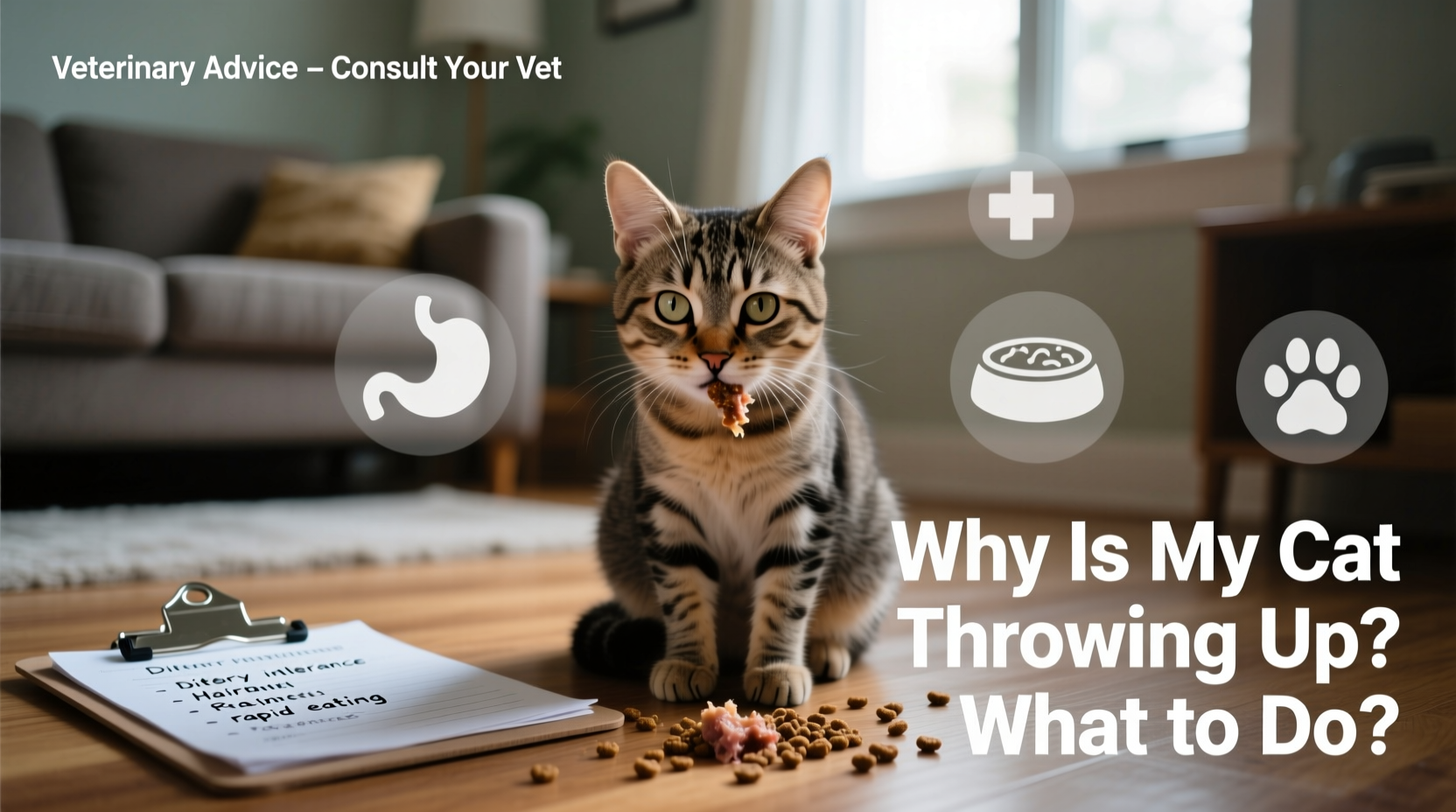
Cats may vomit food for a variety of reasons, ranging from benign habits to serious medical conditions. Identifying the root cause is essential before determining the appropriate response.
- Eating too quickly: Some cats gulp down food rapidly, leading to regurgitation due to air ingestion and stomach distension.
- Dietary intolerance or sensitivity: Certain ingredients like grains, fillers, or specific proteins may not agree with your cat’s digestive system.
- Sudden diet changes: Abruptly switching foods can upset a cat’s stomach, causing vomiting within hours.
- Hairballs: Especially in long-haired breeds, hair accumulation in the stomach can trigger vomiting, sometimes mixed with food.
- Gastrointestinal disorders: Conditions such as inflammatory bowel disease (IBD), gastritis, or intestinal obstructions may lead to chronic vomiting.
- Parasites: Intestinal worms like roundworms or hookworms can irritate the gut lining and provoke vomiting.
- Poisoning or toxin ingestion: Household cleaners, toxic plants (like lilies), or human medications can cause acute vomiting.
- Systemic diseases: Kidney disease, liver dysfunction, hyperthyroidism, or pancreatitis often present with gastrointestinal symptoms including vomiting.
When to Be Concerned: Red Flags
Not all vomiting requires emergency care, but certain signs should prompt immediate veterinary attention.
“Vomiting becomes concerning when it’s frequent, projectile, contains blood, or is accompanied by lethargy, weight loss, or dehydration.” — Dr. Lena Patel, DVM, Feline Internal Medicine Specialist
Seek urgent help if your cat shows any of the following:
- Vomits more than once daily for two consecutive days
- Appears weak, dehydrated, or refuses water
- Produces yellow or green bile consistently
- Vomits blood (bright red or coffee-ground appearance)
- Has a swollen abdomen or shows signs of pain when touched
- Loses weight despite normal appetite
Step-by-Step Guide: What to Do When Your Cat Throws Up Food
If your cat vomits food once and seems otherwise fine, you can monitor at home. Use this timeline to assess and respond appropriately:
- Withhold food for 12 hours: Allow the digestive tract to rest. Continue offering fresh water in small amounts to prevent dehydration.
- Reintroduce food gradually: After 12 hours, offer a small portion (about 1/4 of a normal meal) of bland food such as boiled chicken and rice or a prescription gastrointestinal diet.
- Monitor closely: Watch for additional vomiting, diarrhea, or changes in behavior over the next 24 hours.
- Resume regular feeding slowly: If no further vomiting occurs, gradually return to the usual diet over the next 2–3 days.
- Contact your vet: If vomiting recurs, worsens, or is paired with other symptoms, schedule an appointment immediately.
Prevention Strategies and Long-Term Care
Proactive measures can reduce the frequency of food-related vomiting and support overall digestive health.
| Issue | Prevention Strategy | Avoid |
|---|---|---|
| Eating too fast | Use slow-feeder bowls or place a clean ball in the bowl to slow consumption | Free-feeding large portions |
| Dietary sensitivity | Switch to limited-ingredient or hypoallergenic diets under vet guidance | Sudden food changes without transition |
| Hairball buildup | Brush your cat regularly; use hairball control food or lubricant gels | Ignoring grooming needs in long-haired cats |
| Stress-induced vomiting | Maintain routine, provide safe spaces, consider pheromone diffusers | Environmental disruptions without gradual adjustment |
Mini Case Study: Bella the Persian Cat
Bella, a 5-year-old Persian, began vomiting undigested kibble every morning. Her owner initially assumed she was eating too fast. After trying a slow feeder with no improvement, a vet visit revealed mild gastritis and hairball irritation. The veterinarian recommended a switch to a wet, hairball-control diet and twice-daily brushing. Within three weeks, Bella’s vomiting stopped entirely. This case highlights how multiple factors—even seemingly minor ones—can combine to cause chronic symptoms.
Checklist: Responding to Cat Vomiting
Use this checklist the next time your cat throws up food:
- ✅ Note the time, frequency, and appearance of the vomit
- ✅ Check for foreign objects, mucus, blood, or bile
- ✅ Assess your cat’s energy level and hydration status
- ✅ Withhold food for 12 hours while offering water in small sips
- ✅ Reintroduce a bland diet if no further vomiting occurs
- ✅ Contact your vet if vomiting persists beyond 24 hours or worsens
- ✅ Schedule diagnostic tests (blood work, ultrasound, fecal exam) if chronic
Frequently Asked Questions
Is it normal for cats to throw up once in a while?
Yes, occasional vomiting—especially related to hairballs or eating too quickly—is common. However, vomiting more than once a week is not normal and warrants investigation.
Should I change my cat’s food if they’re throwing up?
Not immediately. Sudden dietary changes can worsen the problem. Work with your vet to identify possible sensitivities and transition gradually over 7–10 days using a limited-ingredient or prescription diet.
Can stress cause my cat to vomit food?
Yes. Stress from moving, new pets, loud noises, or routine changes can trigger gastrointestinal upset in sensitive cats. Environmental enrichment and consistency help reduce stress-related vomiting.
Conclusion: Take Action for Your Cat’s Health
Seeing your cat throw up food can be distressing, but understanding the potential causes empowers you to respond effectively. From adjusting feeding practices to recognizing warning signs that require professional care, proactive attention makes all the difference. Don’t dismiss repeated vomiting as “just how my cat eats.” Early intervention can prevent minor issues from becoming serious health problems.




 浙公网安备
33010002000092号
浙公网安备
33010002000092号 浙B2-20120091-4
Comments
No comments yet. Why don't you start the discussion?