
Seeing your cat move in an unusual way can be alarming. Whether it’s a wobble, a limp, or an uncoordinated gait, abnormal walking patterns are not something to ignore. Cats are naturally agile and precise in their movements, so any deviation from their usual grace may signal an underlying health issue. While some causes are minor and temporary, others require urgent veterinary attention. Understanding the potential reasons behind your cat’s odd gait—and knowing when to act—can make all the difference in their recovery.
Common Causes of Abnormal Walking in Cats
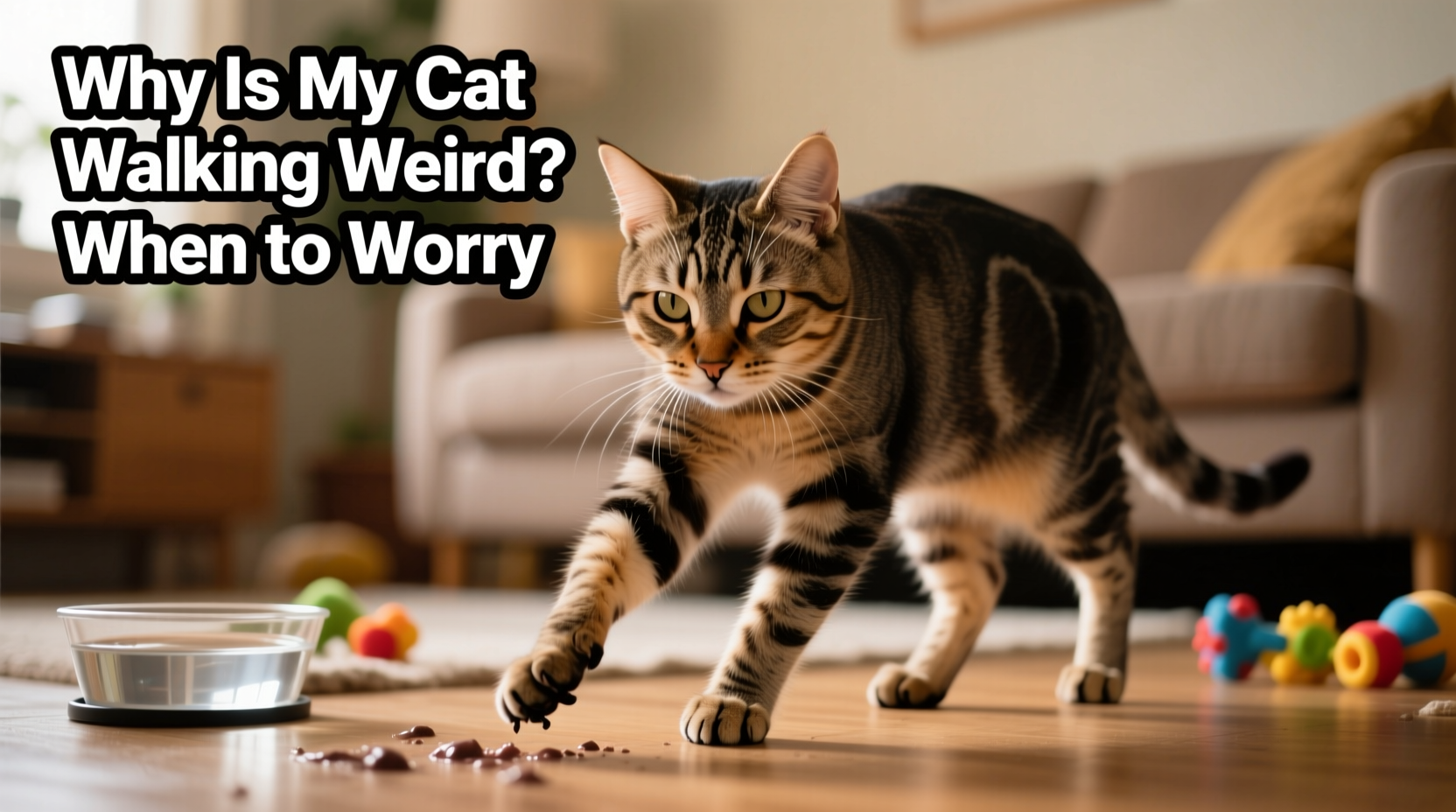
Cats may walk strangely for a variety of reasons, ranging from injury to neurological conditions. Identifying the root cause often depends on accompanying symptoms, the cat’s age, and recent behavior.
- Muscle or joint injuries: Sprains, strains, or bruises from jumping, falling, or rough play can lead to limping or favoring one leg.
- Arthritis: Older cats commonly develop osteoarthritis, especially in the hips and knees, causing stiffness and a hesitant gait.
- Neurological disorders: Issues with the brain, spinal cord, or nerves—such as vestibular disease or intervertebral disc disease—can result in wobbling, head tilting, or loss of coordination.
- Infections: Inner ear infections affect balance, leading to circling or leaning to one side. Systemic infections like FIP (feline infectious peritonitis) may also impair mobility.
- Toxins: Ingestion of household poisons such as antifreeze, certain plants, or medications can cause ataxia (loss of control) and tremors.
- Spinal trauma: A fall or impact can damage the spine, potentially leading to partial or complete paralysis.
- Vestibular syndrome: Often mistaken for a stroke, this condition affects balance and causes head tilting, rolling, or walking in circles.
When to Worry: Red Flags That Require Immediate Attention
Not every strange walk means an emergency, but certain signs should prompt immediate veterinary evaluation. Delaying care in serious cases can lead to permanent damage or worsened outcomes.
“Any sudden change in mobility, especially with weakness or collapse, should be treated as urgent. Neurological and traumatic causes need rapid diagnosis.” — Dr. Lena Torres, DVM, Feline Internal Medicine Specialist
Symptoms that demand same-day vet care:
- Inability to stand or support weight on one or more limbs
- Dragging legs or knuckling over paws
- Sudden paralysis or severe wobbling
- Head tilt with rapid eye movements (nystagmus)
- Vomiting, disorientation, or seizures alongside gait issues
- Limp tail, difficulty urinating, or defecating (signs of saddle thrombus)
- Obvious pain when moving or being touched
A particularly dangerous condition known as aortic thromboembolism—or “saddle thrombus”—often strikes without warning. It occurs when a blood clot blocks blood flow to the hind legs, causing sudden paralysis, cold limbs, and extreme distress. This is a life-threatening emergency requiring immediate hospitalization.
Step-by-Step Guide: What to Do If Your Cat Is Walking Strangely
If you notice your cat moving abnormally, follow these steps to ensure proper assessment and timely care.
- Stay calm and observe: Note when the behavior started, which limbs are affected, and whether your cat seems in pain.
- Limit activity: Confine your cat to a safe, quiet area to prevent falls or further injury.
- Check for visible injuries: Gently examine paws, legs, and joints for swelling, cuts, or foreign objects.
- Monitor other symptoms: Watch for changes in appetite, litter box habits, vocalization, or responsiveness.
- Contact your veterinarian: Describe the gait issue in detail and provide video footage if possible.
- Prepare for the visit: Bring notes on onset, behavior changes, and any potential exposure to toxins or trauma.
- Follow through with diagnostics: Be ready for X-rays, blood work, or neurological exams as recommended.
Do’s and Don’ts When Dealing With Mobility Issues
| Do’s | Don’ts |
|---|---|
| Record a video of your cat walking for the vet | Force your cat to walk or jump |
| Keep your cat warm and comfortable | Give human pain medication (e.g., ibuprofen, acetaminophen) |
| Offer food and water nearby if mobility is limited | Delay veterinary care if symptoms worsen |
| Use non-slip mats on slippery floors | Ignore subtle changes in gait or balance |
Real-Life Example: Bella the Senior Cat’s Sudden Wobble
Bella, a 12-year-old domestic shorthair, began stumbling after jumping off the couch. Her owner noticed she was leaning to the right and had trouble walking in a straight line. There was no history of trauma, but Bella had been less active over the past few weeks.
A video of her gait showed head tilt and irregular eye movements. The vet diagnosed peripheral vestibular disease—likely idiopathic (unknown cause), common in older cats. After ruling out brain tumors and infection, Bella was given supportive care: anti-nausea medication and a quiet environment. Within three days, her balance improved significantly, and by day ten, she was nearly back to normal.
This case highlights how even severe-looking symptoms can have favorable outcomes with prompt evaluation and proper management.
Frequently Asked Questions
Can a cat recover from walking weirdly?
Yes, many cats fully recover depending on the cause. Minor sprains or idiopathic vestibular disease often resolve within days to weeks. Chronic conditions like arthritis can be managed with medication and lifestyle adjustments. Recovery from neurological or traumatic injuries varies and may require long-term therapy.
Is it normal for older cats to walk oddly?
While aging cats may show mild stiffness or reduced agility, pronounced limping, swaying, or hesitation is not normal. Arthritis is common, but other issues like diabetes, kidney disease, or nerve degeneration must be ruled out. Regular vet checkups help catch problems early.
What should I do if my cat can’t walk but isn’t in pain?
Even without obvious pain, inability to walk is an emergency. Conditions like spinal compression, nerve damage, or silent clots can present without vocalization. Cats instinctively hide discomfort. Seek veterinary care immediately to prevent irreversible damage.
Conclusion: Act Early, Protect Your Cat’s Health
Your cat’s ability to move freely is a key indicator of overall well-being. Strange walking patterns should never be dismissed as “just getting old” or “being clumsy.” Early intervention dramatically improves outcomes, especially in neurological or vascular emergencies. By staying observant, documenting symptoms, and acting swiftly, you give your cat the best chance at a full recovery.




 浙公网安备
33010002000092号
浙公网安备
33010002000092号 浙B2-20120091-4
Comments
No comments yet. Why don't you start the discussion?