
A cat’s wet nose is one of those subtle quirks that often goes unnoticed—until it changes. Many pet owners have wondered: Is a wet nose a sign of good health? Should I worry if it’s dry? The truth is, nasal moisture in cats is influenced by multiple factors, from hydration to environment to underlying medical conditions. Understanding the science behind your cat’s moist snout can help you better monitor their well-being and recognize when something might be off.
The Science Behind a Wet Cat Nose
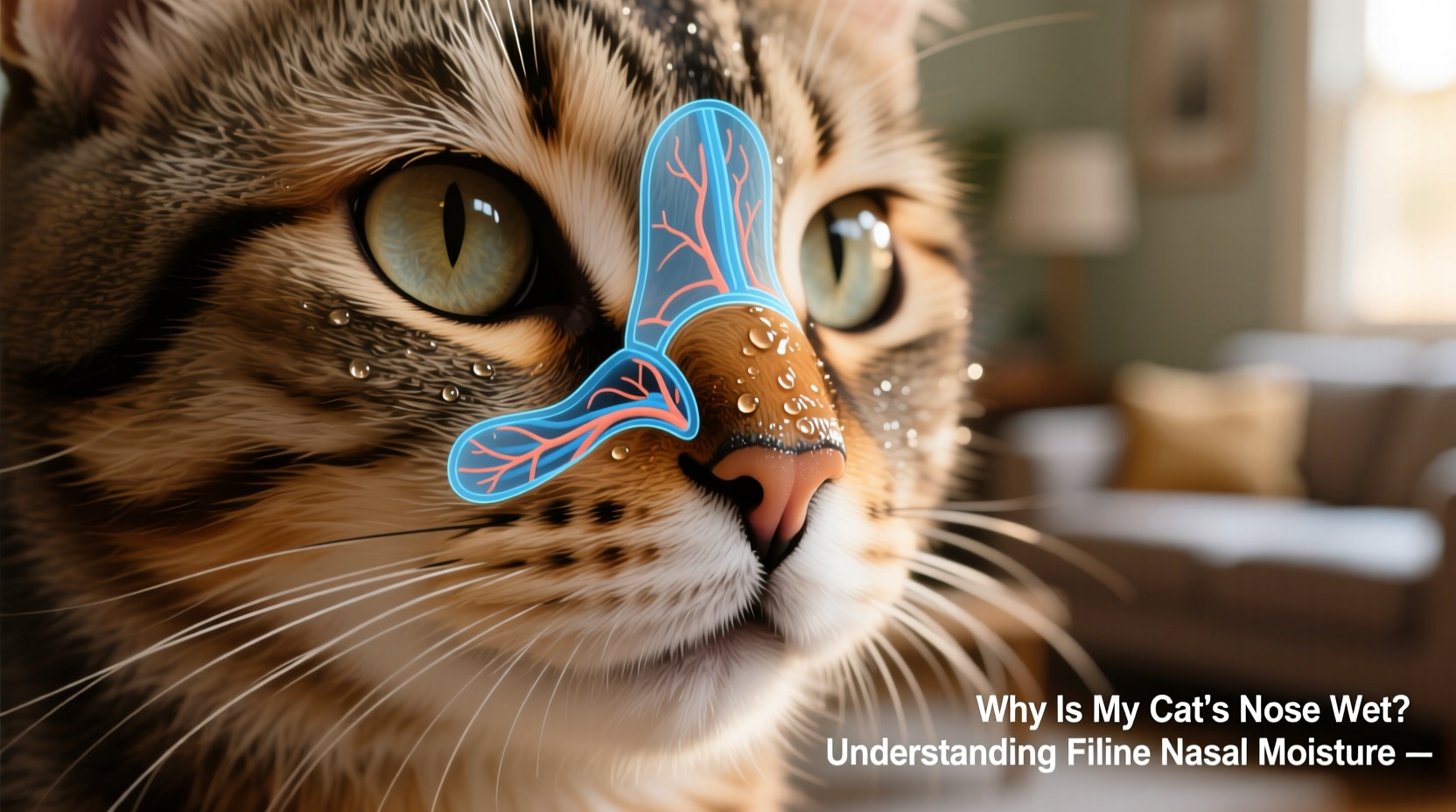
Cats naturally have damp noses due to a combination of grooming behavior, glandular secretions, and evaporative cooling. When a cat licks its nose, saliva transfers moisture across the surface, keeping it cool and slightly wet. Additionally, the nasal glands produce mucus that helps trap dust and pathogens before they enter the respiratory tract. This moisture also enhances a cat’s sense of smell—moist surfaces are more effective at dissolving scent particles, allowing olfactory receptors to detect odors more efficiently.
Dr. Lena Patel, a board-certified feline veterinarian with over 15 years of clinical experience, explains:
“Cats rely heavily on their sense of smell for communication, hunting, and environmental assessment. A moist nose acts like a natural scent amplifier. It’s not just about comfort—it’s functional biology.” — Dr. Lena Patel, DVM, Feline Health Specialist
However, a wet nose alone isn’t a definitive indicator of perfect health. Just as humans vary in skin texture and sweat levels, cats differ in nasal moisture depending on breed, age, activity level, and surroundings.
Normal Variations in Nasal Moisture
It’s a myth that a healthy cat always has a wet nose. In reality, nasal moisture fluctuates throughout the day. For example:
- After waking up, a cat’s nose may feel dry due to reduced licking during sleep.
- In warm or dry indoor environments, evaporation increases, leading to temporary dryness.
- Active cats may have wetter noses from increased panting or grooming.
- Some breeds, like Persians or other brachycephalic (flat-faced) cats, tend to have drier noses due to altered airflow and tear drainage.
When a Dry Nose Might Signal a Problem
While occasional dryness is normal, persistent changes—especially when paired with other symptoms—can indicate an underlying issue. Key red flags include:
- Cracking, bleeding, or scabbing on the nose
- Pale, gray, or yellowish gum color
- Lethargy, decreased appetite, or vomiting
- Nasal discharge, sneezing, or labored breathing
- Increased thirst or urination
Dehydration is one of the most common causes of prolonged nasal dryness. Cats are notoriously poor drinkers, especially those on dry food diets. Without adequate fluid intake, mucous membranes—including the nose—become less hydrated.
Other potential causes include:
- Fever: Elevated body temperature accelerates fluid loss and reduces nasal secretions.
- Allergies or infections: Upper respiratory infections (common in multi-cat households) often begin with a runny nose but can progress to crusting or congestion.
- Sunburn or dermatitis: Light-colored cats exposed to direct sunlight may develop irritated or dry nasal tissue.
- Autoimmune disorders: Conditions like pemphigus foliaceus can cause crusty lesions on the nose and face.
Case Study: Bella the Indoor Tabby
Bella, a 7-year-old domestic shorthair, began spending more time under the bed and stopped grooming regularly. Her owner noticed her nose was unusually dry and cracked. At first, she assumed it was due to winter heating. But when Bella stopped eating for two full days, her owner brought her to the vet.
Blood work revealed mild kidney insufficiency—a common condition in aging cats. Reduced kidney function led to dehydration, which manifested partly through a persistently dry nose. With subcutaneous fluids, a switch to wet food, and environmental humidification, Bella’s hydration improved within a week, and her nasal moisture returned to normal.
This case highlights how a single symptom, when viewed in context, can reveal deeper health issues.
Do’s and Don’ts: Managing Your Cat’s Nasal Health
| Do’s | Don’ts |
|---|---|
| Monitor your cat’s nose daily as part of routine wellness checks | Apply human lotions or ointments to your cat’s nose |
| Encourage hydration with fresh water, fountains, or wet food | Assume a dry nose always means illness |
| Use a humidifier in dry climates or heated rooms | Touch or probe a sore or crusty nose aggressively |
| Contact your vet if dryness persists beyond 24–48 hours with other symptoms | Ignore behavioral changes like hiding or appetite loss |
Step-by-Step: Assessing Your Cat’s Nasal Condition
If you’re concerned about your cat’s nose, follow this practical evaluation process:
- Observe overall behavior: Is your cat active, eating, and using the litter box normally?
- Check gum moisture: Gently lift the lip. Healthy gums should be slick and pink. Sticky or pale gums suggest dehydration.
- Feel the ears and paws: Warm ears or feet can indicate fever. Compare to your own hand temperature.
- Inspect for discharge: Clear mucus may be benign; yellow, green, or bloody discharge warrants veterinary attention.
- Reassess after 12–24 hours: If the nose remains dry and your cat shows any additional symptoms, schedule a vet visit.
Frequently Asked Questions
Is a wet nose a sign my cat is sick?
No. A wet nose is typically normal and even beneficial. However, excessive nasal discharge—especially if thick, discolored, or accompanied by sneezing—is a potential sign of infection or allergy and should be evaluated.
Can I moisturize my cat’s dry nose?
Generally, no. Most commercial balms are not formulated for feline use and may be licked off, causing gastrointestinal upset. Instead, focus on improving hydration and air quality. If cracking is severe, consult your vet—they may recommend a safe, pet-specific ointment.
Should kittens have wetter noses than adult cats?
Kittens often have moister noses due to higher metabolic rates and more frequent grooming. However, individual variation exists. More important than nose moisture is consistent weight gain, bright eyes, and playful behavior.
Final Thoughts: Beyond the Surface
Your cat’s nose is more than just a cute feature—it’s a small window into their internal state. While a wet nose is often a sign of normal physiological function, it shouldn’t be used in isolation to judge health. The real insight comes from observing patterns over time and recognizing deviations in the broader context of behavior, appetite, and energy levels.
Just as we wouldn’t diagnose a human cold based solely on a runny nose, assessing feline health requires a holistic approach. By staying attentive and informed, you empower yourself to catch issues early and support your cat’s long-term wellness.




 浙公网安备
33010002000092号
浙公网安备
33010002000092号 浙B2-20120091-4
Comments
No comments yet. Why don't you start the discussion?