
A smoothly rotating ceiling fan should be silent and unnoticeable—except for the cool breeze it delivers. But if you’ve noticed a rhythmic shake or vibration, especially at higher speeds, your fan is likely out of balance. Beyond being annoying, a wobbling fan can loosen hardware over time, stress the motor, and even damage the ceiling mount. The good news? Most imbalances can be corrected quickly and inexpensively, often in under 15 minutes, without calling a professional.
Understanding the root causes of wobble and knowing how to fix them empowers homeowners to maintain comfort, safety, and efficiency. This guide breaks down common reasons for ceiling fan instability and walks you through a proven method to restore smooth operation using basic tools and a balancing kit (or household items).
Why Ceiling Fans Wobble: Common Causes
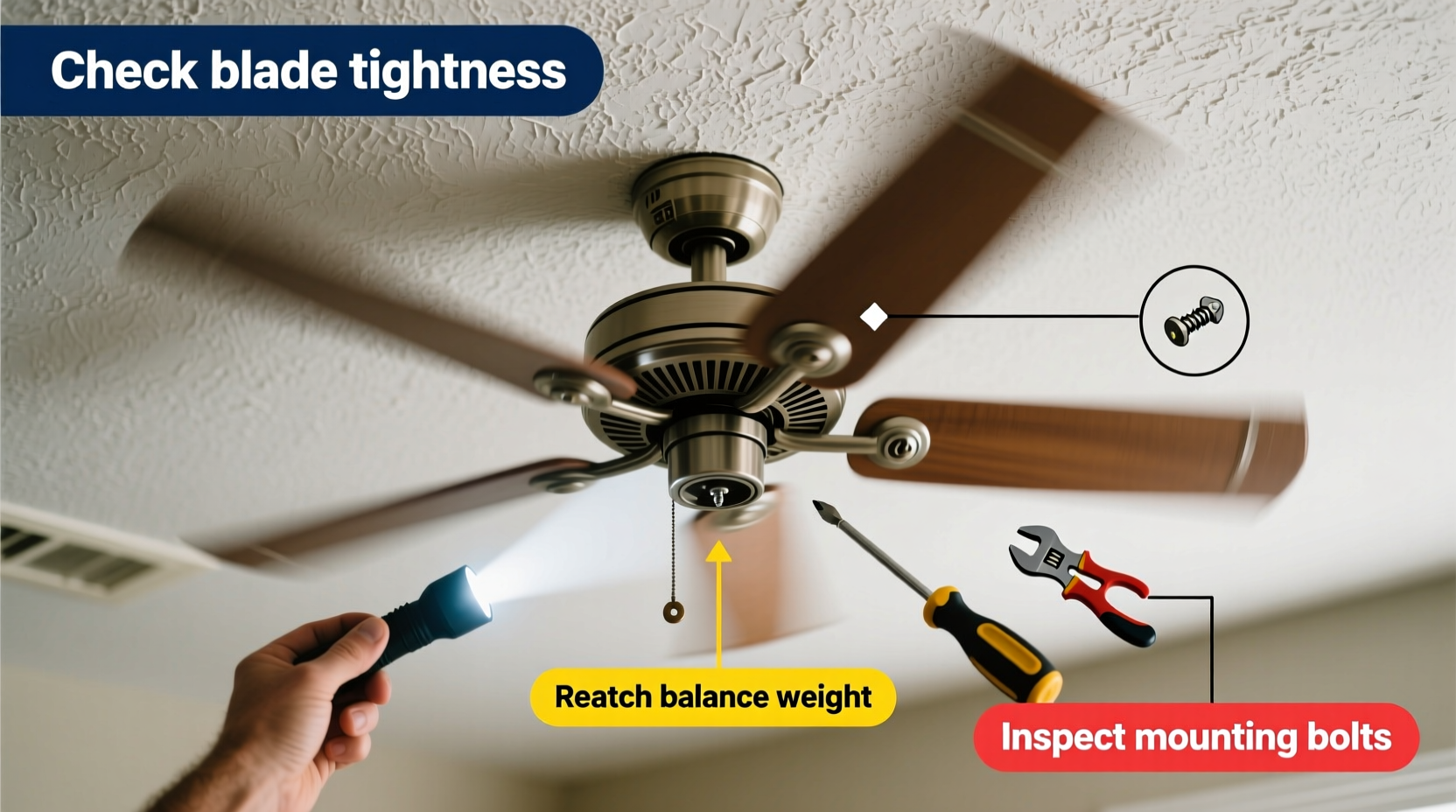
Wobbling isn’t usually a sign of a broken fan—it’s typically due to minor physical imbalances. Even a fraction of an ounce difference in blade weight can cause noticeable shaking when spinning at high speed. Here are the most frequent culprits:
- Uneven blade pitch: If one blade is angled differently than the others, airflow resistance becomes uneven, creating wobble.
- Dust accumulation: Over time, dust builds up more on one side, adding slight but impactful weight differences.
- Loose mounting hardware: Screws connecting the fan to the ceiling bracket or blades to the motor housing can loosen with vibration.
- Bent or warped blades: Wood can warp with humidity; plastic or metal blades can bend during cleaning or installation.
- Manufacturing inconsistencies: Rarely, fans leave the factory with slightly mismatched blade weights.
- Improper installation: A fan mounted on an unstable electrical box or not securely fastened will vibrate excessively.
Before attempting to balance the blades, always check that the fan is securely attached. Turn off the power at the circuit breaker, then gently tug on the fan body. There should be no movement at the junction between the fan and ceiling. If it shifts, tighten all mounting screws and ensure the electrical box is rated for ceiling fan use—regular light fixture boxes aren’t designed to handle dynamic loads.
Step-by-Step Guide to Balancing Your Ceiling Fan
Balancing a ceiling fan doesn’t require special skills—just patience and attention to detail. Follow this timeline-tested process to eliminate wobble in under 15 minutes.
- Turn off the power: Switch off the fan at the wall control and the circuit breaker to prevent accidental startup.
- Clean the blades: Use a microfiber cloth and mild cleaner to remove dust from both sides of each blade. Uneven grime can contribute to imbalance.
- Check blade alignment: Place a ruler or yardstick vertically against the tip of one blade. Rotate the fan by hand and observe the gap between the blade tip and the ruler. Repeat for all blades. If one blade is closer or farther, adjust its mounting screw slightly to realign.
- Inspect for damage: Look for warping, cracks, or bends. Replace damaged blades if necessary. Using mismatched replacement blades can introduce new imbalances.
- Use a balancing kit: Most kits include a clip-on weight and adhesive weights. Start by clipping the test weight to the center of one blade. Turn the power back on and run the fan at high speed.
- Test each blade: Move the test weight to each subsequent blade, running the fan after each move. Note which position reduces wobble the most.
- Apply permanent weight: Once you identify the best-performing blade, attach the small adhesive weight to the top center of that blade’s midpoint. Remove the test clip.
- Re-evaluate: Run the fan again. If wobble persists, repeat the process with a second weight or try shifting the position slightly forward or backward on the blade.
This method works because the added weight counteracts the heavier side of the fan, restoring rotational equilibrium. It’s similar to how tire weights correct imbalance in car wheels.
Do’s and Don’ts When Balancing a Ceiling Fan
| Do’s | Don’ts |
|---|---|
| Do clean blades thoroughly before balancing. | Don’t ignore loose screws or mounting issues. |
| Do use a balancing kit designed for ceiling fans. | Don’t use tape or makeshift weights that could detach. |
| Do check blade alignment with a straight edge. | Don’t operate the fan with visible blade damage. |
| Do turn off power before adjustments. | Don’t skip testing each blade position systematically. |
| Do recheck balance every 6–12 months. | Don’t overtighten blade screws—this can crack wood or plastic. |
Real Example: Fixing a Living Room Fan in 12 Minutes
Sarah, a homeowner in Austin, noticed her living room ceiling fan started wobbling after spring cleaning. She had wiped each blade but hadn’t dried them evenly, and one wooden blade absorbed more moisture than the others, temporarily increasing its weight. After ruling out loose hardware, she used a $7 balancing kit from a hardware store. Following the clip-test method, she discovered that placing a 3-gram weight on the third blade eliminated 95% of the wobble. The entire process—including drying the blades, testing, and applying the weight—took just 12 minutes. “I was shocked how simple it was,” she said. “Now it runs as quietly as the day it was installed.”
“Most ceiling fan wobbles stem from minor imbalances that homeowners can fix themselves. Proper balancing extends the life of the motor and reduces wear on the mounting system.” — James Rutherford, HVAC Technician with 18 years of residential experience
Alternative Method: The Coin Test (No Kit Needed)
If you don’t have a balancing kit, you can improvise using coins and duct tape. While less precise, this method can still yield good results in a pinch.
- Turn off the fan and gather a few pennies (each weighs about 2.5 grams).
- Tape one penny to the top center of a blade, near the middle.
- Turn on the fan and observe the wobble.
- Repeat with each blade, noting which position improves stability.
- Once identified, add additional coins (up to three) until vibration is minimized.
- Secure the coins permanently with strong double-sided tape or epoxy once satisfied.
This approach lacks the sleekness of commercial kits but proves effective for temporary fixes or budget-conscious solutions. Just ensure taped objects are secure and won’t fly off during operation.
Preventative Maintenance Checklist
To avoid recurring wobble, incorporate these habits into your home maintenance routine:
- ✅ Clean fan blades every 1–2 months with a dry or slightly damp cloth.
- ✅ Inspect mounting screws and blade fasteners twice a year.
- ✅ Check blade alignment annually using a ruler or blade alignment gauge.
- ✅ Operate the fan at medium or high speed regularly to detect early wobble.
- ✅ Store balancing weights or kits with other household tools for quick access.
- ✅ Ensure the ceiling electrical box is fan-rated, especially in older homes.
Regular care prevents dust buildup and catches small issues before they escalate. A well-maintained fan can last 10–15 years or more with consistent performance.
Frequently Asked Questions
Can a wobbling ceiling fan be dangerous?
While minor wobble isn’t an immediate hazard, prolonged vibration can loosen mounting hardware, potentially causing the fan to detach. In extreme cases, this poses a falling risk. Additionally, constant shaking wears out motor bearings faster, increasing long-term repair costs. Address wobble promptly to ensure safety and longevity.
Do I need a special tool to balance a ceiling fan?
No. While balancing kits (available for under $10) make the process easier and more precise, you can use household items like coins and tape. The key is systematic testing—not the tool itself. Many kits include a clip and adhesive weights, offering a cleaner, more permanent solution.
What if balancing doesn’t stop the wobble?
If the fan still shakes after proper balancing, the issue may be structural. Check that the mounting bracket is secure and the electrical box is rated for ceiling fans. If the rod or canopy wobbles when you push the fan sideways, the problem lies in installation, not blade balance. In such cases, consult a licensed electrician to reinforce the support structure.
Final Thoughts: Smooth Rotation Starts Today
A wobbling ceiling fan is more than just a nuisance—it’s a fixable symptom of imbalance. With a few basic tools and less than 15 minutes of focused effort, you can restore quiet, efficient operation. Whether you use a commercial balancing kit or a clever DIY workaround, the principles remain the same: identify the heavy blade, counteract it with targeted weight, and verify results.
Understanding the mechanics behind fan wobble transforms what seems like a complex problem into a manageable task. Regular maintenance not only improves comfort but also protects your investment. Now that you know how simple it is, don’t wait for the wobble to worsen. Take action tonight—your peaceful, cool evenings depend on it.




 浙公网安备
33010002000092号
浙公网安备
33010002000092号 浙B2-20120091-4
Comments
No comments yet. Why don't you start the discussion?