
A ceiling fan should operate smoothly and quietly, providing a gentle breeze without shaking the room. When it begins to wobble, not only does it become annoying, but it can also pose safety risks. Excessive vibration may loosen mounting hardware, damage the ceiling structure, or even cause the fan to fall in extreme cases. Understanding the root causes of wobbling and knowing how to correct it properly ensures both comfort and safety. This guide breaks down the most common reasons for ceiling fan instability and provides actionable steps to fix it—safely and effectively.
Common Causes of Ceiling Fan Wobbling
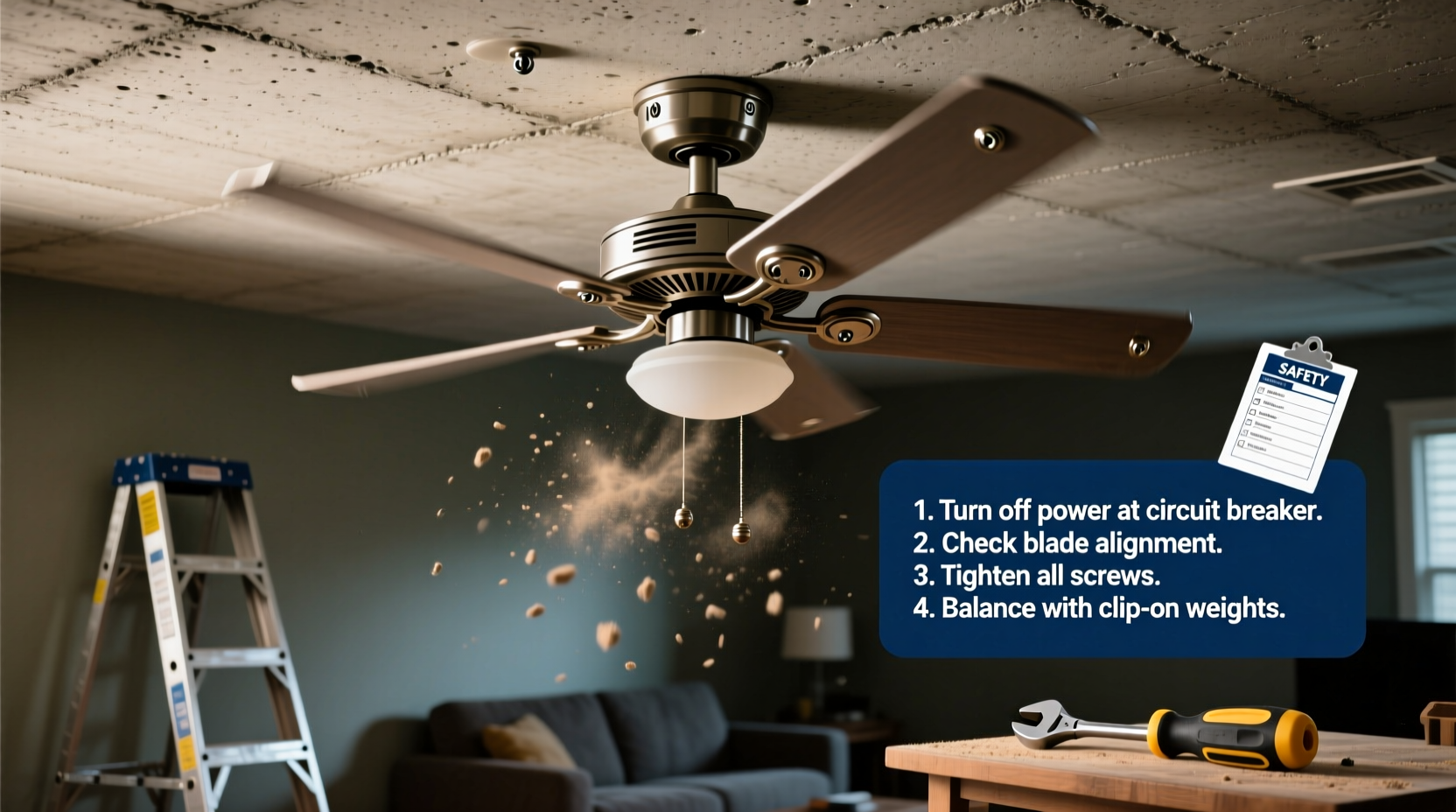
Wobbling isn’t just an aesthetic issue—it’s a symptom of underlying mechanical or structural problems. Identifying the cause is the first step toward a lasting solution.
- Unbalanced blades: The most frequent culprit. Dust buildup, warping, or manufacturing inconsistencies can throw off blade balance.
- Loose mounting hardware: Over time, vibrations can loosen the screws securing the fan to the ceiling bracket or within the housing.
- Misaligned or bent blades: If one blade sits at a different angle than the others due to impact or improper installation, it creates uneven airflow and imbalance.
- Faulty or worn-down hanger bracket: The metal bracket that connects the fan to the electrical box must be secure and rated for fan support. A weak or improperly installed bracket leads to instability.
- Damaged or warped blades: Moisture exposure, age, or physical damage can warp wooden or plastic blades, making smooth rotation impossible.
- Incorrect installation: Fans mounted on non-fan-rated electrical boxes or without proper alignment will wobble from day one.
Step-by-Step Guide to Stabilize a Wobbling Ceiling Fan
Fixing a wobbling fan doesn’t require professional help in most cases. With basic tools and careful attention, you can restore smooth operation in under an hour.
- Turn off the power: Locate the correct circuit breaker and switch it off. Confirm the fan cannot be turned on using the wall switch or remote.
- Inspect for visible issues: Look for loose screws, cracked blades, or signs of misalignment. Gently wiggle the fan body to test for movement at the mount.
- Tighten all screws: Use a screwdriver or hex key to tighten:
- Screws connecting blades to blade irons
- Blade iron-to-motor housing screws
- Canopy screws securing the fan to the ceiling
- Mounting screws inside the canopy or base
- Check blade alignment: Use a ruler or blade alignment gauge. Hold it vertically against the tip of one blade and measure the distance to the ceiling. Repeat for each blade. They should all match within 1/8 inch.
- Clean the blades: Dust and grime add uneven weight. Wipe each blade thoroughly with a damp cloth and dry completely.
- Test for balance: Turn the power back on and run the fan at high speed. Observe the wobble. If it persists, proceed to balancing.
- Use a balancing kit: Most fans come with a clip-on balancing weight. Attach it to the center of one blade and run the fan. Move it from blade to blade until wobble is minimized. Once found, affix the permanent weight provided in the kit to that blade.
- Recheck mounting security: After adjustments, ensure the fan still feels rigid when gently tugged. If there’s play at the ceiling, the hanger bracket or electrical box may need reinforcement.
Do’s and Don’ts When Fixing a Wobbly Fan
| Do’s | Don’ts |
|---|---|
| Turn off power before working | Ignore persistent wobbling after tightening |
| Use a balancing kit designed for ceiling fans | Over-tighten screws, which can strip threads |
| Check blade alignment with a gauge or ruler | Assume all wobbling is due to unbalanced blades |
| Inspect the ceiling electrical box for stability | Continue running a severely wobbling fan |
| Clean blades regularly to prevent buildup | Use household cleaners that may damage finish |
Expert Insight: Structural Safety Matters
While blade balance is often the focus, professionals emphasize that structural integrity is equally critical. A fan hanging from an inadequate electrical box is a hidden hazard.
“Ceiling fans generate dynamic loads—constant motion multiplies stress on mounting points. Never install a fan on a standard light fixture box. It must be secured to a fan-rated brace or joist.” — Carlos Mendez, Master Electrician & Home Safety Consultant
Fan-rated electrical boxes are specifically designed to handle rotational forces and typically have internal braces or are attached directly to ceiling joists. If your fan wobbles despite balanced blades and tight hardware, the issue may lie here. Replacing the box requires cutting into the ceiling, so consider hiring a licensed electrician if you’re unsure.
Real Example: The Case of the Shaking Living Room Fan
Martha, a homeowner in Portland, noticed her living room ceiling fan developed a noticeable shake over several weeks. She tightened screws and cleaned the blades, but the wobble returned. Fearing it might fall, she stopped using it entirely.
She called an electrician who discovered the original installer had used a lightweight plastic electrical box meant for lights, not fans. The constant vibration had loosened the screws anchoring the fan to the box, and the box itself was pulling away from the joist.
The solution? The electrician replaced the box with a metal fan-rated retrofit brace anchored securely to the joist. After reinstallation and blade balancing, the fan ran silently. Martha now checks her fans every six months during seasonal cleaning.
This case underscores a vital point: surface-level fixes won’t solve deeper structural flaws.
Essential Checklist for Safe Fan Maintenance
Use this checklist biannually—or whenever you notice unusual noise or movement—to keep your ceiling fans operating safely and efficiently.
- ✅ Turn off power at the breaker
- ✅ Inspect for loose screws (blades, housing, canopy)
- ✅ Clean dust and debris from all blades
- ✅ Check blade alignment using a ruler or gauge
- ✅ Test for wobble at high speed
- ✅ Apply balancing weights if needed
- ✅ Gently tug the fan to check ceiling mount stability
- ✅ Listen for grinding or unusual motor noises
- ✅ Verify the electrical box is fan-rated (if accessible)
- ✅ Schedule professional inspection if wobble persists
Frequently Asked Questions
Is a slightly wobbling ceiling fan dangerous?
Minor wobbling (less than 1/8 inch) is common and usually not dangerous if the fan is properly installed. However, any increase in wobble over time should be investigated. Persistent or worsening vibration can lead to hardware failure, ceiling damage, or detachment in extreme cases.
Can I balance a ceiling fan without a balancing kit?
You can perform a DIY version using a clothespin and small weights (like coins). Clip the clothespin to the middle of one blade and run the fan. If wobble decreases, tape a coin to that blade and remove the clothespin. Test again. Repeat for other blades until the smoothest operation is achieved. Then permanently attach a similar weight. However, factory balancing kits are more precise and recommended.
How often should I maintain my ceiling fan?
Inspect and clean your ceiling fans at least twice a year—before summer and winter seasons. Homes in dusty environments or with pets may benefit from quarterly checks. Immediate inspection is warranted if you notice noise, wobbling, or reduced performance.
Preventing Future Wobble: Long-Term Tips
Once your fan is stable, maintaining that condition requires ongoing attention.
- Regular cleaning: Dust accumulation alters blade weight distribution. Wipe blades monthly with a microfiber cloth.
- Seasonal inspections: Before heavy usage periods, verify all components are secure.
- Avoid moisture exposure: In bathrooms or covered patios, ensure fans are rated for damp or wet locations to prevent warping.
- Upgrade old fans: Fans over 10 years old may have worn bearings or outdated mounts. Consider replacing them with modern, low-vibration models.
- Use LED-compatible controls: Some wobble complaints stem from incompatible dimmers or remotes causing motor stutter. Ensure your fan’s control system matches its specifications.
“The best repair is the one you never have to make. Regular maintenance catches small issues before they become hazards.” — Lena Pruitt, Home Appliance Technician
Conclusion: Take Action for Safety and Comfort
A wobbling ceiling fan is more than a nuisance—it’s a warning sign. Whether the cause is something simple like dust buildup or something serious like an unsupported electrical box, addressing it promptly protects your home and family. By following the steps outlined here, you can diagnose the issue, apply effective fixes, and prevent future problems.
Don’t ignore the shake. Take a few minutes today to inspect your fans, tighten what’s loose, and balance what’s uneven. Your peace of mind—and the quiet hum of a well-functioning fan—is worth the effort.




 浙公网安备
33010002000092号
浙公网安备
33010002000092号 浙B2-20120091-4
Comments
No comments yet. Why don't you start the discussion?