
Panic attacks in children can be deeply unsettling—for both the child and the parent. One moment, your child might be playing or doing homework; the next, they’re gasping for breath, clutching their chest, or sobbing uncontrollably. While panic attacks are not uncommon, especially in today’s high-pressure environments, they should never be dismissed as mere overreactions. Understanding the root causes and knowing how to respond effectively can make a profound difference in your child’s emotional well-being and long-term mental health.
Understanding Panic Attacks in Children
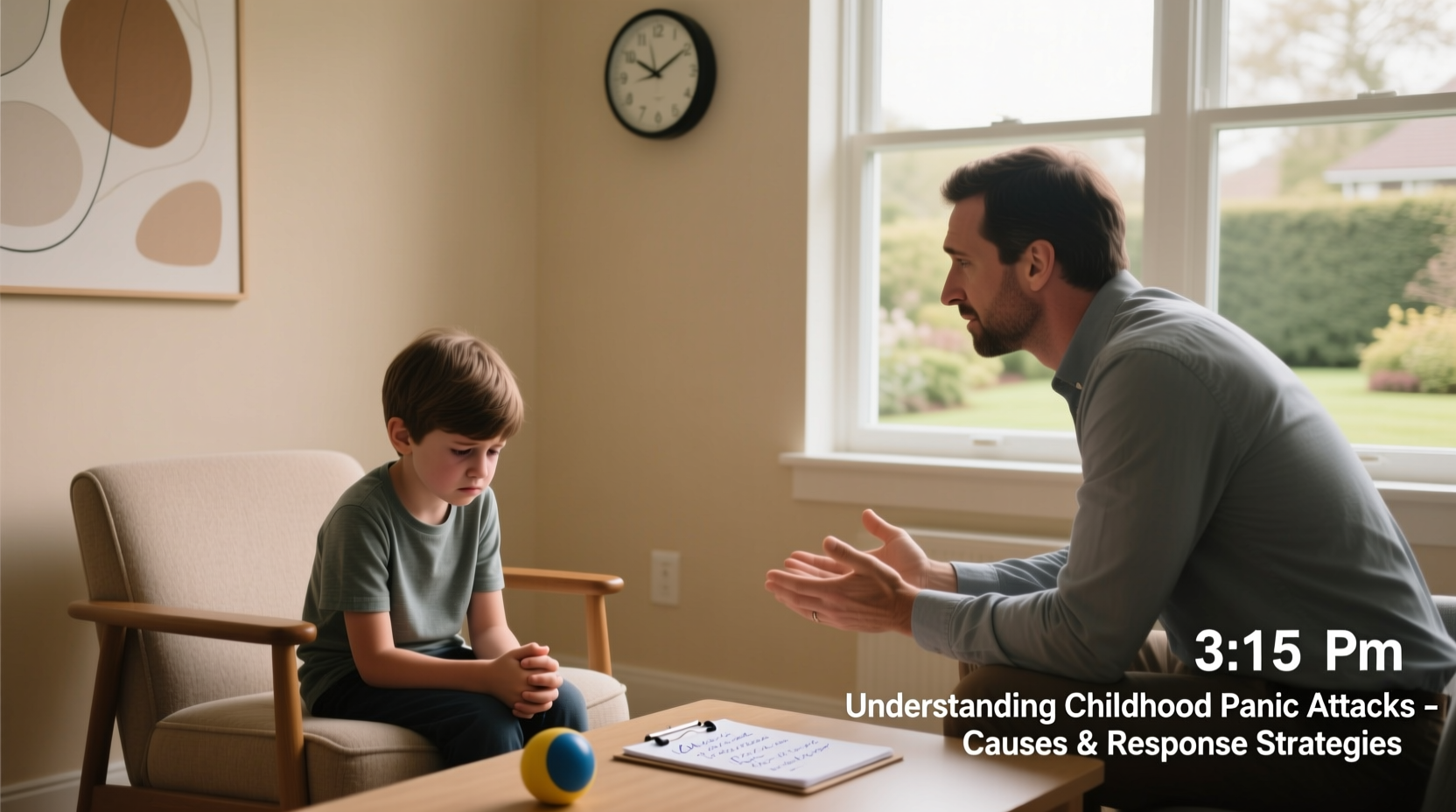
A panic attack is a sudden surge of intense fear or discomfort that peaks within minutes. It often occurs without an obvious trigger and can include physical symptoms such as rapid heartbeat, sweating, trembling, shortness of breath, dizziness, nausea, and a feeling of impending doom. In children, these episodes may manifest differently than in adults—sometimes appearing as extreme clinginess, tantrums, or complaints of stomachaches or headaches.
It's important to distinguish between isolated panic episodes and panic disorder. While one panic attack doesn’t necessarily mean a disorder, repeated attacks—especially when accompanied by persistent worry about future attacks—may signal a more serious condition requiring professional attention.
“Panic attacks in children are often misunderstood as behavioral issues, but they are real physiological responses to perceived threats, even if those threats aren’t visible.” — Dr. Lena Torres, Child Psychologist
Common Causes of Panic Attacks in Children
Panic attacks rarely stem from a single cause. Instead, they typically arise from a combination of biological, psychological, and environmental factors. Recognizing these contributors is the first step toward helping your child regain control.
- Genetic predisposition: Children with a family history of anxiety disorders or panic attacks are at higher risk.
- Stressful life events: Moving schools, parental divorce, bullying, or the loss of a loved one can trigger acute anxiety.
- School pressure: High academic expectations, standardized testing, or social challenges like peer rejection can overwhelm a child’s coping mechanisms.
- Overstimulation: Excessive screen time, chaotic home environments, or sensory overload can contribute to nervous system dysregulation.
- Underlying anxiety disorders: Conditions like generalized anxiety disorder (GAD), social anxiety, or obsessive-compulsive disorder (OCD) often coexist with panic symptoms.
- Medical conditions: Asthma, heart arrhythmias, or thyroid imbalances can mimic or exacerbate panic symptoms.
What to Do During a Panic Attack
When your child is in the midst of a panic attack, your response can either escalate or de-escalate the situation. The goal is to create safety, reduce stimulation, and guide them back to calm.
- Stay calm yourself. Children mirror adult emotions. If you panic, it reinforces their fear.
- Speak in a soft, reassuring tone. Avoid phrases like “Calm down” or “It’s all in your head,” which can feel dismissive. Instead, say, “I’m here. You’re safe. This will pass.”
- Guide breathing slowly. Help them inhale for four counts, hold for four, exhale for six. Repeat for several cycles. This activates the parasympathetic nervous system and reduces hyperventilation.
- Use grounding techniques. Ask them to name five things they can see, four they can touch, three they can hear, two they can smell, and one they can taste. This redirects focus from internal fear to external reality.
- Remove them from overwhelming environments. If in public, find a quiet corner. At school, request a visit to the nurse or counselor.
Mini Case Study: Emma, Age 10
Emma began experiencing panic attacks before morning announcements at school. Her mother noticed she’d complain of stomach pain every Monday. After tracking patterns, they realized Emma feared being called on during class presentations. With support from her teacher, Emma practiced small-group speaking exercises and used a breathing app before stressful moments. Within six weeks, her attacks decreased significantly. The key was identifying the specific trigger and addressing it with practical tools—not avoiding school altogether.
Long-Term Strategies to Support Your Child
While managing acute episodes is essential, long-term recovery involves building resilience, reducing anxiety triggers, and fostering emotional literacy.
| Strategy | Action Steps | Avoid |
|---|---|---|
| Therapy | Seek cognitive behavioral therapy (CBT), proven effective for childhood anxiety. | Delaying treatment due to stigma or hope it will \"just go away.\" |
| Routine | Maintain consistent sleep, meals, and daily structure to reduce uncertainty. | Irregular schedules or last-minute changes without warning. |
| Communication | Encourage open conversations about feelings without judgment. | Minimizing emotions (“You’re overreacting”) or forcing talk prematurely. |
| Lifestyle | Promote physical activity, limit caffeine, and reduce screen time before bed. | Allowing excessive energy drinks or late-night gaming sessions. |
Checklist: Supporting Your Child After a Panic Attack
- ✔ Reassure them they are safe and not “broken” or “crazy.”
- ✔ Debrief gently when calm: “What did you notice happening in your body?”
- ✔ Identify any possible triggers without assigning blame.
- ✔ Schedule a follow-up with pediatrician or mental health professional.
- ✔ Introduce relaxation practices like mindfulness or yoga.
- ✔ Collaborate with teachers to ensure school accommodations if needed.
Frequently Asked Questions
Can young children really have panic attacks?
Yes. While panic disorder is more commonly diagnosed in adolescents, children as young as 5 or 6 can experience panic attacks. Symptoms may be less verbal and more behavioral—such as freezing, screaming, or refusing to move—making them harder to recognize.
Should I keep my child home from school if they’re having panic attacks?
Temporary breaks may be necessary during acute phases, but prolonged avoidance can reinforce fear. Work with a therapist and school staff to develop a gradual re-entry plan. The goal is to build confidence, not escape anxiety.
Are panic attacks dangerous?
No. While extremely distressing, panic attacks are not physically harmful. However, frequent attacks can impact quality of life, academic performance, and self-esteem. Early intervention prevents escalation into chronic anxiety.
Conclusion: Taking Action Matters
Witnessing your child endure a panic attack can leave you feeling helpless. But knowledge is power. By understanding the causes—be it stress, genetics, or environmental pressures—you gain the ability to respond with empathy and strategy. Immediate calming techniques provide relief in the moment, while long-term support through therapy, routine, and open communication builds lasting resilience.
You don’t have to navigate this alone. Pediatricians, child psychologists, and school counselors are valuable allies. The most important thing you can do is validate your child’s experience, stay present, and take consistent steps toward healing.




 浙公网安备
33010002000092号
浙公网安备
33010002000092号 浙B2-20120091-4
Comments
No comments yet. Why don't you start the discussion?