
Anger in children can be confusing, overwhelming, and even frightening—for both the child and the parent. It’s not uncommon for parents to feel helpless when faced with frequent tantrums, aggressive outbursts, or intense emotional reactions. But behind every angry behavior is a message: a signal that something isn’t working for the child. Understanding the roots of childhood anger is the first step toward meaningful support, emotional growth, and stronger family connections.
The Hidden Causes Behind Childhood Anger
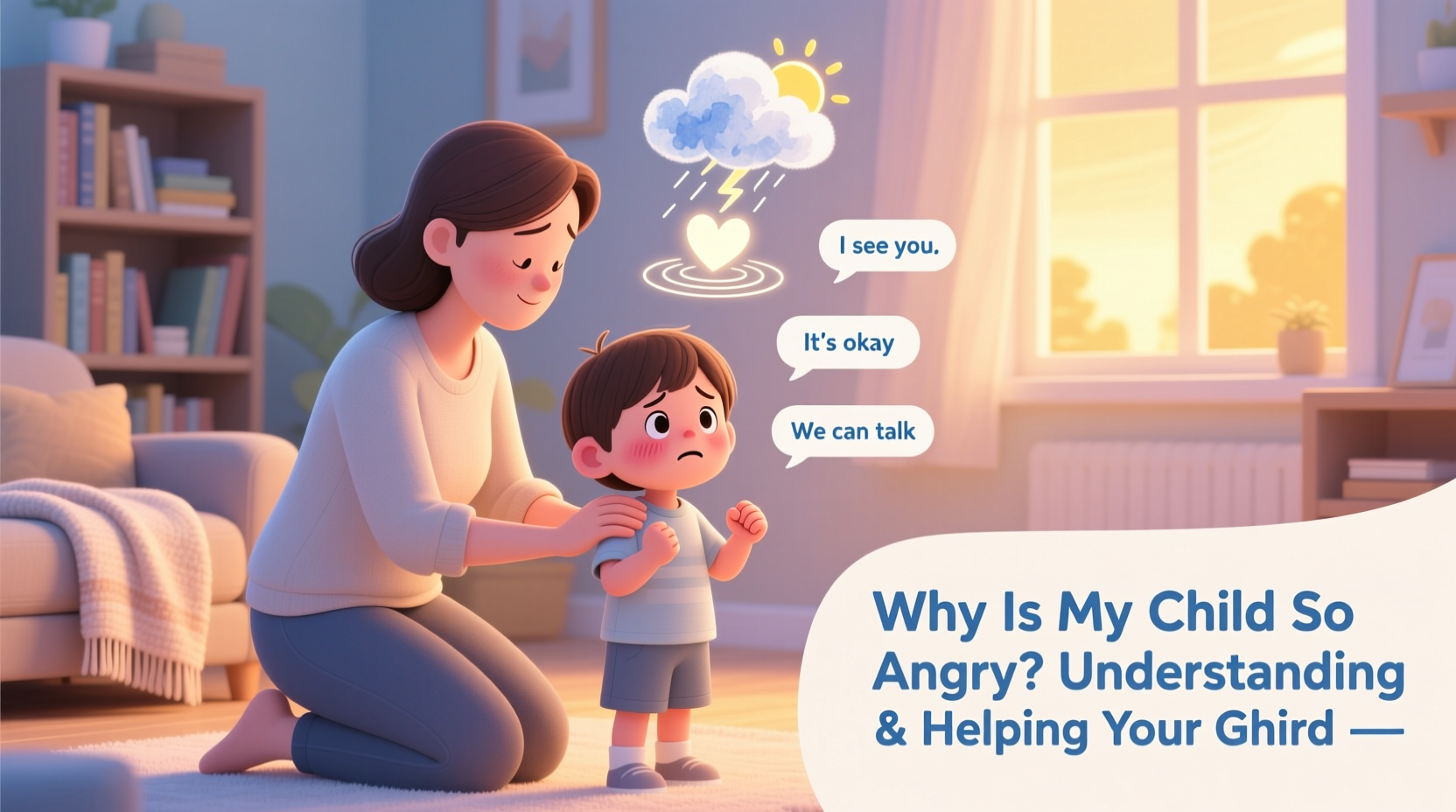
Children don’t typically become angry without reason. While it may appear sudden or disproportionate, anger is often a secondary emotion—masking deeper feelings like fear, frustration, helplessness, or sadness. Young children lack the vocabulary and emotional regulation skills to express complex emotions directly, so anger becomes their loudest voice.
Common underlying causes include:
- Unmet needs: Hunger, fatigue, sensory overload, or lack of attention.
- Developmental challenges: Difficulty with transitions, impulse control, or communication.
- Emotional stressors: Family conflict, parental separation, bullying, or academic pressure.
- Trauma or anxiety: Past experiences or undiagnosed mental health concerns like ADHD, autism, or anxiety disorders.
- Mimicking behavior: Children often mirror how adults manage their own emotions.
Recognizing that anger is rarely about defiance—and more about distress—shifts the focus from punishment to empathy.
How Emotions Develop in Children
From birth, children experience emotions intensely but lack the brain development needed to regulate them. The prefrontal cortex—the area responsible for decision-making, self-control, and emotional regulation—doesn’t fully mature until the mid-20s. This means expecting a 5-year-old to “calm down” instantly is like asking someone to run a marathon without training.
In early childhood, emotional regulation is co-regulated. That means children depend on caregivers to model calmness, validate feelings, and guide responses. When a parent responds with patience during an outburst, they're not just managing behavior—they're literally helping reshape the child’s developing brain.
“Children don’t act out because they want to—they act out because they can’t do any better in that moment. Our job isn’t to fix the behavior immediately, but to understand what it’s telling us.” — Dr. Dan Siegel, Clinical Professor of Psychiatry, UCLA
Practical Strategies to Support Your Child
Helping an angry child isn’t about eliminating anger—it’s about teaching healthy ways to experience and express it. Below are evidence-based approaches to foster emotional intelligence and reduce explosive episodes.
1. Validate Before Correcting
When a child is overwhelmed, logic won’t penetrate. Start by acknowledging their emotion: “I see you’re really mad right now,” or “It makes sense you’re upset—you wanted to keep playing.” Validation doesn’t mean agreement; it means recognition. This reduces emotional intensity and opens the door to problem-solving.
2. Create Predictable Routines
Uncertainty fuels anxiety, which often erupts as anger. Consistent daily routines—especially around sleep, meals, and transitions—provide a sense of safety. Use visual schedules for younger children to reduce resistance during changes.
3. Teach Emotional Vocabulary
Help children name their feelings with simple tools like emotion charts or feeling wheels. Ask questions like, “Is it frustration? Disappointment? Overwhelm?” Naming emotions helps contain them.
4. Model Healthy Emotional Expression
Children learn emotional regulation by watching adults. If you say, “I’m feeling frustrated too, so I’m going to take three deep breaths,” you demonstrate coping in real time. Avoid suppressing your emotions in front of them—this teaches avoidance, not management.
5. Set Clear, Calm Boundaries
While empathy is essential, boundaries are equally important. A child can feel angry without being allowed to hit, throw, or scream at others. Say, “I won’t let you hurt anyone. You can stomp your feet or squeeze this ball instead.”
Action Checklist: Supporting an Angry Child
Use this checklist daily to build emotional resilience:
- Observe patterns: Note when and where anger occurs (time of day, triggers, environment).
- Respond with empathy before enforcing consequences.
- Practice “name it to tame it”: Help your child label their emotions.
- Teach calming techniques: Deep breathing, counting, or using a fidget tool.
- Review the day together: Ask, “What was hard today? What helped you feel better?”
- Limit screen time before bed—overstimulation disrupts emotional regulation.
- Schedule one-on-one connection time, even if only 10 minutes a day.
When to Seek Professional Support
Occasional anger is normal. But if your child’s outbursts are frequent, prolonged, violent, or interfere with school, friendships, or family life, professional evaluation may be necessary. Persistent anger can signal:
- Anxiety or depression
- ADHD or sensory processing issues
- Oppositional Defiant Disorder (ODD)
- Undiagnosed learning disabilities
- History of trauma or neglect
A child psychologist, therapist, or developmental pediatrician can assess underlying conditions and recommend targeted interventions such as play therapy, cognitive behavioral therapy (CBT), or family counseling.
Mini Case Study: Liam, Age 6
Liam began having violent meltdowns after school—kicking walls, screaming, refusing homework. His parents initially responded with timeouts and scolding, which only escalated his behavior. After consulting a child therapist, they discovered Liam was overwhelmed by sensory input at school and struggled to transition from structured environments to home. With a new routine—including 15 minutes of quiet play after school, a visual schedule, and weekly sessions with a counselor—Liam’s outbursts decreased by 80% within two months. The key wasn’t stricter discipline, but understanding his unmet needs.
Do’s and Don’ts of Responding to Childhood Anger
| Do | Don't |
|---|---|
| Stay calm and grounded during outbursts | React with yelling or physical punishment |
| Validate feelings before correcting behavior | Say “You’re fine” or “Stop crying” |
| Teach calming strategies in neutral moments | Try to reason during a meltdown |
| Establish consistent routines and expectations | Give inconsistent consequences or threats |
| Seek professional help if patterns persist | Assume the child will “grow out of it” without support |
Frequently Asked Questions
Is my child’s anger a sign of bad parenting?
No. Anger is a natural human emotion, and all children experience it. How you respond matters far more than the presence of anger itself. Even well-supported children have emotional outbursts—especially under stress. Focus on consistency, empathy, and connection rather than perfection.
Should I punish my child for being angry?
Punishment for feeling angry can teach suppression, not regulation. However, actions that harm others or property must be addressed calmly and firmly. Separate the emotion from the behavior: “It’s okay to feel mad. It’s not okay to hit. Let’s find another way to show it.”
At what age should children stop having tantrums?
Most children begin reducing tantrums between ages 3 and 5 as language and self-regulation improve. Occasional outbursts up to age 7 can still be normal, especially during big changes. Frequent, severe tantrums beyond age 8 warrant evaluation, particularly if they include self-harm or destruction.
Conclusion: Building a Foundation of Emotional Safety
Understanding why your child is angry transforms frustration into opportunity. Each outburst is a chance to teach, connect, and guide—not just correct. By responding with compassion, consistency, and curiosity, you help your child develop lifelong emotional skills. Remember: you’re not failing when your child is angry. You’re succeeding when you stay present, patient, and proactive.




 浙公网安备
33010002000092号
浙公网安备
33010002000092号 浙B2-20120091-4
Comments
No comments yet. Why don't you start the discussion?