
A beautifully decorated Christmas tree should stand tall and proud at the center of your holiday celebrations. But if it’s tilting toward the wall or threatening to topple over with every footstep, something has gone wrong. A leaning tree isn’t just an eyesore—it can be a safety hazard, especially in homes with pets or small children. The good news? Most causes of instability are fixable with simple tools and a bit of know-how.
This guide dives into the common reasons behind a leaning Christmas tree, from improper setup to uneven growth patterns, and provides actionable solutions to secure its base and keep it standing straight through the season. Whether you’re dealing with a fresh-cut fir or a pre-lit artificial model, these tips will help you maintain balance, safety, and festive cheer.
Common Causes of a Leaning Christmas Tree
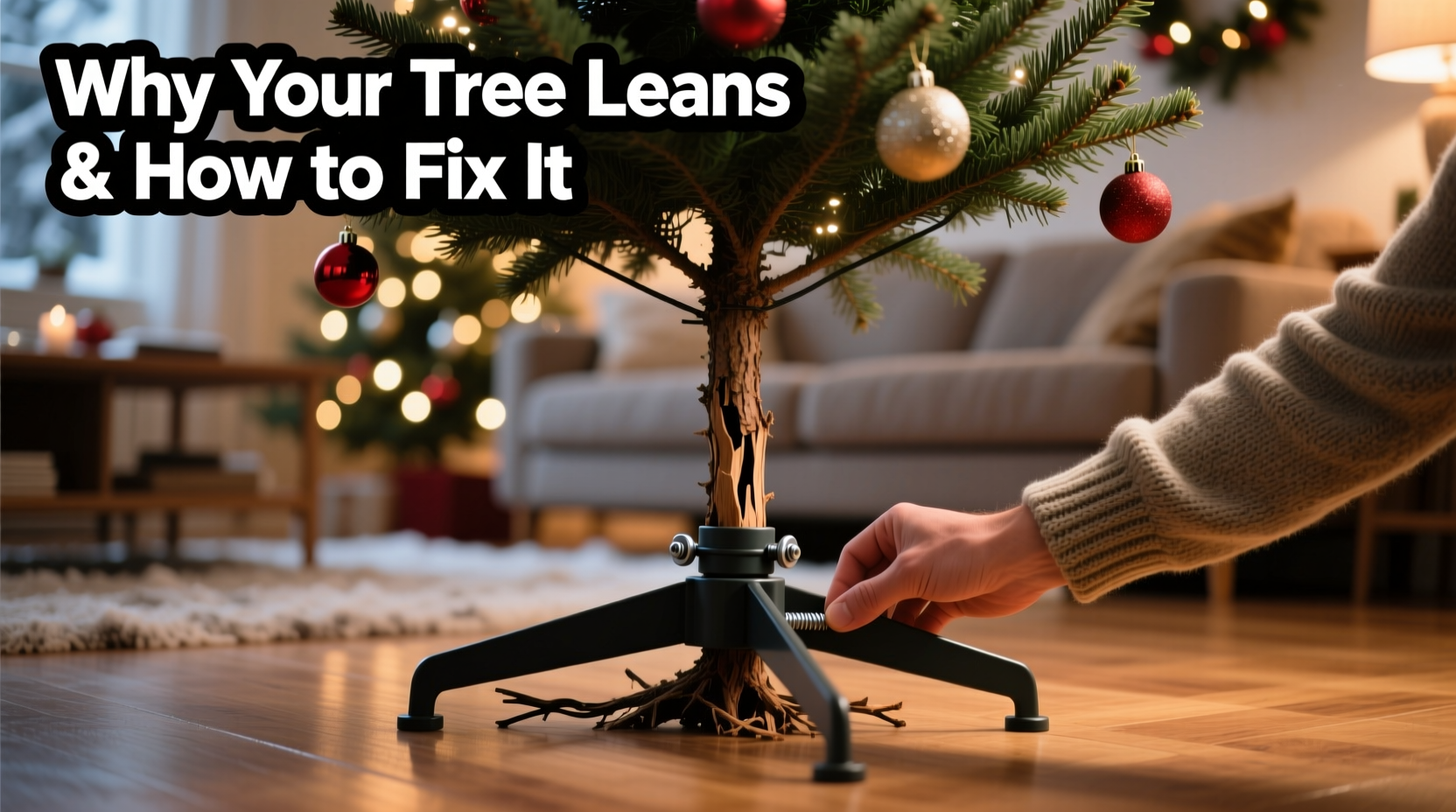
A Christmas tree doesn’t lean without reason. Identifying the root cause is the first step toward fixing it. Below are the most frequent culprits behind an unsteady tree:
- Improperly balanced trunk cut: If the bottom of the trunk isn’t cut straight, the tree won’t sit evenly in the stand.
- Unlevel floor: Even slight inclines in flooring—common in older homes—can cause a tree to drift over time.
- Over-decorating one side: Heavy ornaments, lights, or garlands concentrated on one side create uneven weight distribution.
- Inadequate stand grip: Many standard stands lack sufficient screw tension or have worn-out mechanisms that fail to hold the trunk securely.
- Artificial tree frame misalignment: For artificial trees, bent or improperly assembled pole sections can lead to structural tilt.
- Water absorption imbalance (real trees): A freshly cut tree may absorb water unevenly if the base isn’t freshly trimmed, causing one side to swell faster and shift position.
How to Stabilize a Real Christmas Tree Base
Real trees bring unmatched fragrance and authenticity to the holidays, but their organic nature means they require more attention to remain upright. Here’s how to ensure your live tree stays centered and secure:
- Re-trim the trunk base: Remove at least half an inch from the bottom of the trunk with a horizontal cut. This opens the wood’s pores for better water absorption and ensures flat contact with the stand’s base.
- Choose the right stand: Opt for a stand rated for your tree’s height and trunk diameter. Larger trees need heavy-duty stands with multiple gripping screws (at least three).
- Center the trunk precisely: Place the tree in the stand and adjust until it’s perfectly vertical. Use a small level tool against the trunk to verify alignment before tightening.
- Tighten all screws gradually: Don’t fully tighten one screw at a time. Instead, snug each one in sequence to avoid pushing the trunk off-center.
- Check water levels daily: A dry stand reduces friction and allows movement. Keep the reservoir full to maintain weight and prevent shifting.
If the tree still leans after these steps, consider temporarily removing decorations and rotating the tree slightly within the stand to find a more stable seating position. Sometimes, natural trunk irregularities mean one orientation simply fits better.
Step-by-Step: Correcting a Leaning Live Tree
- Remove all ornaments and lights to reduce weight.
- Loosen the stand’s screws and gently lift the tree out.
- Inspect the trunk base—if it’s uneven, make a fresh horizontal cut.
- Examine the stand for debris or damage; clean the interior if needed.
- Reinsert the tree, align it vertically using a level, and tighten screws evenly.
- Fill the stand with water and monitor for 24 hours before re-decorating.
Solutions for Artificial Tree Instability
Artificial trees offer convenience and reuse, but their segmented poles and folding bases can introduce alignment issues. Unlike real trees, their problems often stem from assembly errors rather than organic changes.
The central pole may be bent, sections inserted backward, or the base legs improperly extended. Some models use a single central bolt that loosens over time, especially if the tree is bumped frequently.
“Even high-end artificial trees can develop wobble if the central support isn’t torqued correctly. It only takes one loose connection to throw off the entire structure.” — Marcus Bell, Holiday Display Technician with 12 years of experience
Stabilizing an Artificial Tree: A Checklist
- Disassemble and inspect each pole section for bends or warping.
- Ensure all sections are stacked in the correct order (usually labeled).
- Confirm the base legs are fully extended and locked into place.
- Tighten the central securing bolt at the bottom using the provided wrench.
- Fluff branches evenly to distribute weight symmetrically.
- Use zip ties to anchor heavy limb sections to adjacent supports if necessary.
If the base itself is flimsy, consider upgrading to a weighted metal stand designed for taller artificial trees. These often include concrete-filled bases or sandbags for added mass.
Do’s and Don’ts of Christmas Tree Stability
| Do’s | Don’ts |
|---|---|
| Re-cut the trunk of a real tree before placing it in the stand | Use a stand too small for your tree’s trunk diameter |
| Balance decorations evenly around the tree | Hang heavy items like glass balls or lanterns only on one side |
| Place the tree away from heat sources that accelerate drying | Set up near radiators, fireplaces, or vents that weaken the trunk |
| Use a level to check vertical alignment during setup | Assume the floor is level—test it first with a bubble level |
| Add external support (e.g., fishing line anchors) for tall or top-heavy trees | Rely solely on the stand if the tree exceeds 7 feet in height |
Real Example: Fixing a Family’s Leaning Douglas Fir
The Thompson family in Vermont purchased a 7-foot Douglas fir last December, excited to continue their tradition of a live tree. After setting it up in their living room, they noticed it began leaning toward the sofa within two days. At first, they assumed it was due to uneven watering, but the tilt worsened despite daily refills.
They called a local tree service technician who diagnosed the issue: the original cut at the base was angled, preventing full contact with the stand’s platform. Additionally, the floor had a subtle 2-degree slope toward the exterior wall—a common trait in century-old homes.
The solution involved removing the tree, making a fresh horizontal cut, and installing a custom shim under the lower edge of the stand to compensate for the sloped floor. The technician also recommended anchoring the top third of the tree to a ceiling hook using clear fishing line. After adjustments, the tree stood straight for the remainder of the season without further issues.
This case highlights how multiple factors—both human and environmental—can combine to destabilize a tree, and why a systematic approach is essential.
Advanced Stabilization Techniques for Tall or Top-Heavy Trees
Trees over 7 feet or those densely decorated with heavy ornaments require extra precautions. Relying solely on the stand may not suffice, especially in homes with active households.
One effective method is using **invisible guy wires** made from strong fishing line or nylon cord. Attach one end to upper branches (use twist ties for secure knots) and anchor the other to sturdy wall hooks or door frames. Adjust tension until the tree pulls back into alignment. These supports are nearly invisible and allow full access around the tree.
Another option is placing **sandbags or decorative weights** around the base of the stand. While functional, this works best with artificial trees where the stand remains visible. For real trees, consider hiding weights behind the tree skirt using fabric-wrapped bricks or stone blocks.
In commercial displays or large home foyers, some professionals install **floor-mounted brackets** that cradle the lower trunk. Though more permanent, they provide unmatched security for multi-story trees.
Frequently Asked Questions
Can I use books or coasters to level a tree on an uneven floor?
Yes, but with caution. Small shims like wooden wedges or plastic leveling pads work better than soft materials like books, which can compress over time. Place the shim between the stand base and floor on the lower side, then recheck alignment with a level.
Why does my tree lean more after adding lights and ornaments?
This is typically due to uneven weight distribution. Lights coiled tightly on one side or clusters of heavy ornaments pull the branches downward, shifting the center of gravity. Redistribute decorations evenly and consider reinforcing sagging limbs with internal wire armatures.
Is it safe to drill into the trunk to add stabilizing screws?
No. Drilling into a real tree trunk damages its vascular system and accelerates drying. For artificial trees, modifications may void warranties and compromise structural integrity. Stick to external supports instead.
Final Tips for Long-Term Tree Stability
Maintaining a straight Christmas tree isn’t a one-time task—it requires ongoing attention. Check alignment every few days, especially after decorating or if someone bumps into it. Keep the stand filled with water (for real trees), as dehydration reduces trunk diameter and loosens the grip.
For artificial trees, store pole sections carefully each year to prevent bending. Label segments and pack them in protective tubes if possible. A well-maintained tree lasts longer and sets up more reliably each season.
“A stable tree starts with preparation, not panic. Ten minutes of careful setup saves hours of frustration later.” — Laura Mendez, Interior Stylist and Holiday Decor Consultant
Conclusion: Stand Tall This Holiday Season
Your Christmas tree deserves to stand proudly throughout the season—safe, balanced, and beautiful. Whether the lean stems from a crooked cut, uneven flooring, or lopsided ornament placement, the fixes are within reach. With the right stand, proper trimming, and a few smart stabilization tricks, you can correct the tilt and enjoy peace of mind.
Don’t wait until the tree sways dangerously. Address instability early, apply the techniques outlined here, and share your success with others. A little effort now ensures your holiday centerpiece remains a symbol of joy, not a hazard waiting to happen.




 浙公网安备
33010002000092号
浙公网安备
33010002000092号 浙B2-20120091-4
Comments
No comments yet. Why don't you start the discussion?