
Bringing home a fresh Christmas tree is one of the most joyful holiday traditions. The scent, the sparkle, the sense of warmth—it’s everything you expect. But when your tree starts shedding needles just days after setup, that magic can quickly fade into frustration. Needle drop isn’t always a sign of poor quality; it’s often a symptom of how the tree was handled before you brought it home or how it's being cared for now.
This article dives deep into why freshly cut Christmas trees lose needles so early, what factors accelerate the process, and—most importantly—what you can do to slow it down. Whether you have a Fraser fir, Noble fir, or spruce, understanding the biology behind needle loss and applying practical care techniques can make the difference between a lush centerpiece and a carpet-covered floor by mid-December.
The Science Behind Needle Drop
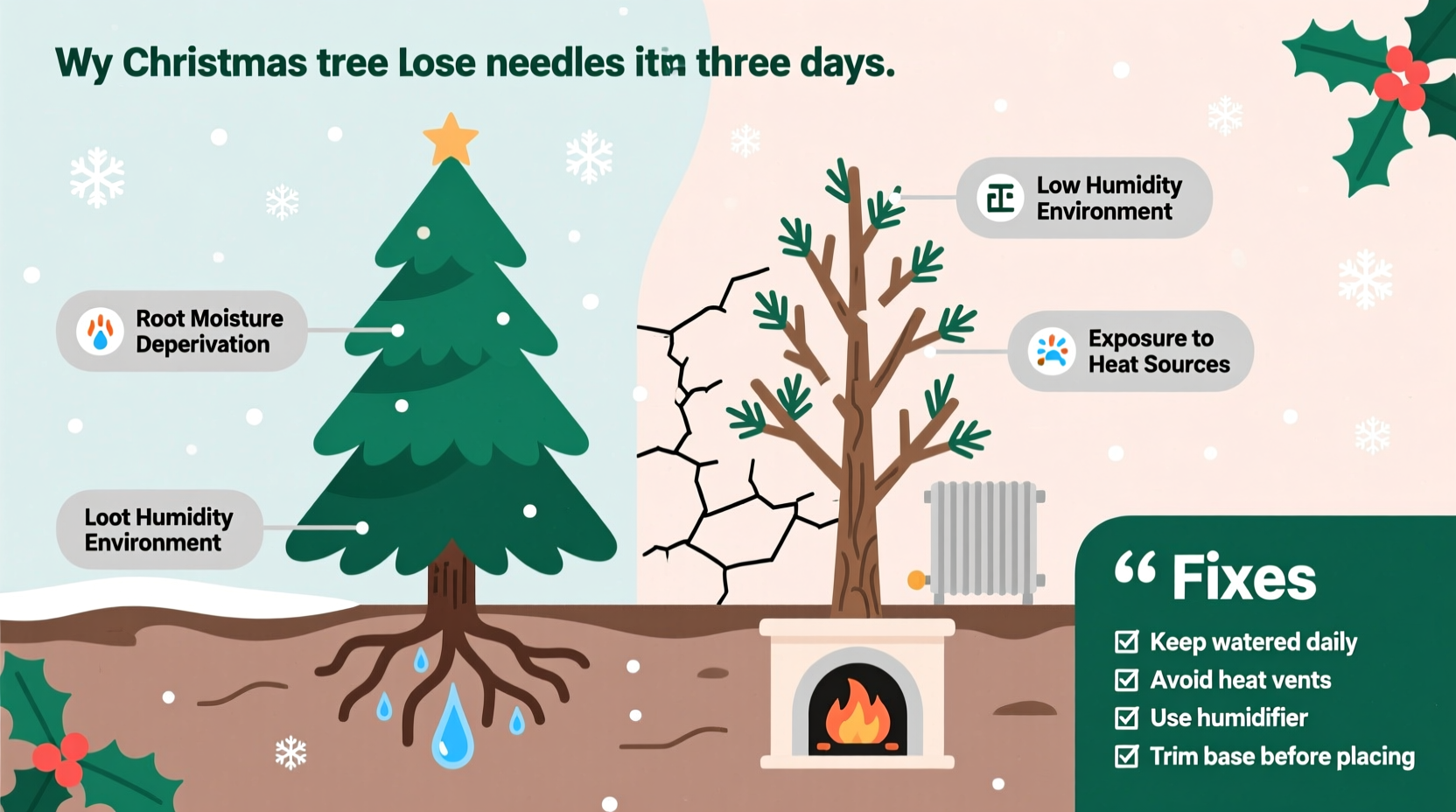
Needle shedding in evergreen trees is a natural process, but rapid loss shortly after purchase is not normal. Trees begin to dry out as soon as they’re cut. Without roots to draw water, their survival depends entirely on how well they absorb moisture through the freshly cut base.
When a tree is harvested, its vascular system—the network of channels that carry water from the trunk to the branches—starts to seal over within hours. If the cut stump isn’t placed in water promptly, air bubbles form in the xylem (the water-conducting tissue), creating blockages. This phenomenon, known as “air embolism,” prevents the tree from rehydrating, even if it’s later placed in a stand with water.
Dry indoor environments worsen the problem. Most homes during winter maintain humidity levels below 30%, while Christmas trees thrive in conditions closer to 50%. Low humidity accelerates transpiration—the process where moisture evaporates from needles—forcing the tree to pull more water from its trunk. When water supply fails to meet demand, the tree sheds needles to conserve resources.
“Freshness at the point of sale is critical. A tree that’s already dehydrated will struggle to recover, no matter how well it’s cared for at home.” — Dr. Laura Simmons, Urban Forestry Specialist, University of Vermont Extension
Common Causes of Early Needle Loss
Understanding what triggers premature needle drop helps prevent it. Here are the most frequent culprits:
- Delayed watering after cutting: If the tree wasn’t recut at the base or placed in water within 4–6 hours of harvest, its ability to absorb water is severely compromised.
- Dull saw blades during cutting: A crushed or ragged cut damages the vascular tissue, reducing water uptake.
- Exposure to wind and sun during transport: Leaving the tree in a truck bed or exposed to wind dries it out rapidly.
- Indoor heat sources: Placing the tree near radiators, fireplaces, or heating vents increases drying.
- Low humidity indoors: Forced-air heating systems reduce moisture in the air, speeding up needle dehydration.
- Poor water maintenance: Allowing the water level to drop below the cut surface forms a new seal, blocking absorption.
- Species sensitivity: Some species, like Leyland cypress or Virginia pine, are more prone to drying than others.
Step-by-Step Guide to Revive and Maintain Your Tree
If your tree is already showing signs of stress, don’t give up yet. Follow this timeline to maximize hydration and extend freshness.
- Re-cut the base (Day 0): Remove at least ½ inch from the bottom of the trunk with a sharp handsaw. This opens fresh vessels for water absorption. Make a straight, clean cut—avoid angles or V-shapes, which reduce surface area.
- Place immediately in water (Within 30 minutes): Transfer the tree directly into a stand filled with room-temperature water. Let it soak for at least 4–6 hours before decorating.
- Use a proper tree stand (Day 0): Choose a stand that holds at least one gallon of water for a typical 6–7 foot tree. Check manufacturer guidelines for capacity.
- Monitor water daily (Days 1–30): Fresh trees drink heavily in the first week—some consume over a quart per day. Refill the reservoir every 24 hours without letting it run dry.
- Keep away from heat (Ongoing): Position the tree at least 3 feet from radiators, vents, fireplaces, and electronics. Avoid south-facing windows that get direct sunlight.
- Increase humidity (Ongoing): Run a humidifier nearby, especially in dry climates. Alternatively, place a shallow tray of water with pebbles beneath the stand to encourage evaporation.
- Mist lightly (Optional, every few days): A fine mist on the branches can help, though it won’t replace proper trunk hydration.
“Think of your Christmas tree like a cut flower. It needs constant water access and a cool environment to stay vibrant.” — Greg Nelson, Horticulturist and Holiday Garden Editor, *Garden & Hearth Magazine*
Do’s and Don’ts: How to Care for Your Christmas Tree
| Do | Don't |
|---|---|
| Re-cut the trunk before placing in water | Use an old or crushed cut surface |
| Check water levels twice daily for the first week | Assume once-daily refills are enough |
| Keep the tree in a cool room when possible | Place near heating vents or fireplaces |
| Use plain tap water—no additives needed | Add sugar, aspirin, bleach, or commercial preservatives (they don’t help) |
| Dispose of the tree before it becomes a fire hazard (usually after 4 weeks) | Wait until needles fall naturally—by then, it’s too dry |
Real Example: A Family’s Tree Turnaround
The Thompson family in Columbus, Ohio, bought a 7-foot Fraser fir from a local lot on a Saturday morning. By Monday, they noticed excessive needle drop—so much that their dog was sneezing from the debris. Alarmed, they called a horticulture hotline and learned their mistake: they hadn’t re-cut the trunk because the lot claimed it was “already fresh-cut.”
They removed the tree from the stand, made a fresh ¾-inch cut, and submerged the base in a bucket of water overnight. Within 24 hours, the tree began absorbing over a pint of water daily. They moved it away from a nearby radiator and started using a small humidifier in the living room. Over the next two weeks, needle drop slowed dramatically. By Christmas Eve, the tree remained full and fragrant.
Their experience underscores a key truth: early intervention matters. Even a stressed tree can recover if given immediate access to water and better environmental conditions.
Checklist: Prevent Early Needle Loss
Follow this pre- and post-purchase checklist to ensure your tree stays fresh throughout the holidays:
- ☐ Ask the seller when the tree was harvested—ideally within the last 1–2 weeks
- ☐ Inspect for flexibility—bend a branch gently; it should spring back, not snap
- ☐ Shake the tree lightly—if more than a few brown inner needles fall, consider another option
- ☐ Recut the trunk yourself before placing it in water, regardless of claims
- ☐ Use a sturdy stand with adequate water capacity
- ☐ Fill the stand immediately and monitor water every 12–24 hours
- ☐ Keep the tree away from heat sources and direct sunlight
- ☐ Consider using a humidifier in the same room
- ☐ Limit lighting use to 6–8 hours per day to reduce heat buildup
- ☐ Plan disposal before January 5th to avoid fire risks
Frequently Asked Questions
Can I save a tree that’s already losing needles?
Yes, if caught early. Re-cut the base and place it in water immediately. Monitor absorption over 24 hours. If the tree begins drinking water again, you may slow further decline. However, if it shows no uptake after 48 hours, recovery is unlikely.
Does adding anything to the water help?
No. Studies from North Carolina State University and the Christmas Tree Research Council show that plain tap water performs as well as—or better than—additives like sugar, aspirin, or floral preservatives. These substances can even promote bacterial growth, clogging the stem further.
Which tree species holds needles the longest?
Fraser fir, Balsam fir, and Douglas fir are among the best for needle retention. Norway spruce and white pine tend to shed faster. Always inspect any tree carefully, as individual handling affects longevity more than species alone.
Conclusion: Protect Your Holiday Investment
A Christmas tree is more than decoration—it’s a centerpiece of memory and tradition. Losing needles days after setup doesn’t mean you did something wrong, but it does signal that urgent action is needed. With the right knowledge, even a struggling tree can be revived. More importantly, preventive steps—from recutting the trunk to managing indoor climate—can ensure your tree stays vibrant for weeks.
Treat your tree like the living plant it still is. Prioritize hydration, avoid heat, and check water religiously. These simple habits preserve not just the appearance of your tree, but the spirit of the season it represents.




 浙公网安备
33010002000092号
浙公网安备
33010002000092号 浙B2-20120091-4
Comments
No comments yet. Why don't you start the discussion?