
A freshly cut Christmas tree should bring warmth, fragrance, and festive cheer into your home for several weeks. But if you're finding pine needles scattered across the floor just days after setup, something’s gone wrong. Needle drop isn’t inevitable — it’s a sign of stress, improper handling, or environmental mismatch. The good news? With the right knowledge and care, you can significantly extend your tree’s life and minimize mess.
This guide dives into the science behind needle loss, identifies common mistakes, and provides actionable strategies backed by arborists, holiday decorators, and forestry experts. Whether you’ve bought a real tree every year or are trying one for the first time, understanding what causes premature shedding will help you enjoy a lush, full tree through New Year’s.
Understanding Why Real Trees Lose Needles
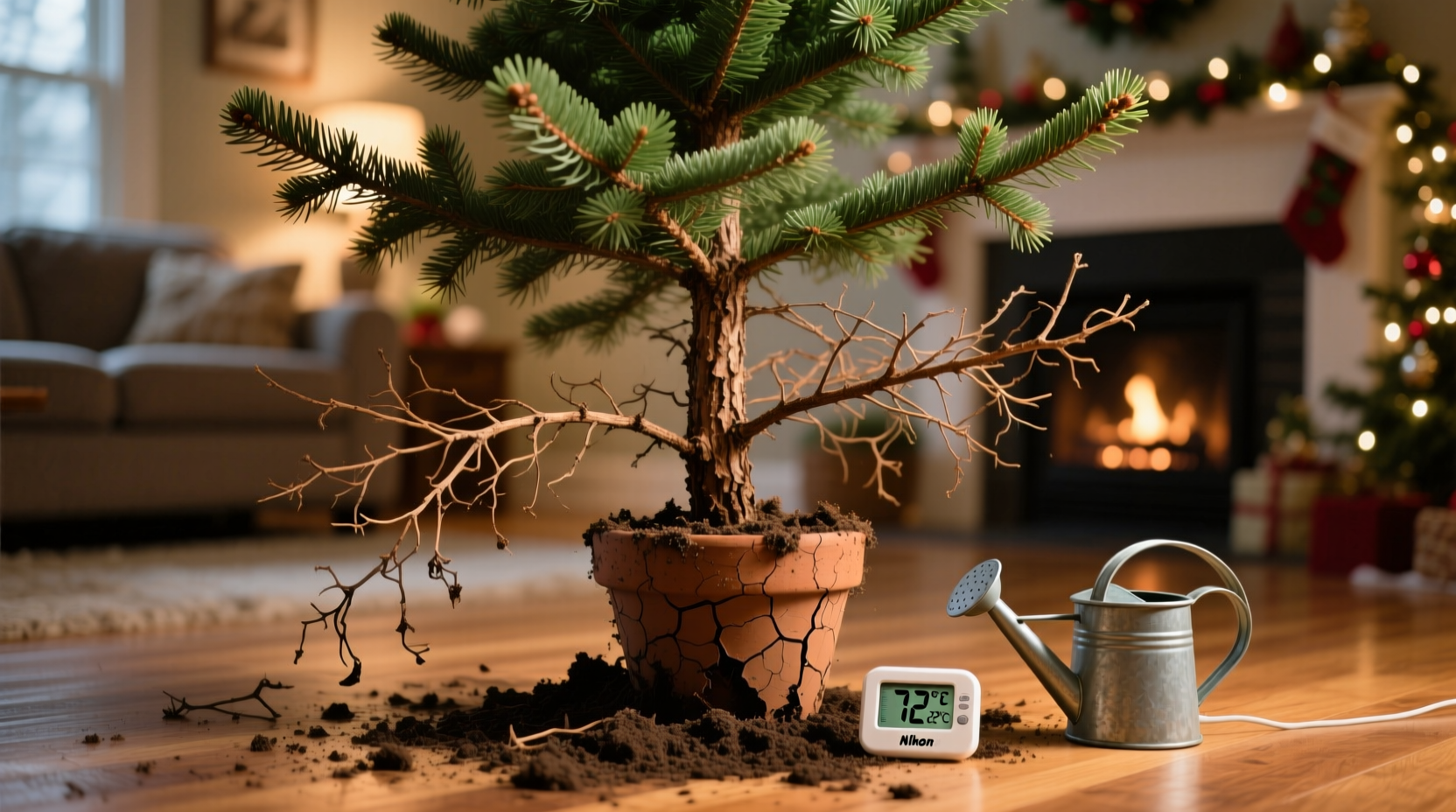
Unlike artificial trees, real evergreens continue to live — albeit in a diminished state — after being cut. They draw on stored moisture and respond to their environment. Needle drop occurs when the tree dehydrates, experiences shock from temperature changes, or is exposed to drying conditions.
All species shed some needles naturally over time, but rapid or excessive loss shortly after purchase indicates a problem. The key factor? Moisture retention. Once a tree is cut, its ability to absorb water depends entirely on proper stump maintenance and consistent hydration.
According to Dr. Laura Bennett, urban forester at the University of Vermont Extension, “A Christmas tree begins deteriorating the moment it’s cut. But that process can be slowed dramatically with immediate recutting and continuous water access.” Without this, embolisms form in the xylem — the tree’s internal water channels — sealing them off like a scab, which prevents rehydration even if placed in water later.
“Moisture loss is the number one cause of early needle drop. A tree can lose up to 50% of its weight in water over a month — without replenishment, it dries out fast.” — Dr. Laura Bennett, Urban Forester
Common Causes of Fast Needle Loss (And How to Avoid Them)
Several factors accelerate dehydration and stress in Christmas trees. Recognizing these pitfalls helps prevent them before they start.
1. Delayed Watering After Cutting
If more than four hours pass between cutting and placing the tree in water, the sap seals the base. Even a few hours without water drastically reduces uptake. Always ensure your tree is recut upon arrival home if it hasn’t been recently processed.
2. Indoor Heat and Dry Air
Central heating, fireplaces, space heaters, and direct sunlight raise indoor temperatures and lower humidity. These conditions mimic desert climates — extremely harsh for conifers used to cool, moist environments. A warm room can dry out a tree within a week.
3. Poor Stand Design or Maintenance
Many stands hold less than a quart of water — insufficient for most full-sized trees. A general rule: a healthy tree drinks about one quart of water per inch of stem diameter daily. If the stand runs dry even once, reabsorption becomes difficult.
4. Choosing a Dried-Out Tree
Not all trees are equally fresh. Some lots sit unwatered for days before sale. Shoppers often overlook signs of dryness until it's too late.
5. Physical Damage During Transport
Bouncing in a truck bed, exposure to wind, or rough handling damages bark and branches, increasing moisture loss. Always keep your tree wrapped during transit and avoid leaving it outside overnight.
Step-by-Step Guide to Preserving Your Christmas Tree
Follow this timeline-based approach to maximize freshness from purchase to takedown.
- Day 1 – Purchase & Initial Inspection
Select a tree with flexible needles, green inner branches, and sticky resin at cut points. Shake the trunk lightly; minimal needle drop is normal, but large clumps mean trouble. - Immediately Upon Arrival – Recut the Base
Using a handsaw, cut ½ to 1 inch off the bottom at a straight angle. This opens clogged vessels. Do not angle the cut or use wedges — they reduce surface area for water absorption. - Within 30 Minutes – Place in Water
Fill a sturdy stand holding at least one gallon. Use plain tap water — no additives needed. Check water level twice daily for the first week. - Day 2 – Optimize Placement
Keep the tree away from heat sources: radiators, vents, TVs, and sunny windows. Ideal room temperature: 65–70°F (18–21°C). Consider using a humidifier nearby. - Ongoing Care – Daily Monitoring
Refill water every day. Never let the reservoir go below the base. Wipe fallen needles regularly to reduce fire risk and allergens. - Mid-Season Boost – Nighttime Rest (Optional)
If outdoor temps stay above freezing, move the tree to a sheltered porch or garage overnight. Cooler air slows transpiration. Return indoors each morning.
Tree Care Comparison: Best Practices vs. Common Mistakes
| Practice | Recommended (Do) | Avoid (Don’t) |
|---|---|---|
| Water Type | Cold tap water | Sugary solutions, bleach, aspirin, floral preservatives |
| Stump Preparation | Fresh straight cut before placing in stand | Using old cuts, angled bases, or splitting trunks |
| Indoor Location | Away from heat sources, moderate lighting | Near radiators, fireplaces, or south-facing windows |
| Stand Capacity | Holds at least 1 gallon for standard trees | Tiny reservoirs requiring constant refilling |
| Needle Testing | Lift a branch and tap — few needles should fall | Ignoring brittleness or brown inner foliage |
Species Matters: Which Trees Last Longest?
Not all evergreens are equal when it comes to needle retention. Some species naturally resist drying better than others. Knowing which ones perform best helps you make an informed choice.
- Frasier Fir – Excellent moisture retention, strong scent, stiff branches ideal for ornaments. Widely considered the top performer.
- Balsam Fir – Rich aroma and good needle-holding ability, though slightly less drought-resistant than Frasier.
- Nordmann Fir – Popular in Europe, renowned for near-zero needle drop. Grows well in containers pre-harvest, reducing shock.
- Scotch Pine – Classic choice with excellent staying power. Needles cling tightly and don’t shed easily.
- Douglas Fir – Pleasant shape and citrusy scent, but moderate needle retention. Best kept very hydrated.
Conversely, White Pine and Blue Spruce tend to drop needles faster, especially in dry homes. While beautiful, they require extra diligence.
Real Example: One Family’s Tree Transformation
The Thompson family in Portland, Maine, used to replace their tree every two years due to rapid needle loss. In 2022, they brought home a Fraser Fir that began shedding heavily by Day 3. Frustrated, they contacted a local nursery for advice.
They learned their tree had been sitting on the lot for over a week without water and hadn’t been recut. Following expert guidance, they returned the next year with a checklist: purchased later in the season (closer to holidays), insisted on a fresh cut, used a large-capacity stand, and placed the tree in their cooler dining room instead of the living room with forced-air heating.
The result? Their 2023 tree stayed fresh through January 5th with minimal needle drop. “We barely swept under the tree until takedown,” said Sarah Thompson. “It smelled amazing the whole time. We’ll never go back to our old way.”
Myth-Busting: What NOT to Add to Your Tree Water
You may have heard recommendations to add sugar, aspirin, soda, or commercial additives to tree water. Despite widespread belief, research shows these provide no benefit — and some can even harm.
A landmark study by the National Christmas Tree Association found that plain tap water performed as well or better than any additive. Substances like bleach kill bacteria but also damage plant tissue. Sugar promotes microbial growth that clogs water uptake. Aspirin has shown minor benefits in lab settings but negligible impact in real-world conditions.
The safest, most effective method remains simple: clean water and consistent levels.
Essential Checklist for a Fresh, Long-Lasting Tree
Use this checklist to ensure your tree stays vibrant all season:
- ☐ Choose a species known for good needle retention (e.g., Fraser Fir, Scotch Pine)
- ☐ Inspect for freshness: bend needles, check for resin, look for vibrant color
- ☐ Recut the base within 4–6 hours of purchase
- ☞ Cut ½–1 inch straight across — no angles
- ☐ Place in a stand holding at least 1 gallon of water
- ☐ Fill with plain cold tap water immediately
- ☐ Position away from heat sources and direct sun
- ☐ Check water level twice daily — refill as needed
- ☐ Keep room temperature below 70°F when possible
- ☐ Remove tree before it becomes a fire hazard (typically after 4–5 weeks)
Frequently Asked Questions
How do I know if my tree is too dry to save?
If the trunk feels brittle, needles snap instead of bend, and water sits unused in the stand for over 24 hours despite recent recutting, the tree likely won’t rehydrate. At that point, removal is safest to avoid fire risks.
Can I revive a dried-out tree?
Once significant dehydration occurs, revival is unlikely. Prevention is key. However, if caught early — say, within 48 hours of setup and the base was not recut — try submerging the bottom 6 inches in a bucket of water overnight in a cool garage. Then recut and return to the stand.
Do artificial trees solve the needle problem?
Yes, artificial trees don’t shed needles, but they lack the natural scent and texture of real ones. High-quality models last decades, making them eco-friendly over time. However, low-end versions can off-gas chemicals and collect dust. For those sensitive to mess or with short display periods, real trees with proper care remain a rewarding option.
Final Thoughts: Make Your Tree Last All Season
A Christmas tree losing needles rapidly isn’t bad luck — it’s a signal. It tells you the tree is struggling to survive in its current conditions. By treating it like a cut flower — prioritizing immediate hydration, stable temperatures, and attentive care — you give it the best chance to thrive indoors.
With species selection, smart placement, and daily water checks, most real trees can stay fresh for four to five weeks. That means fewer messes, better safety, and a more joyful holiday atmosphere. The effort takes only minutes a day, but the payoff lasts for weeks.




 浙公网安备
33010002000092号
浙公网安备
33010002000092号 浙B2-20120091-4
Comments
No comments yet. Why don't you start the discussion?