
A freshly cut Christmas tree should last four to six weeks with proper care. Yet many homeowners are shocked when their tree begins shedding needles just days after setup. The culprit? Almost always improper moisture management. While needle drop can stem from several factors—species selection, transport stress, or room temperature—the most preventable cause is dehydration. Once a tree’s vascular system dries out, it cannot reabsorb water, no matter how deep the stand. Understanding this process is key to preserving your tree’s freshness and minimizing mess throughout the holiday season.
The Science Behind Needle Drop
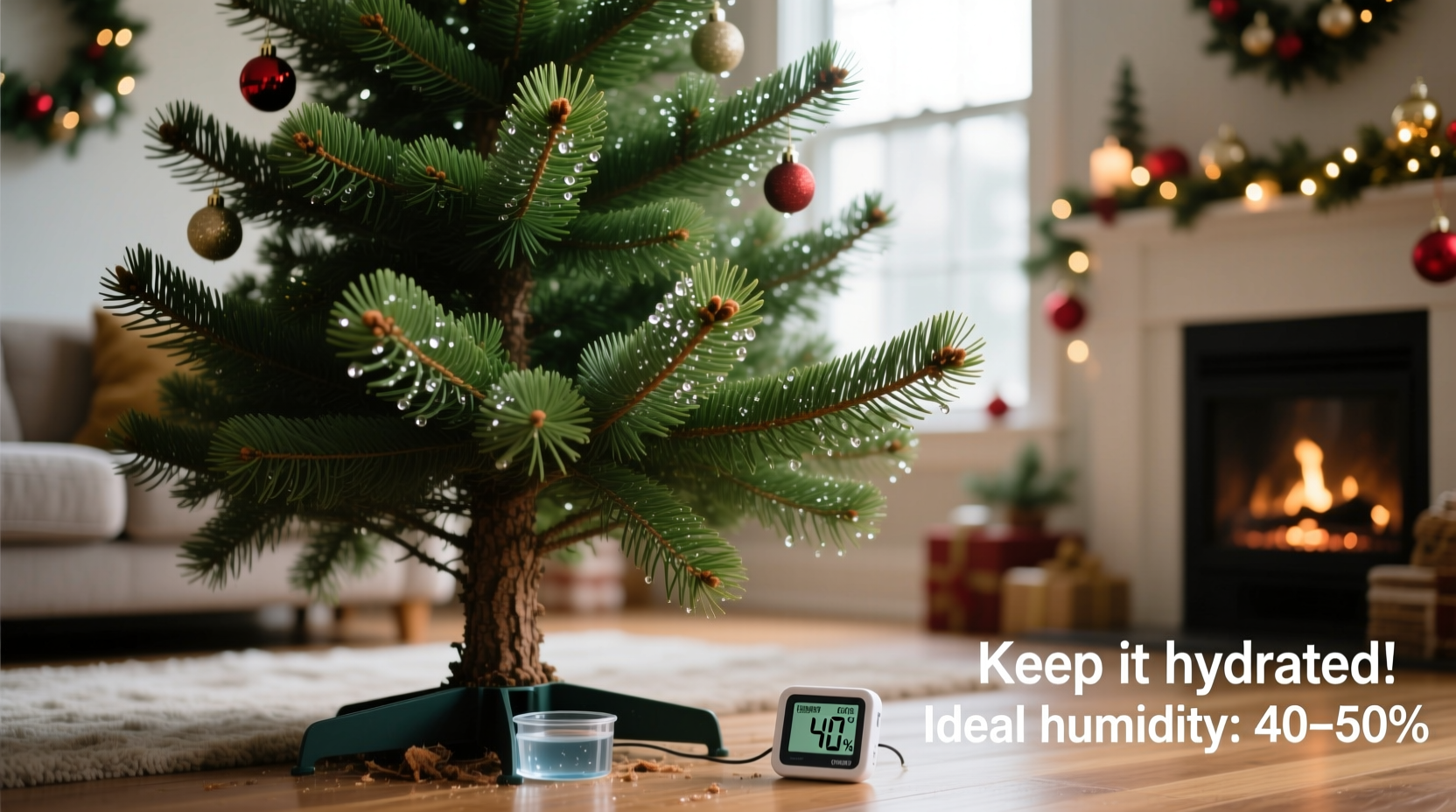
Christmas trees are typically cut weeks before they reach your living room. Even if harvested recently, every hour without water accelerates moisture loss. Trees absorb water through the freshly cut base of the trunk, which must remain submerged at all times. When exposed to air, the sap in the cut end seals over within hours, forming a barrier that blocks water uptake. This is known as “sap sealing” or “end-plugging.” Once sealed, even placing the tree in water won’t reverse the damage.
Needle loss occurs when cells in the foliage lose turgor pressure due to lack of internal moisture. As the tree dries, it enters a survival mode, shedding weaker branches and needles to conserve resources. This mimics natural seasonal behavior but happens prematurely indoors due to environmental stress.
“Cut evergreens begin deteriorating the moment they’re separated from their root system. The first 24 hours after purchase are critical for hydration.” — Dr. Linda Harper, Urban Forestry Specialist, Oregon State University
Species also play a role. Fraser firs and Balsam firs retain needles longer than spruces or pines under similar conditions. However, even resilient species will shed rapidly if deprived of consistent moisture.
Common Moisture Mistakes That Accelerate Drying
Most people believe placing a tree in a stand with water is enough. But several everyday habits sabotage hydration efforts:
- Delaying the first cut: Waiting too long to make a fresh cut prevents water absorption.
- Using a small water reservoir: Many stands hold less than a quart, insufficient for daily uptake.
- Infrequent refilling: Trees drink heavily in the first few days—up to a gallon per week.
- Placing near heat sources: Radiators, fireplaces, and heating vents drastically increase drying.
- Skipping the evening check: Water levels drop overnight; dry bases seal quickly.
Step-by-Step Guide to Maximizing Tree Hydration
Follow this timeline to ensure your tree stays hydrated from setup to takedown:
- Day 0 – Purchase & Transport: Buy your tree as close to setup day as possible. If transporting more than two hours, wrap the base in damp burlap and cover the crown to reduce wind exposure.
- Day 1 – Fresh Cut & Immediate Soak: Before standing the tree, cut ½ inch off the bottom. Do this at home for maximum effectiveness. Immediately place it in a water-filled stand. Let it soak for at least four hours before decorating.
- Days 2–3 – Monitor Water Twice Daily: Check water levels morning and night. A newly set tree may consume up to two quarts in the first 24 hours.
- Days 4–7 – Maintain Full Reservoir: Keep the stand filled so the base remains submerged. Refill before the water dips below the base.
- Week 2+ – Ongoing Checks: Daily checks are still essential. Though uptake slows, any dry period risks re-sealing.
Avoid adding commercial preservatives unless recommended by your tree farm. Plain water is proven effective. Some additives may promote bacterial growth or clog water absorption pathways.
Optimal Indoor Conditions for Needle Retention
Moisture isn’t only about the stand—it’s also about ambient air. Indoor heating systems pull humidity from the air, accelerating transpiration (moisture loss through needles). Low humidity makes trees thirsty and brittle.
Maintain an ideal environment with these adjustments:
- Keep room temperature below 70°F (21°C). Cooler rooms slow drying.
- Use a humidifier near the tree, especially in dry climates or heated homes.
- Position the tree away from direct heat sources, ceiling fans, and sunny windows.
- Limit lighting duration. LED lights generate less heat than incandescent bulbs.
| Factor | Recommended | Avoid |
|---|---|---|
| Water Stand Size | Holds 1+ gallons | Less than 1 quart capacity |
| Room Temperature | 65–68°F (18–20°C) | Above 72°F (22°C) |
| Humidity Level | 40–50% | Below 30% |
| Light Exposure | Indirect natural light | Direct sun or radiant heat |
| Tree Species | Fraser Fir, Noble Fir, Balsam | Austrian Pine, Blue Spruce (if not well-hydrated) |
Real Example: The Overheated Living Room Scenario
Sarah in Denver bought a Fraser fir on a Friday afternoon. The lot attendant made a fresh cut and wrapped the base in plastic. She stored the tree vertically in her garage overnight. On Saturday morning, she brought it inside, secured it in a stand, and added water. By Monday, needles were falling at an alarming rate.
Upon inspection, the issue became clear: the tree stood three feet from a forced-air vent that ran continuously. Daytime temperatures in the living room reached 74°F, and humidity measured just 26%. Though the stand was full, the tree lost moisture faster than it could absorb it. Sarah moved the tree to a cooler corner, installed a humidifier, and reduced HVAC runtime. Within 48 hours, needle drop slowed significantly. The tree remained fresh through New Year’s Eve.
This case illustrates that even with proper initial watering, environmental conditions can override good intentions. Proactive climate control is essential.
Checklist: How to Prevent Premature Needle Loss
Use this checklist before, during, and after setup to maximize your tree’s lifespan:
- ☐ Buy the tree within 3–5 days of display date
- ☐ Confirm a fresh cut was made—or make one yourself
- ☐ Use a stand holding at least one gallon of water
- ☐ Fill the stand immediately after cutting
- ☐ Place the tree in a cool area away from heat sources
- ☐ Check water level twice daily for the first week
- ☐ Refill before the water drops below the trunk base
- ☐ Use LED lights to minimize heat exposure
- ☐ Run a humidifier if indoor air feels dry
- ☐ Avoid hanging heavy ornaments on outer branches
Expert Tips for Long-Term Freshness
Beyond water and climate, small details influence longevity. Experts recommend the following practices:
- Pre-soak before setup: If you can’t set up immediately, store the tree horizontally in a bucket of water for 12–24 hours.
- Trim lower branches: Removing obstructive limbs improves water access and stand stability.
- Minimize handling: Frequent shaking or adjusting increases needle dislodgement.
- Inspect regularly: Look for signs of mold, slime, or stagnation in the water. Change water if it becomes cloudy.
“The single biggest factor in tree freshness is uninterrupted water access. If the cut dries out even once, recovery is unlikely.” — National Christmas Tree Association Care Guidelines
Some suggest drilling horizontal holes above the base to increase surface area. This method is not recommended—it weakens structural integrity and offers negligible hydration benefit compared to a clean, flat cut.
Frequently Asked Questions
How can I tell if my tree is too dry?
Lift a branch and gently run your hand outward. If multiple needles fall off easily—not just a few—it’s dehydrating. Healthy branches should flex and retain most needles. Also, check the trunk base: if it looks dull or cracked instead of moist and sticky, it’s likely sealed.
Can I revive a tree that’s already losing needles?
If the tree has been dry for more than 24 hours, revival is unlikely. However, if caught early, remove it from the stand, make a new ½-inch cut, and submerge the base in room-temperature water for several hours. Return to a full stand afterward. Reduce room temperature and add humidity to support recovery. Note: some needle loss may continue even with intervention.
Do commercial tree preservatives work?
Studies show mixed results. Some additives contain sugars or biocides that may help marginally, but plain water performs equally well in controlled tests. Avoid aspirin, bleach, or vodka—these can harm the tree or encourage bacterial growth. Stick to clean water and consistent refill habits.
Conclusion: Keep Your Tree Fresh All Season
A Christmas tree losing needles within days is a sign of moisture failure—not inevitable decay. With the right preparation, equipment, and daily attention, you can maintain a lush, fragrant centerpiece for the entire holiday season. The foundation of success lies in uninterrupted hydration: a fresh cut, immediate soaking, and vigilant water monitoring. Pair this with a cool, humid environment and strategic placement, and your tree will stay vibrant far longer.
Don’t let poor planning turn your festive symbol into an early cleanup chore. Apply these moisture-focused strategies from day one. Your effort will be rewarded with fewer fallen needles, richer color, and a longer-lasting celebration.




 浙公网安备
33010002000092号
浙公网安备
33010002000092号 浙B2-20120091-4
Comments
No comments yet. Why don't you start the discussion?