
A crooked Christmas tree can be more than just an eyesore—it’s a safety hazard and a sign that something’s wrong with how it’s secured. Whether you’ve just set up your tree or noticed it leaning after days of display, an unsteady evergreen undermines the holiday spirit. The good news: most stability issues are fixable with the right approach. From uneven trunk cuts to mismatched stands and shifting bases, understanding the root causes is the first step toward a perfectly upright centerpiece.
Common Causes of a Leaning Christmas Tree
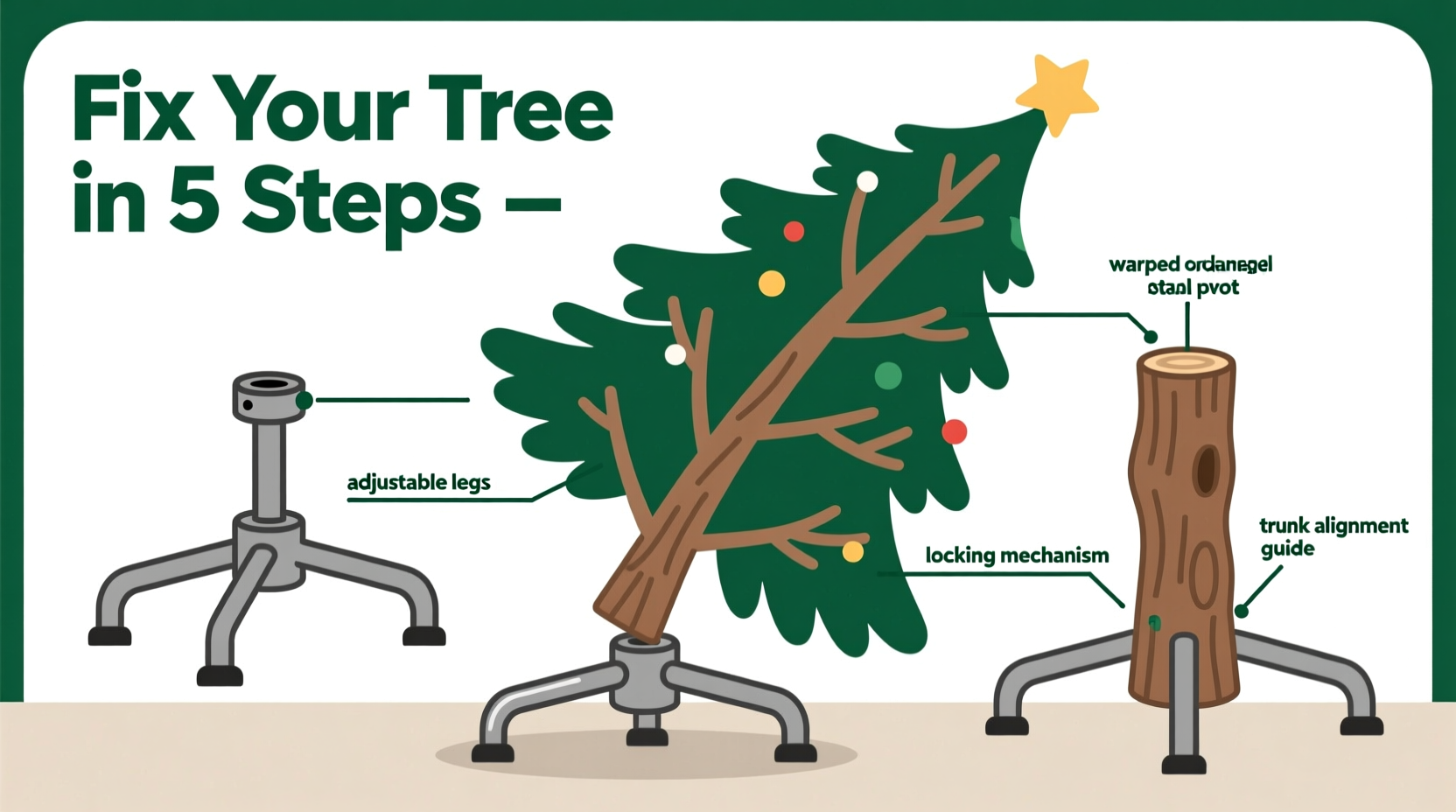
A tree that won’t stand straight rarely has a single cause. Instead, it's often the result of multiple small oversights compounding into instability. Identifying the culprit saves time and prevents frustration later in the season.
- Uneven or angled trunk cut: If the bottom of the trunk isn’t flat and perpendicular to its length, the tree will naturally tilt when placed in the stand.
- Incorrect stand size: A stand too small for the tree’s base won’t grip properly, while one too large may allow lateral movement.
- Loose or worn clamping mechanism: Screws, bolts, or wing nuts that don’t tighten fully fail to secure the trunk.
- Soft or damaged wood at the base: Rot, splitting, or insect damage weakens the trunk’s ability to support weight.
- Unlevel floor surface: Even slight inclines in flooring can cause a tree to lean over time.
- Heavy or uneven ornament distribution: Loading one side with lights, garlands, or large ornaments creates torque that pulls the tree off-center.
Step-by-Step Fixes to Stabilize Your Tree
Correcting a leaning tree doesn’t require professional tools—just patience and attention to detail. Follow this sequence to diagnose and resolve the issue safely.
- Remove all decorations and lights. This reduces weight and eliminates asymmetrical forces pulling the tree sideways.
- Lift the tree from the stand and inspect the base. Look for cracks, warping, or an uneven cut. Run your hand across the bottom—if it wobbles on a flat surface, it needs trimming.
- Re-cut the trunk if necessary. Use a handsaw or pruning saw to make a clean, straight cut across the base. Avoid angled cuts—they prevent full contact with the stand’s bottom plate.
- Check the stand’s condition. Ensure the screws or tightening mechanisms move smoothly and apply even pressure. Replace cracked plastic parts or rusted metal components.
- Test the stand on a level surface. Place a small level on top of the filled reservoir or base. If the stand itself is tilted, consider moving it to a flatter area or using shims under the legs.
- Reinsert the trunk and tighten gradually. Turn each screw a few turns in rotation (like lug nuts on a car) to ensure balanced pressure. Over-tightening one side can warp the trunk.
- Fill with water and monitor for 30 minutes. Watch for any shift. If the tree still leans, proceed to stabilization techniques below.
Stabilization Techniques for Persistent Leaning
Sometimes, even a well-cut tree in a solid stand will lean due to internal trunk curvature or floor inconsistencies. These advanced fixes provide long-term stability without compromising aesthetics.
Use Shims for Minor Alignment Issues
If the tree sits mostly upright but has a slight wobble, insert thin wooden or plastic shims between the trunk and the stand’s gripping points. Cut them to size so they fill gaps evenly. Test by gently rocking the tree—no movement should occur.
Anchor with Discreet Support Lines
For tall or top-heavy trees, use nearly invisible fishing line to tether the upper third to wall anchors or heavy furniture. Attach two or three lines at 120-degree intervals for balanced pull. Keep tension low—just enough to prevent sway.
Reinforce Soft Trunk Bases
If the lower trunk is cracked or spongy, wrap a wide hose clamp around the base just above the stand. Tighten it snugly to compress weakened wood and create a firmer column. Cover with decorative burlap or a tree collar if visible.
Level the Floor Underneath
Hardwood or tile floors often have subtle slopes. Place folded felt pads or rubberized shelf liner under the stand’s feet to compensate. For carpeted areas, adjust the padding beneath until the stand sits flush.
“Over 60% of tree tip-overs we see during holiday safety inspections stem from improper initial setup—not external factors like pets or kids.” — Michael Tran, Fire Safety Specialist, National Holiday Safety Council
Do’s and Don’ts: Tree Stand Best Practices
| Action | Do | Don’t |
|---|---|---|
| Trunk Preparation | Cut ½ inch off the base before inserting into water | Use a pre-cut tree that’s been sitting for days without water |
| Stand Selection | Choose a stand rated for your tree’s height and trunk diameter | Force a thick trunk into a small stand |
| Tightening | Alternate screws evenly to apply uniform pressure | Tighten one bolt completely before touching others |
| Water Maintenance | Check water levels daily; refill as needed | Let the reservoir run dry even once |
| Ornament Placement | Distribute weight evenly across branches | Cluster heavy decorations on one side |
Real Example: Fixing a 7-Foot Fraser Fir That Wouldn’t Stay Upright
Jessica from Columbus, Ohio, purchased a 7-foot Fraser fir last December. After setting it up in her living room, she noticed it leaned sharply toward the fireplace. She tightened the stand’s screws repeatedly, but the tree kept shifting.
Upon inspection, she discovered two issues: the trunk had a slightly angled cut, and her hardwood floor sloped about 3 degrees toward the hearth. She removed the tree, re-cut the base horizontally, and placed rubber door-stop wedges under two legs of the stand. After reassembling and filling the reservoir, the tree stood perfectly vertical. To prevent recurrence, she used lightweight ornaments and checked water twice daily. The tree remained stable for five weeks.
This case highlights how multiple small flaws—a poor cut and an uneven floor—can combine into a major problem. Addressing both was key to success.
Essential Checklist Before Final Decoration
Before hanging a single ornament, run through this checklist to ensure your tree is structurally sound:
- ☐ Fresh horizontal cut made on the trunk (within 24 hours of setup)
- ☐ Stand matches tree size and is in good working condition
- ☐ All clamping screws operate smoothly and apply even pressure
- ☐ Stand sits on a level surface (verified with a bubble level)
- ☐ No cracks, splits, or soft spots at the base of the trunk
- ☐ Water reservoir filled to manufacturer’s recommended level
- ☐ Tree remains upright after 30 minutes of observation
- ☐ No nearby heat sources (vents, radiators, fireplaces) blowing directly on the tree
Frequently Asked Questions
Can I fix a leaning tree without removing it from the stand?
In minor cases, yes. If the tree is only slightly off-center and the trunk is intact, you can loosen the screws slightly, reposition the tree, and retighten evenly. However, if the base is uneven or dried out, removal and recutting are necessary for a lasting fix.
How tight should the stand’s screws be?
The screws should be snug enough to prevent any trunk movement but not so tight that they crush or split the wood. You should need moderate hand strength to turn them, and the trunk shouldn’t show signs of compression or cracking. Recheck tightness every few days as the wood settles.
Is it safe to use duct tape or zip ties to hold the tree upright?
No. While temporary taping might seem helpful, it can trap moisture against the trunk, accelerating rot. Zip ties may cut into bark and restrict water uptake. Use proper mechanical supports like shims, braces, or fishing line anchors instead.
Final Thoughts: A Straight Tree Starts With Smart Setup
A Christmas tree that stands straight isn’t just about appearance—it’s about safety, longevity, and peace of mind. Most leaning issues stem from avoidable mistakes: skipping a fresh cut, using an ill-fitting stand, or ignoring floor conditions. By taking the time to prepare the trunk correctly, choose the right hardware, and balance weight distribution, you ensure your tree remains a proud centerpiece throughout the holidays.
Remember, a stable tree drinks better, lasts longer, and poses less risk to children, pets, and furnishings. Once upright, maintain it with daily water checks and periodic stability tests. Small efforts upfront prevent bigger problems down the road.




 浙公网安备
33010002000092号
浙公网安备
33010002000092号 浙B2-20120091-4
Comments
No comments yet. Why don't you start the discussion?