
There’s nothing more disheartening than watching your freshly brought-in Christmas tree turn into a carpet of needles within days. You expected a fragrant, full centerpiece for the holidays—instead, you’re vacuuming daily and questioning whether it was worth the effort. Excessive shedding isn’t just normal wear and tear; it can signal deeper issues related to species selection, harvest timing, transportation, or home environment. Understanding when this shedding began and what triggered it can make all the difference in preserving your tree through the season.
Christmas trees are living cut plants, not decorations. Once separated from their root system, they begin a slow decline. But that doesn’t mean rapid needle drop is inevitable. With proper handling, many trees retain their freshness for four weeks or more. The key lies in identifying the cause—and acting quickly.
Understanding Normal vs. Excessive Shedding
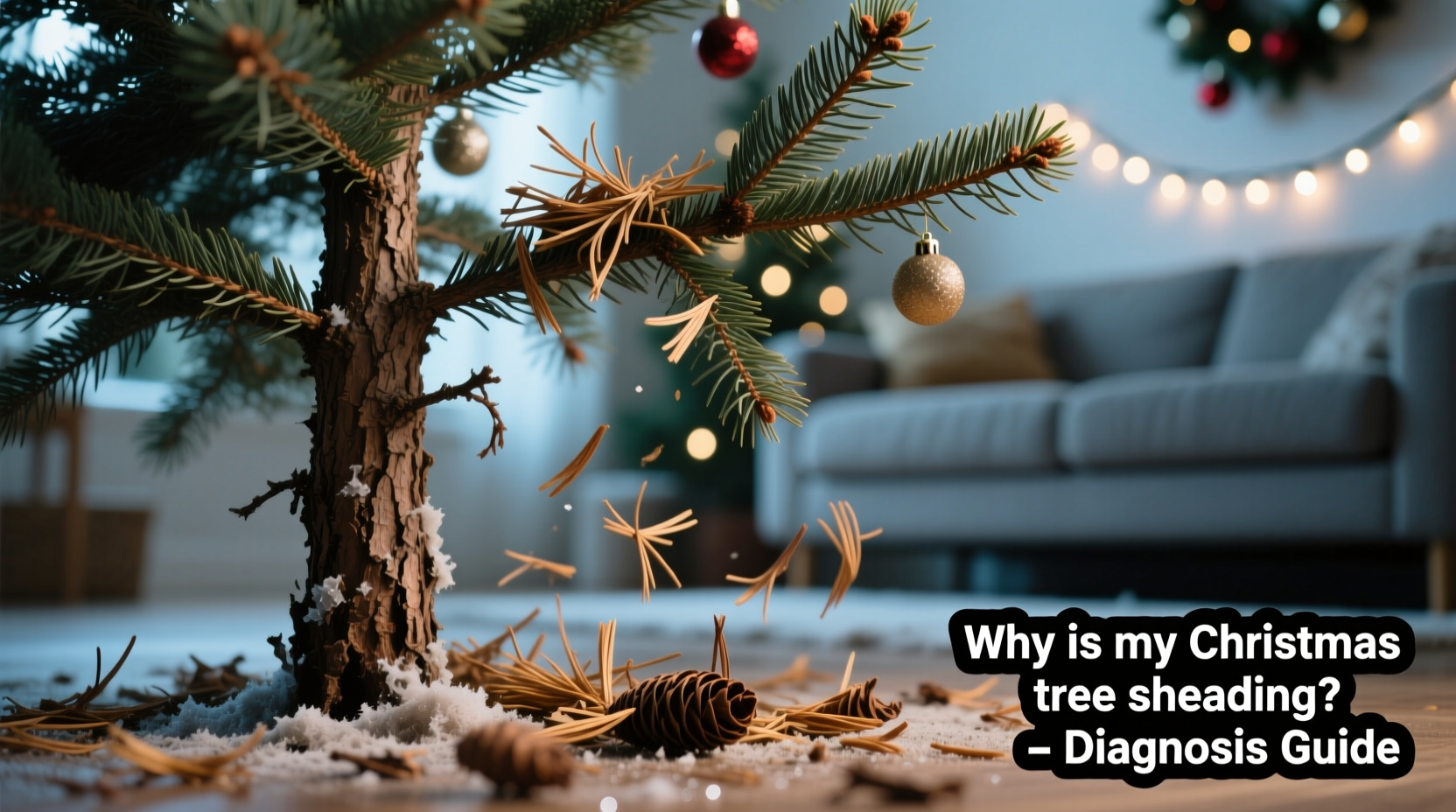
All real Christmas trees shed some needles. This is natural. Evergreens like firs, pines, and spruces naturally replace older needles each year. Even after being cut, residual metabolic activity continues for a time, and minor needle loss occurs as part of the drying process. However, excessive shedding—defined as losing more than 10% of needles with light shaking or regular brushing—is a red flag.
The timeline matters. If your tree started dropping heavily within 48 hours of setup, something went wrong early in the chain: possibly during harvesting, transport, or initial hydration at home. On the other hand, if shedding began gradually after two weeks, it may simply reflect dehydration or environmental stress.
“Needle retention begins deteriorating the moment a tree is cut. The first 24 hours post-cut are critical—if the tree isn’t rehydrated promptly, cellular damage sets in fast.” — Dr. Laura Bennett, Forest Ecologist, University of Vermont
When Did the Shedding Start? A Timeline Analysis
To diagnose the issue, pinpoint exactly when the shedding began. The onset tells you where the problem originated.
Immediate Shedding (Within 1–2 Days)
If your tree started losing needles almost immediately after bringing it home, the most likely culprit is pre-cut stress. Many lots sell trees that were harvested weeks earlier and stored improperly. Without a fresh cut and immediate water uptake, these trees dehydrate rapidly.
Another factor could be temperature shock. Trees kept outdoors in freezing conditions then moved directly into a heated home experience sudden transpiration spikes. Warm air pulls moisture from needles faster than dry roots can replace it, accelerating needle loss.
Gradual Decline (After 10–14 Days)
This pattern is more common and often manageable. Gradual shedding typically results from inadequate water supply, low humidity, or proximity to heat sources like radiators or fireplaces. These factors compound over time, leading to progressive desiccation.
Species plays a role here too. Some varieties, like Scotch pine or Fraser fir, are known for excellent needle retention, while others—such as white pine or spruce—shed faster under suboptimal conditions.
Sudden Spike After Stability
If your tree held up well for two weeks and then suddenly began dropping en masse, consider changes in your household routine. Did you turn on central heating? Move the tree for cleaning? Run holiday lights continuously? Even small shifts in microclimate can trigger accelerated drying.
Key Causes of Premature Needle Drop
Several interrelated factors contribute to excessive shedding. Identifying which apply to your situation helps target solutions effectively.
Lack of Fresh Cut
When a tree sits out of water for more than a few hours after cutting, sap seals the base, forming a barrier that prevents water absorption. Even if placed in a stand later, the tree cannot rehydrate. Always make a fresh half-inch cut before placing it in water, especially if purchased precut.
Inadequate Water Supply
A Christmas tree can drink up to a gallon of water in the first 24 hours. Yet many stands hold less than a quart. Refilling once a day isn’t enough if the reservoir runs dry overnight. Check water levels twice daily, especially in the first week.
Dry Indoor Air
Winter indoor humidity often drops below 30%. Combined with forced-air heating, this creates a desert-like environment for a living tree. Needles lose moisture rapidly, become brittle, and detach easily.
Poor Species Selection
Not all trees are created equal. While noble fir and Concolor fir hold needles exceptionally well, blue spruce and white pine are prone to shedding even under good care. Know your species before buying.
Physical Stress During Transport
Bouncing in a truck bed, exposure to wind, or prolonged sun during transport accelerates drying. Trees wrapped in netting protect branches but don’t prevent internal moisture loss if left unwatered.
“Over 60% of early-shedding cases we see stem from one issue: no fresh cut before watering.” — National Christmas Tree Association Field Report, 2023
Step-by-Step Guide to Minimize Shedding
Follow this timeline-based action plan to extend your tree’s life and reduce needle loss.
- At Purchase – Choose Freshness
Shake the tree lightly. Minimal needle drop indicates freshness. Bend a needle—it should be flexible, not brittle. Look for sticky resin at branch breaks, a sign of recent cut. - Before Setup – Recut the Base
Remove at least ½ inch from the bottom using a handsaw. Do this within four hours of purchase if possible. This opens the vascular system for optimal water uptake. - First 24 Hours – Hydrate Immediately
Place the tree in a stand filled with room-temperature water. Ensure the stand holds at least one quart per inch of trunk diameter. Never let the water level drop below the base. - Days 2–7 – Monitor Daily
Check water levels twice a day. Top off as needed. Avoid adding commercial preservatives unless recommended—plain water works best. Mist foliage lightly once a day to boost humidity. - Week 2+ – Optimize Environment
Keep the tree away from heat sources. Use a humidifier nearby. Turn off decorative lights when not viewing to reduce heat buildup.
Do’s and Don’ts: Christmas Tree Care Table
| Do | Don’t |
|---|---|
| Make a fresh cut before placing in stand | Use a dull saw or skip recutting the base |
| Keep water level above the base at all times | Let the stand run dry, even briefly |
| Place tree away from heaters, vents, and fireplaces | Set up near south-facing windows or radiators |
| Mist needles occasionally to increase humidity | Spray with chemical anti-desiccant sprays unless advised |
| Choose long-retention species like Fraser or Balsam fir | Buy white spruce or white pine if low shedding is a priority |
Real Example: The Early-Shedding Fraser Fir
Sarah in Pittsburgh bought her Fraser fir from a roadside lot on December 1st. It looked lush and smelled wonderful. She set it up the same evening, skipping a fresh cut because “the lot already trimmed it.” By December 3rd, she noticed needles coating the floor. Within five days, the lower third had thinned dramatically.
She contacted a local nursery, who asked: “Did you recut the base?” Sarah realized she hadn’t. The tree had been cut nearly two weeks prior and sat in storage without water. The vascular tissue had sealed shut. Despite daily refills, the tree couldn’t absorb water. A second cut wasn’t possible without reducing height significantly, so she resorted to misting and cooling the room—but the damage was done.
Her next-year solution? Buying from a farm that cuts-to-order and making the fresh cut herself before transport.
Tips for Extending Your Tree’s Life
Frequently Asked Questions
Can I stop shedding once it starts?
You can slow it down significantly if caught early. Ensure the tree has a fresh cut and constant water access. Reduce heat exposure and increase humidity. However, if cellular dehydration has already occurred, recovery is limited. Prevention is far more effective than intervention.
Is it safe to use tap water with chlorine?
Yes. Municipal tap water is fine for Christmas trees. Chlorine levels are not high enough to harm the tree. In fact, chlorinated water may inhibit bacterial growth in the stand. Avoid softened water, though, as high sodium content can impair water absorption.
Does spraying the tree with hairspray help?
No—this is a dangerous myth. Hairspray coats needles, clogs pores, increases flammability, and offers no real benefit. It can also damage ornaments and nearby furnishings. Stick to clean water and proper placement.
Checklist: Prevent Excessive Shedding
- ☑ Buy from a reputable source with visible freshness indicators
- ☑ Confirm the tree was recently cut (within 3–5 days preferred)
- ☑ Make a fresh ½-inch cut before placing in stand
- ☑ Fill stand with water immediately and check levels twice daily
- ☑ Keep tree away from heat sources and direct sunlight
- ☑ Use a humidifier in the room if indoor air is very dry
- ☑ Avoid overcrowding with heavy ornaments on lower branches
- ☑ Plan disposal before needles become uncontrollable
Conclusion: Act Now to Save Your Tree
Excessive Christmas tree shedding isn’t just annoying—it’s avoidable. Whether the problem started the moment you brought the tree home or crept in after two weeks, the response is the same: prioritize hydration, optimize environment, and act decisively. A little knowledge goes a long way in preserving the magic of a real tree through the holidays.
Your tree’s condition today reflects choices made yesterday. But tomorrow’s freshness depends on what you do now. Reassess water levels, relocate if necessary, and commit to daily monitoring. With focused care, you can reclaim control and enjoy a fuller, longer-lasting centerpiece.




 浙公网安备
33010002000092号
浙公网安备
33010002000092号 浙B2-20120091-4
Comments
No comments yet. Why don't you start the discussion?