
Coffee is one of the world’s most beloved beverages—rich, aromatic, and energizing. But when it turns harsh or unpleasantly bitter, the experience can be ruined in a single sip. Bitterness isn’t always a flaw; in fact, it’s a natural component of coffee’s flavor profile. However, excessive bitterness often signals something’s gone wrong in the brewing process. The good news? Most causes are easily corrected with small adjustments. Whether you're using a drip machine, French press, or espresso maker, understanding what creates bitterness allows you to reclaim a smoother, more balanced cup.
Understanding Coffee Bitterness: Not All Bitter Is Bad
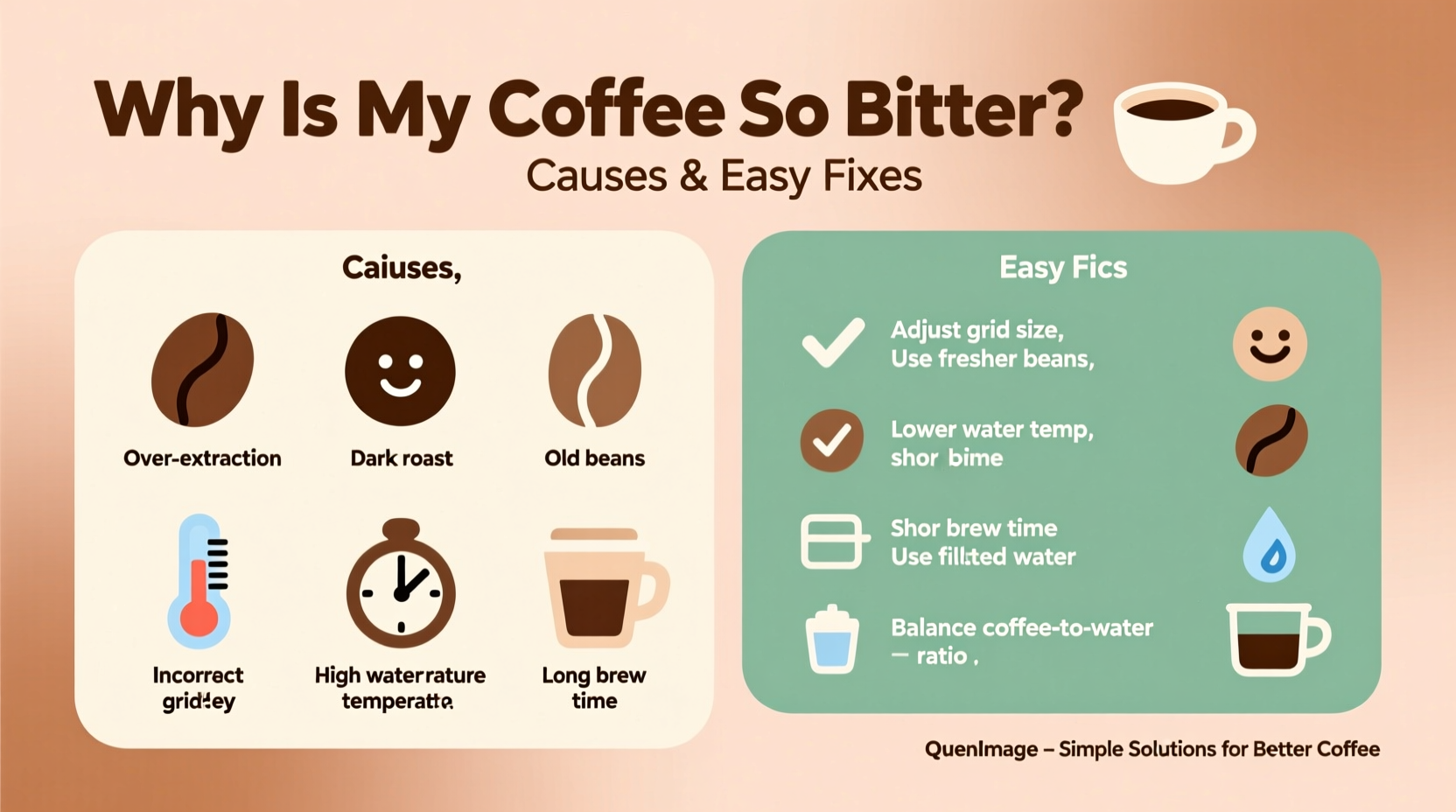
Bitterness in coffee comes from compounds like chlorogenic acid lactones and phenylindanes, which form during roasting. Lighter roasts tend to have higher acidity and less of these bitter compounds, while dark roasts develop more due to prolonged heat exposure. A moderate level of bitterness adds depth and complexity—think of it as the backbone of bold espresso. But when bitterness overwhelms sweetness, fruitiness, or floral notes, it's usually due to brewing errors, poor bean quality, or equipment issues.
The key is balance. Great coffee harmonizes bitterness with sweetness, acidity, and body. When one element dominates, the drink becomes unbalanced. Identifying the root cause helps restore that equilibrium.
Common Causes of Excessive Bitterness
1. Over-Extraction
This is the leading culprit behind bitter coffee. Extraction occurs when hot water dissolves soluble compounds from ground coffee. Too little time or too coarse a grind leads to under-extraction (sour, weak coffee). Too much time or too fine a grind causes over-extraction, pulling out undesirable bitter compounds.
For example, if your French press brew sits for more than 5 minutes or your espresso shot takes longer than 30 seconds, you’re likely extracting beyond the sweet spot.
2. Water Temperature Too High
Optimal brewing temperature ranges between 195°F and 205°F (90–96°C). Water at boiling point (212°F/100°C) can scald the grounds, accelerating extraction and intensifying bitterness, especially in lighter roasts sensitive to heat.
3. Poor Grind Consistency
Inconsistent grind size—common with blade grinders—leads to uneven extraction. Fine particles extract quickly and become bitter, while coarse ones remain under-extracted. The result? A muddy, harsh cup with both sour and bitter notes.
4. Low-Quality or Over-Roasted Beans
Some roasters push beans into second crack to create “bold” profiles, but this burns sugars and increases bitterness. Cheap, low-grade beans often mask defects with dark roasting, making them inherently harsh.
5. Dirty Equipment
Residual oils and old coffee buildup in grinders, brewers, or portafilters go rancid over time. These stale residues contribute sharp, acrid flavors that amplify perceived bitterness.
6. Using Too Much Coffee
A high coffee-to-water ratio increases strength but also raises the risk of over-extraction and bitterness. The Specialty Coffee Association recommends a 1:16 to 1:18 ratio (e.g., 20g coffee to 320g water).
“Brewing is chemistry, not luck. Small changes in time, temperature, or grind can shift a cup from balanced to bitter in seconds.” — Dr. Sarah Lin, Coffee Sensory Scientist
Easy Fixes to Reduce Bitterness
Adjust Your Grind Size
If your coffee tastes bitter, coarsen the grind. For drip machines, aim for medium-fine (like table salt). For French press, use coarse (like breadcrumbs). Espresso requires fine, but consistency is critical—invest in a burr grinder.
Lower Water Temperature
Let boiled water sit 15–30 seconds before pouring. This brings it into the ideal range without scalding the grounds. Gooseneck kettles with built-in thermometers make this easier.
Shorten Brew Time
Reduce contact time between water and coffee. Try cutting French press steeping from 4 minutes to 3. For pour-over, speed up your pour or reduce total volume. With espresso, adjust dose or grind to achieve a 25–30 second shot.
Use Fresher, Higher-Quality Beans
Freshness matters. Buy whole beans roasted within the past 2–4 weeks and store them in an airtight container away from light and moisture. Choose specialty-grade beans with roast dates clearly labeled. Light to medium roasts often offer cleaner, sweeter profiles with less inherent bitterness.
Clean Your Gear Regularly
Descale your coffee maker monthly. Clean your grinder weekly by running rice through it or disassembling and brushing out old grounds. Wipe down portafilters and shower screens after each use.
| Issue | Solution | Expected Result |
|---|---|---|
| Over-extraction | Coarsen grind, shorten brew time | Softer mouthfeel, reduced bitterness |
| Water too hot | Wait 15–30 sec after boiling | Less scalding, brighter balance |
| Poor grind quality | Upgrade to burr grinder | Even extraction, cleaner taste |
| Stale beans | Buy fresh, store properly | Enhanced sweetness and aroma |
| Dirt buildup | Deep clean monthly | Removal of rancid off-flavors |
Step-by-Step Guide to Fixing Bitter Coffee
- Start Fresh: Use beans roasted within the last month and grind just before brewing.
- Check Your Ratio: Weigh your coffee and water. Start with 1:17 (e.g., 18g coffee to 306g water).
- Adjust Grind: If bitter, coarsen the grind slightly. Wait for the next brew to assess change.
- Control Temperature: Heat water to 200°F or let boiled water rest 20 seconds.
- Modify Brew Time: Reduce total extraction time by 15–30 seconds.
- Taste and Iterate: Sip slowly. Is bitterness fading? Adjust one variable at a time until balanced.
- Maintain Equipment: Clean all components weekly to prevent flavor contamination.
Real Example: From Bitter to Balanced
Mark, a home brewer using a budget blade grinder and pre-ground coffee, complained his morning pour-over tasted “like burnt tires.” He brewed with boiling water, steeped for 4 minutes, and used a 1:14 coffee-to-water ratio—very strong. After switching to freshly ground specialty beans, a burr grinder, and adjusting to a 1:16 ratio with 200°F water and a 3-minute brew time, his coffee transformed. “It’s still bold,” he said, “but now I taste chocolate and caramel instead of ash.” His fix took four days of testing—one variable per day—but made a dramatic difference.
Quick Checklist to Prevent Bitter Coffee
- ☑ Use freshly roasted, high-quality beans
- ☑ Grind coffee just before brewing
- ☑ Use a burr grinder for consistent particle size
- ☑ Brew with water between 195°F and 205°F
- ☑ Follow a proper coffee-to-water ratio (1:16 to 1:18)
- ☑ Adjust grind size based on brew method and taste
- ☑ Limit brew time to recommended range
- ☑ Clean equipment weekly
Frequently Asked Questions
Is dark roast coffee always bitter?
No. A well-roasted dark coffee can be rich and sweet with notes of dark chocolate or molasses. Bitterness arises when beans are over-roasted or poorly brewed. Even dark roasts benefit from proper grind and timing.
Can milk or sugar fix bitter coffee?
They can mask bitterness but don’t solve the root issue. Milk proteins bind to bitter compounds, and sugar adds sweetness to counterbalance. While helpful, they’re band-aids. Better to fix the brew first.
Why does my espresso taste bitter but my drip coffee doesn’t?
Espresso uses high pressure and fine grinds, making it prone to over-extraction. If your shot runs too long (over 30 seconds) or the grind is too fine, bitterness spikes. Drip coffee has gentler extraction, so it’s more forgiving.
Final Thoughts: Take Control of Your Cup
Bitter coffee doesn’t mean you’re doomed to bad mornings. In most cases, the fix lies in your hands—not in buying expensive gear, but in understanding the basics of extraction, freshness, and cleanliness. Coffee is a craft shaped by precision and care. By tuning your grind, respecting water temperature, and using quality ingredients, you can turn even the harshest brew into a smooth, satisfying ritual.




 浙公网安备
33010002000092号
浙公网安备
33010002000092号 浙B2-20120091-4
Comments
No comments yet. Why don't you start the discussion?