
Fruit flies can turn a well-intentioned composting effort into a frustrating experience. These tiny insects are drawn to decaying organic matter—especially overripe fruits and vegetables—which makes compost bins an ideal breeding ground. While composting is an excellent way to reduce household waste and enrich garden soil, the presence of fruit flies can be both annoying and unhygienic. The good news is that you don’t need chemical pesticides or expensive gadgets to solve the problem. With a few strategic adjustments and natural deterrents, you can keep your compost active and healthy while sending fruit flies packing.
Why Fruit Flies Are Drawn to Your Compost Bin
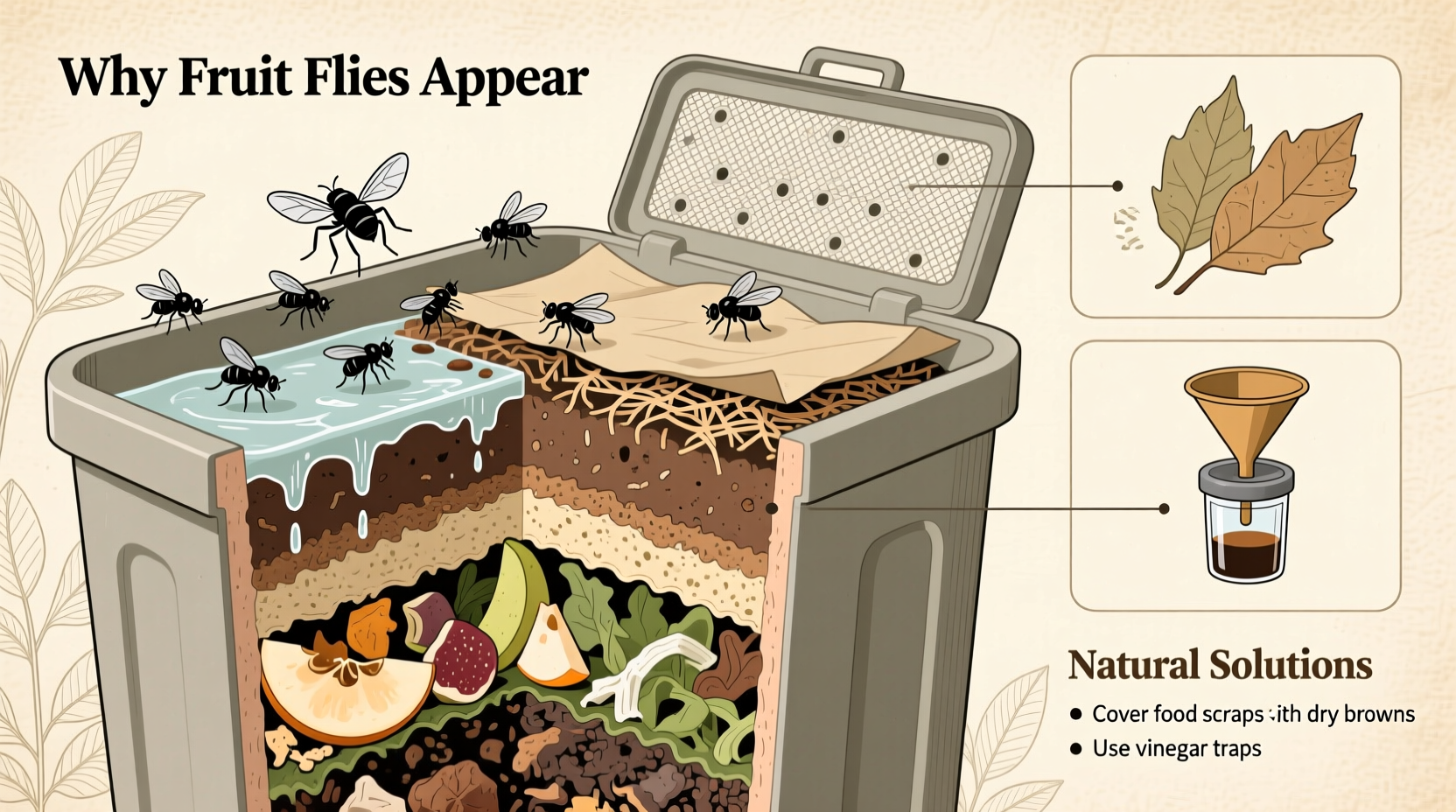
Fruit flies, primarily *Drosophila melanogaster*, are highly sensitive to the scent of fermenting sugars. They detect ethanol and acetic acid—byproducts of decomposition—through specialized olfactory receptors. Once they locate a food source, females lay up to 500 eggs on moist, rotting organic material. Within 30 hours, those eggs hatch into larvae that feed on microbes in the decomposing matter. A typical life cycle from egg to adult takes only 7–10 days under warm conditions, which explains how infestations escalate so quickly.
Your compost bin becomes a magnet for fruit flies when it contains:
- Overripe bananas, apples, melons, or citrus peels
- Vinegar-rich scraps like wine-soaked fruit or fermented leftovers
- Excess moisture creating a damp, sugary environment
- Inadequate coverage with dry \"browns\" such as leaves or shredded paper
The combination of warmth, humidity, and accessible sugars mimics their natural habitat, making your bin an irresistible target. Even indoor countertop compost pails are vulnerable, especially during summer months when ambient temperatures rise.
Natural Methods to Deter Fruit Flies in Compost Bins
Eliminating fruit flies doesn’t mean abandoning your composting routine. Instead, focus on modifying conditions that attract and sustain them. Below are proven, eco-friendly strategies that disrupt the breeding cycle and repel adults without harmful side effects.
Bury Food Scraps Under Brown Materials
One of the most effective preventive measures is proper layering. Always cover fresh kitchen waste with a thick layer (at least 2–3 inches) of carbon-rich \"browns\" such as dried leaves, straw, shredded cardboard, or non-glossy newspaper. This not only reduces odor but also limits access to the moist, sugary scraps beneath.
“Proper balance between greens and browns is key—not just for decomposition, but for pest control.” — Dr. Lena Patel, Urban Soil Scientist
Maintain Balanced Moisture Levels
A soggy compost pile encourages fruit fly activity. Ideal moisture should resemble a wrung-out sponge. If your bin feels wet or smells sour, add more dry browns and turn the contents to improve airflow. Avoid dumping large quantities of juicy produce like watermelon rinds or tomatoes unless thoroughly mixed and buried.
Use Natural Repellents Around the Bin
Certain scents deter fruit flies due to their sensitivity to essential oils. Place small sachets or cotton balls soaked in one of the following near (not inside) the compost area:
- Peppermint oil
- Eucalyptus oil
- Lemongrass oil
- Clove oil
Reapply every 3–4 days or after rain if using outdoors. These oils do not kill flies but discourage egg-laying and confuse their navigation.
Create Simple DIY Traps
Trapping adult flies reduces reproduction and breaks the lifecycle. Here’s a reliable method using household items:
- Pour 1/4 cup of apple cider vinegar into a small jar.
- Add 5 drops of liquid dish soap to break surface tension.
- Cover the top tightly with plastic wrap and secure with a rubber band.
- Poke several small holes in the plastic with a toothpick.
- Place the trap near the bin (but not directly on it).
Fruit flies enter through the holes but cannot escape due to the slippery sides and detergent-laced liquid. Replace every 3–4 days until activity declines.
Do’s and Don’ts for Fruit Fly Prevention
| Do’s | Don’ts |
|---|---|
| Do freeze scraps before composting | Don’t leave scraps exposed on the surface |
| Do mix greens with plenty of browns | Don’t add meat, dairy, or oily foods (they attract other pests too) |
| Do stir or turn compost weekly | Don’t overwater or let sludge form |
| Do use breathable covers (e.g., burlap or mesh) | Don’t seal bins airtight—composting needs oxygen |
| Do clean bin surfaces monthly | Don’t ignore early signs of infestation |
Step-by-Step Guide to Resetting an Infested Compost Bin
If your bin already has a fruit fly population, follow this timeline to regain control naturally:
- Day 1 – Isolate and Assess: Move the bin away from doors and windows. Check moisture levels and visible mold or slime.
- Day 1 – Deep Layering: Add a generous layer (3–4 inches) of dry browns on top. Mix in deeper layers if possible using a compost aerator or stick.
- Day 2 – Set Traps: Deploy 2–3 vinegar traps around the bin perimeter. Keep pets and children away from them.
- Day 3 – Sun Exposure (Outdoor Bins): If safe, open the bin and let direct sunlight hit the surface for 2–3 hours. Heat deters flies and speeds evaporation.
- Day 4 – Clean Exterior: Wipe down the outside with a solution of white vinegar and water (1:1 ratio) to remove residue that attracts flies.
- Days 5–7 – Monitor and Maintain: Continue adding browns with each new scrap addition. Turn the pile every other day to disrupt larvae.
- Day 8+ – Evaluate Results: By now, flying adults should be rare. If not, repeat trapping and consider temporarily pausing kitchen waste input for 5 days, focusing only on yard waste.
Real-Life Example: A Kitchen Composter’s Turnaround
Sarah, a home gardener in Portland, OR, began composting indoors using a sealed countertop bin. Within two weeks, she noticed persistent fruit flies despite emptying the bin weekly. She assumed the issue was her banana peels, so she stopped adding them—but the problem continued.
After researching, Sarah realized her mistake: she had been lining the bin with plastic bags and never cleaned it between uses. Residue buildup created hidden breeding zones. She switched to a glass container with a bamboo lid, started freezing scraps before disposal, and layered each addition with shredded newspaper. She also placed a clove-scented cotton ball in the lid groove.
Within ten days, the flies disappeared. Today, Sarah shares her updated system with neighbors and says, “It wasn’t the food—it was how I managed it. Now my compost smells earthy, not sour.”
FAQ: Common Questions About Fruit Flies and Composting
Can fruit flies harm my compost or plants?
No, fruit flies themselves don’t damage compost quality or spread disease to plants. However, their presence indicates imbalances—such as excess moisture or poor aeration—that could slow decomposition or attract larger pests like rodents.
Are store-bought compost bins less prone to fruit flies?
Some are better designed than others. Bins with charcoal filters, tight-fitting lids, and ventilation channels reduce odor and fly access. However, even high-end models fail if misused. Proper maintenance matters more than the container type.
Is it safe to use compost with fruit fly larvae in my garden?
Yes. If you’re using outdoor hot composting (reaching 130°F+), larvae won’t survive. In cooler systems, burying finished compost under soil prevents emergence. Alternatively, solarizing the compost by spreading it in sun-covered black plastic for 3–5 days will eliminate survivors.
Final Checklist: Keep Your Compost Fly-Free
Stay ahead of fruit flies with this actionable checklist:
- ✅ Freeze all fruit and veggie scraps for 48 hours before adding
- ✅ Always bury new waste under 2–3 inches of dry browns
- ✅ Stir or turn compost at least once per week
- ✅ Use vinegar-and-soap traps during warm months
- ✅ Clean bin interior monthly with vinegar solution
- ✅ Avoid adding overly moist or fermented foods
- ✅ Store outdoor bins in partial shade with airflow
- ✅ Monitor for early signs: single flies today mean an outbreak tomorrow
Conclusion: Turn Composting Into a Clean, Sustainable Habit
Dealing with fruit flies doesn’t mean you’ve failed at composting—it means you’re learning its nuances. Every seasoned composter has faced this challenge. By understanding what draws fruit flies and adjusting your practices accordingly, you transform a common nuisance into a manageable part of the process. Natural solutions are not only safer for your household and garden, but they also align with the very principles of sustainability that composting represents.
Start tonight: check your bin’s moisture, add some browns, and set a simple trap. Small actions compound into lasting results. Before long, you’ll enjoy nutrient-rich compost without sharing it with uninvited guests.




 浙公网安备
33010002000092号
浙公网安备
33010002000092号 浙B2-20120091-4
Comments
No comments yet. Why don't you start the discussion?