
Dogs eat grass more often than many owners realize. While it may seem odd or even concerning, occasional grass consumption is generally normal behavior for canines. However, when your dog begins eating grass frequently—especially if accompanied by vomiting, diarrhea, or lethargy—it’s worth paying closer attention. Understanding the underlying reasons behind this habit and knowing when it might signal a health issue can help you make informed decisions about your pet’s well-being.
Grass-eating in dogs has been observed across breeds, ages, and environments. Some dogs nibble on grass casually during walks; others devour large amounts in one sitting. The behavior isn’t inherently dangerous, but persistent or compulsive grass consumption may point to dietary deficiencies, gastrointestinal discomfort, or behavioral triggers. This article breaks down the most common causes, highlights red flags, and provides practical guidance for concerned pet owners.
Common Reasons Dogs Eat Grass
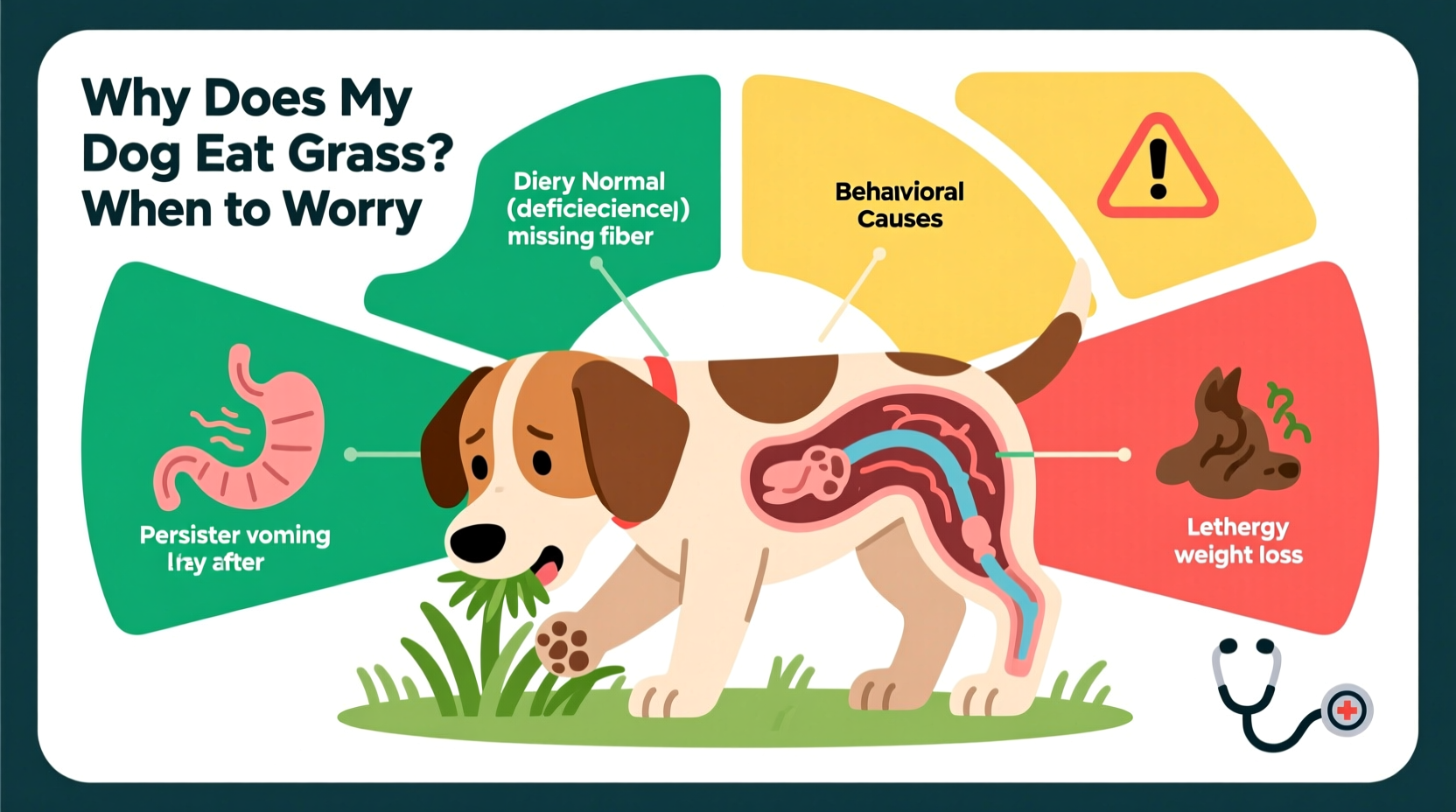
Several theories attempt to explain why dogs eat grass. While no single cause applies to every dog, research and veterinary observations suggest multiple contributing factors:
- Natural Instinct: Despite being domesticated, dogs retain instincts from their wild ancestors. Canids in the wild often consume plant material found in prey stomachs or directly from the environment. Grass may fulfill a primal urge to ingest fibrous plant matter.
- Dietary Supplementation: A lack of fiber or certain nutrients in commercial diets may prompt dogs to seek roughage elsewhere. Grass offers insoluble fiber that supports digestion and bowel regularity.
- Upset Stomach Relief: Some dogs appear to eat grass when feeling nauseous, possibly using it as a self-induced emetic. The theory suggests that grass irritates the stomach lining, triggering vomiting to expel irritants or excess bile.
- Boredom or Anxiety: Behavioral motivations are common, especially in high-energy or under-stimulated dogs. Chewing grass may serve as a displacement activity during times of stress or monotony.
- Taste and Texture Preference: Not all grass-eating is medically driven. Many dogs simply enjoy the taste or sensation of fresh grass, particularly in spring and early summer when it’s tender and lush.
When Grass-Eating Signals a Health Concern
While occasional grass consumption is typically benign, certain patterns should raise concern. Veterinarians emphasize that the key lies not in the act itself, but in accompanying symptoms and behavioral shifts.
A 2007 study published in Applied Animal Behaviour Science surveyed over 1,500 dog owners and found that 79% of dogs had eaten grass at some point. Only 9% showed signs of illness beforehand, and just 22% vomited afterward—suggesting that grass eating is not primarily linked to sickness.
However, when grass consumption becomes compulsive or ritualistic—such as daily grazing, frantic chewing, or obsession with specific types of grass—it may reflect an underlying problem. Watch for these warning signs:
- Eating large quantities of grass rapidly
- Frequent vomiting (especially with blood or bile)
- Diarrhea or constipation lasting more than 24 hours
- Lethargy, drooling, or loss of appetite
- Straining to defecate or signs of abdominal pain
- Weight loss despite normal food intake
“Grass eating is rarely dangerous on its own, but sudden changes in frequency or associated symptoms warrant evaluation. It could be masking pancreatitis, inflammatory bowel disease, or intestinal parasites.” — Dr. Lena Reyes, DVM, Small Animal Internal Medicine Specialist
Do’s and Don’ts: Managing Your Dog’s Grass Consumption
Not all grass is safe for dogs. Lawns treated with pesticides, herbicides, or fertilizers pose serious health risks. Additionally, toxic plants like foxglove or daffodils may grow among grass, increasing danger.
| Do’s | Don’ts |
|---|---|
| Allow access to clean, untreated grass in moderation | Let your dog graze on chemically treated lawns |
| Provide high-fiber dog foods if deficiency is suspected | Assume vomiting after grass means your dog is “trying to get rid of something” |
| Offer safe chew alternatives like wheatgrass or pet-safe greens | Scold or punish your dog for eating grass—it may increase anxiety |
| Monitor for changes in frequency or digestive symptoms | Ignore persistent vomiting or appetite changes |
| Consult your vet before making diet changes | Use over-the-counter remedies without professional advice |
Step-by-Step Guide: What to Do If Your Dog Eats Grass Frequently
If your dog’s grass-eating habits concern you, follow this structured approach to assess and address the issue:
- Observe the Pattern: Note how often your dog eats grass, the amount consumed, and whether vomiting follows. Keep a log for at least one week.
- Check the Environment: Ensure your yard or walking areas are free of chemicals and toxic plants. Consider switching to organic lawn care if possible.
- Review Diet Quality: Evaluate your dog’s current food. Is it high in fillers like corn or soy? Does it contain adequate fiber? Consult your vet about upgrading to a balanced, species-appropriate diet.
- Address Behavioral Needs: Increase mental stimulation through puzzle toys, training sessions, and longer walks. Boredom-related grass eating often improves with enrichment.
- Schedule a Veterinary Check-Up: If grass consumption persists or worsens, schedule a wellness exam. Your vet may recommend fecal testing, blood work, or imaging to rule out GI disorders.
- Try a Safe Alternative: Introduce indoor wheatgrass kits designed for pets. These provide a controlled source of greenery and reduce exposure to contaminants.
- Monitor After Changes: Track improvements over 2–4 weeks. If symptoms persist, further diagnostics may be necessary.
Mini Case Study: Max, the Labrador Who Wouldn’t Stop Eating Grass
Max, a 3-year-old male Labrador Retriever, began eating grass obsessively during morning walks. His owner, Sarah, noticed he would lunge at lawns and sometimes vomit afterward. Initially dismissing it as a quirk, she grew concerned when Max started losing weight and avoiding meals.
After ruling out parasites and dietary indiscretion, Max’s veterinarian performed blood tests and discovered elevated pancreatic enzymes. He was diagnosed with mild chronic pancreatitis, likely exacerbated by a high-fat diet. The grass-eating behavior was interpreted as a response to nausea and gastric irritation.
With a switch to a low-fat prescription diet, anti-nausea medication, and increased mental engagement through agility training, Max’s grass consumption decreased significantly within three weeks. By addressing the root medical issue, his overall health improved, and the compulsive behavior resolved.
This case illustrates how seemingly minor habits can mask deeper conditions—and why timely veterinary input matters.
FAQ: Common Questions About Dogs Eating Grass
Is it normal for dogs to eat grass?
Yes, it’s very common and usually harmless. Most dogs who eat grass do so without adverse effects. As long as it’s occasional and not linked to illness, it’s considered a normal canine behavior.
Should I stop my dog from eating grass?
Not necessarily. Prevent access only if the grass is treated with chemicals or if your dog consistently vomits or shows other signs of illness. Otherwise, moderation is key. Offering safer alternatives can reduce risks.
Can eating grass cause intestinal blockages?
It’s extremely rare. Grass is mostly digestible and passes through the system easily. However, ingesting large amounts of tough, dry grass or contaminated material could potentially lead to digestive upset, though true obstructions are uncommon.
Conclusion: Know Your Dog, Trust Your Instincts
Dogs eating grass is a widespread behavior with varied explanations—from instinctual drives to subtle health signals. For most pets, it’s a benign habit requiring no intervention. But when frequency increases or coincides with vomiting, diarrhea, or behavioral changes, it’s time to investigate further.
The best approach combines observation, environmental safety, nutritional balance, and proactive veterinary care. You know your dog better than anyone. If something feels off—even if it’s “just grass”—don’t hesitate to seek professional insight.




 浙公网安备
33010002000092号
浙公网安备
33010002000092号 浙B2-20120091-4
Comments
No comments yet. Why don't you start the discussion?