
Dogs eating grass is a common behavior observed by pet owners across the world. While it may seem odd or even concerning, especially when your dog gobbles down blades like a grazing cow, this habit is typically not dangerous. However, understanding whether your dog is eating grass due to instinctual drives or as a sign of gastrointestinal distress can help you make informed decisions about their health and well-being. This article explores the science behind canine grass consumption, evaluates possible causes, and provides actionable advice for concerned pet owners.
The Science Behind Grass-Eating in Dogs
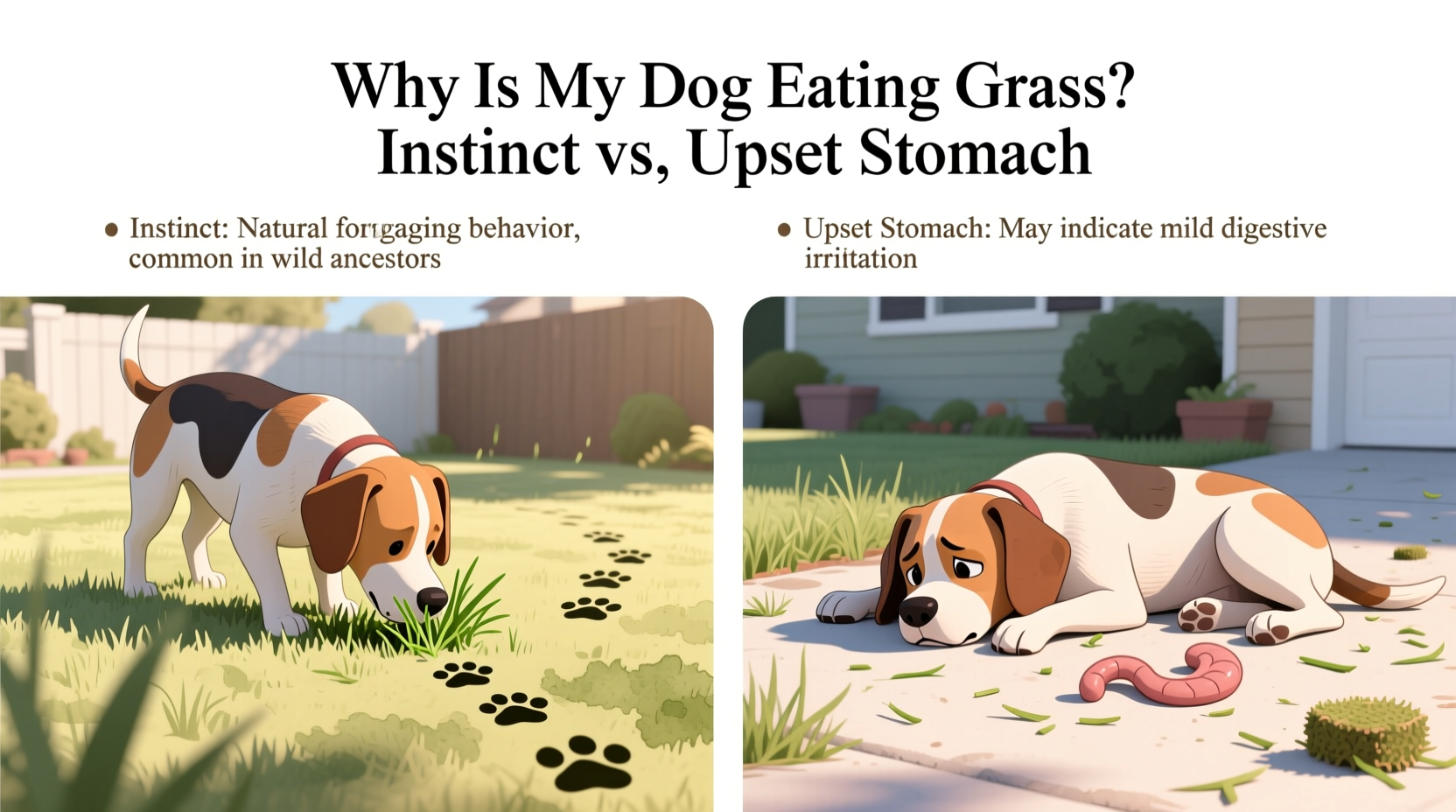
Grass-eating, or \"pica\" when referring to non-food items, is not exclusive to dogs. Many animals consume plant material despite not being herbivores. In fact, studies suggest that over 70% of dogs regularly eat grass, often without showing any signs of illness before or after. A landmark study published in Applied Animal Behaviour Science surveyed over 1,500 dog owners and found that most dogs eat grass on a daily or weekly basis, with fewer than 10% appearing unwell beforehand.
This suggests that grass consumption is more likely a normal, possibly instinctive behavior rather than a symptom of illness. Researchers believe that this action could be inherited from wild ancestors—wolves and other canids—who consumed plant matter through the stomach contents of prey or directly from the environment. Plant material can aid digestion, act as a natural dewormer, or simply satisfy a dietary fiber need.
Instinctual Behavior: Is Grass Part of a Dog’s Natural Diet?
Dogs are classified as omnivores, though they lean toward carnivory. Their digestive systems are adapted to process meat efficiently, but they can also digest plant-based materials. In the wild, canids consume entire prey animals, including stomach contents filled with grasses and herbs. This incidental ingestion may have contributed to an evolutionary tolerance—and even preference—for certain plant fibers.
Modern domesticated dogs retain many of these ancestral behaviors. Chewing on grass may fulfill several instinctual purposes:
- Dietary supplementation: Grass adds roughage, which supports bowel movement and gut motility.
- Natural foraging drive: Dogs enjoy using their mouths and noses to explore environments; chewing grass satisfies mental stimulation needs.
- Parasite control hypothesis: Some researchers propose that consuming fibrous plants increases intestinal transit speed, potentially expelling internal parasites—a survival advantage in the wild.
In households where dogs are fed high-quality commercial diets, nutritional deficiencies are rare. Yet, the urge to graze persists, suggesting that the behavior is more behavioral than physiological in most cases.
“Grass eating in dogs is largely normal and likely rooted in evolutionary history. It doesn’t automatically indicate illness.” — Dr. Karen Becker, Integrative Veterinarian
When Grass Eating Signals an Upset Stomach
While instinct plays a major role, there are times when grass consumption is linked to gastrointestinal discomfort. Unlike routine grazing, this type of behavior tends to be frantic, excessive, or followed by vomiting. The key is observing patterns and associated symptoms.
Some dogs may eat grass to induce vomiting when experiencing nausea or bloating. The coarse texture of grass can tickle the throat or stomach lining, triggering a gag reflex. However, research shows that only about 25% of dogs vomit after eating grass, and of those, less than 10% show signs of illness beforehand. This weak correlation implies that while some dogs may use grass as a self-medicating tool, it's not the primary reason for most.
Warning signs that grass eating may stem from digestive issues include:
- Rapid, obsessive consumption (not casual nibbling)
- Repeated attempts to vomit
- Excessive drooling or lip-licking before eating grass
- Lethargy, diarrhea, or loss of appetite
- Changes in usual eating habits
Case Study: Max, the Labrador with Sudden Grass Cravings
Max, a 4-year-old Labrador Retriever, began eating large amounts of grass every morning, often retching afterward. His owner, Sarah, initially dismissed it as quirky behavior. But when Max started refusing meals and became unusually tired, she consulted her veterinarian. Blood work revealed elevated liver enzymes and a mild case of pancreatitis, likely triggered by dietary indiscretion (he had raided the trash the week prior).
After treatment and a switch to a low-fat diet, Max’s grass-eating behavior decreased significantly. This example illustrates how persistent, intense grass consumption—especially when paired with other symptoms—can signal underlying health concerns requiring professional evaluation.
Environmental and Behavioral Factors Influencing Grass Consumption
Beyond biology and health, a dog’s environment and mental state play crucial roles in grass-eating tendencies. Boredom, anxiety, and lack of stimulation often manifest in repetitive behaviors, including grazing.
Dogs kept in urban environments with limited access to natural stimuli may turn to grass out of curiosity or stress relief. Similarly, puppies and young dogs frequently chew on grass during exploration phases, much like they mouth toys or furniture.
Consider these behavioral triggers:
- Boredom: Dogs left alone in yards may eat grass simply because there’s nothing else to do.
- Anxiety: Separation anxiety or noise phobias can lead to displacement behaviors, such as licking, pacing, or grass consumption.
- Attention-seeking: If a dog learns that eating grass gets a reaction (even scolding), the behavior may be reinforced.
Safe vs. Unsafe Grass: What Pet Owners Must Know
Not all grass is safe for dogs. Lawns treated with pesticides, herbicides, or fertilizers can pose serious health risks. Additionally, public parks or roadside areas may contain contaminants like motor oil, animal feces, or toxic plants mixed in with the grass.
| Grass Type | Safety Level | Notes |
|---|---|---|
| Untreated backyard lawn | High | Best option if free of toxic plants (e.g., foxglove, daffodils) |
| Public park grass | Medium | Risk of chemical exposure or parasites from other animals’ waste |
| Roadside or industrial area grass | Low | Avoid—likely contaminated with heavy metals or toxins |
| Indoor wheatgrass or oat grass (grown at home) | Very High | Safe alternative for indoor dogs or those with sensitivities |
Step-by-Step Guide: Evaluating and Managing Your Dog’s Grass-Eating Habit
If you're concerned about your dog’s grass consumption, follow this systematic approach to determine whether intervention is needed:
- Observe the behavior closely: Note when, where, and how intensely your dog eats grass. Is it occasional nibbling during walks or frantic gulping in the yard?
- Monitor for symptoms: Track appetite, energy levels, stool consistency, and vomiting episodes over a week.
- Assess diet quality: Ensure your dog is receiving balanced nutrition. Consult your vet about fiber content and ingredient suitability.
- Check the environment: Eliminate access to chemically treated lawns or contaminated areas.
- Enhance mental stimulation: Introduce new toys, scent games, or obedience training to reduce boredom-related grazing.
- Consult your veterinarian: If the behavior is new, escalating, or accompanied by illness signs, schedule a check-up to rule out medical causes.
Common Misconceptions About Dogs Eating Grass
Several myths persist about why dogs eat grass, often leading to unnecessary worry or misguided interventions:
- Myth: Dogs eat grass because they’re deficient in nutrients.
Reality: Most commercial diets are nutritionally complete. While fiber may play a role, true deficiencies are uncommon in healthy dogs on balanced diets. - Myth: Eating grass always leads to vomiting.
Reality: The majority of dogs do not vomit after eating grass. Vomiting is the exception, not the rule. - Myth: Grass eating is dangerous.
Reality: Grass itself isn’t harmful—but contaminated grass or excessive consumption can be problematic.
Frequently Asked Questions
Is it normal for puppies to eat grass?
Yes, it’s very common. Puppies explore the world through their mouths, and grass is readily available. As long as the grass is clean and the puppy remains healthy, this behavior is generally harmless and often diminishes with age.
Should I stop my dog from eating grass?
Not necessarily. If your dog eats grass casually and shows no signs of illness, intervention isn’t required. However, if the behavior is obsessive or occurs in unsafe environments, redirection and environmental management are recommended.
Can I give my dog grass on purpose?
Yes. Growing pet-safe grass like wheatgrass or barley grass indoors provides a controlled, chemical-free option. These sprouts are rich in chlorophyll and fiber, and many dogs enjoy them as a healthy snack.
Action Plan: When and How to Respond
Use this checklist to assess and manage your dog’s grass-eating behavior effectively:
- ✅ Observe frequency and intensity of grass consumption
- ✅ Check for vomiting, diarrhea, or lethargy
- ✅ Inspect your lawn for pesticides or toxic substances
- ✅ Review your dog’s current diet with a veterinarian
- ✅ Provide mental enrichment and physical activity
- ✅ Consider growing indoor pet grass as a safe alternative
- ✅ Schedule a vet visit if behavior changes suddenly or worsens
Conclusion: Balancing Instinct and Health Awareness
Dogs eating grass is a complex behavior shaped by evolution, environment, and individual temperament. For most dogs, it’s a harmless, instinct-driven habit with no underlying health implications. However, sudden changes in behavior—such as aggressive grazing, frequent vomiting, or signs of discomfort—should prompt closer evaluation and veterinary consultation.
By understanding the distinction between normal instinct and potential distress signals, you can respond appropriately without overreacting. Focus on providing a safe environment, a nutritious diet, and ample mental stimulation. With thoughtful observation and proactive care, you can ensure your dog’s grass-eating habit remains just another quirky part of their personality—not a red flag.




 浙公网安备
33010002000092号
浙公网安备
33010002000092号 浙B2-20120091-4
Comments
No comments yet. Why don't you start the discussion?