
Dogs use their mouths and tongues as tools for exploration, grooming, and communication. Occasional paw licking is a natural part of self-cleaning behavior. However, when the licking becomes constant, intense, or focused on one paw, it may signal an underlying issue. Persistent paw licking can range from mild irritation to serious medical conditions. Understanding the causes, recognizing warning signs, and knowing when to act are essential for maintaining your dog’s health and comfort.
Common Reasons Dogs Lick Their Paws
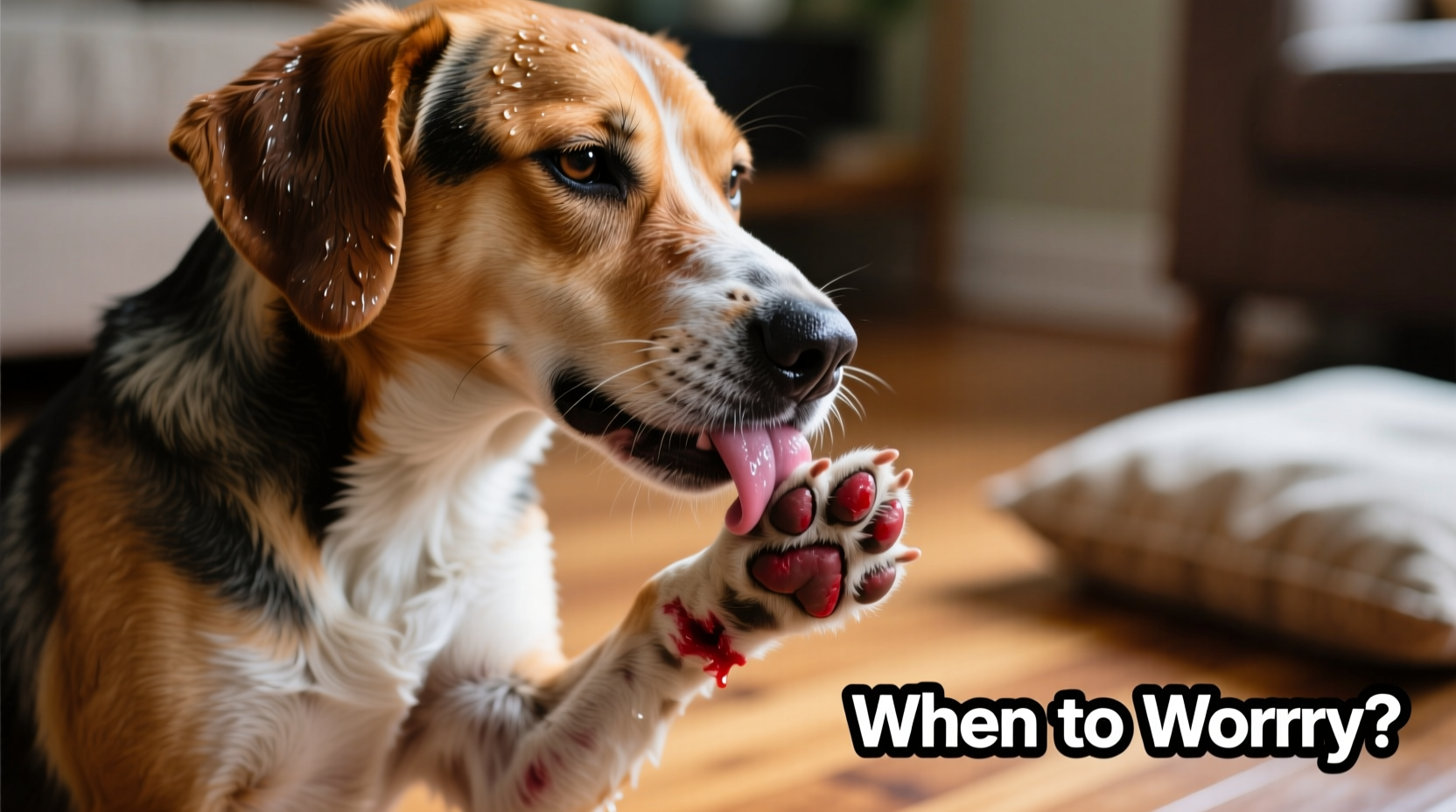
Paw licking is not always a cause for alarm. In fact, many reasons behind this behavior are benign and easily addressed. The key is distinguishing between routine grooming and compulsive or painful licking.
- Allergies: Environmental allergens (pollen, dust mites, mold) or food sensitivities often manifest through skin irritation, particularly in the paws. Dogs may lick to soothe itching caused by allergic reactions.
- Foreign Objects: Splinters, burrs, sand, or small stones trapped between the toes can prompt persistent licking as the dog attempts to remove the irritant.
- Dry or Cracked Pads: Weather changes, especially cold winters or hot pavement, can dry out paw pads, leading to discomfort and licking.
- Boredom or Anxiety: Dogs left alone for long periods may develop compulsive behaviors like excessive licking as a form of self-soothing or attention-seeking.
- Infections: Bacterial or yeast infections between the toes or on the paw pads often cause itchiness and inflammation, prompting dogs to lick repeatedly.
- Joint Pain or Injury: Arthritis or soft tissue injuries can make dogs focus on a specific paw, even if the pain originates higher up the leg.
When Should You Be Concerned?
Not all paw licking requires immediate veterinary intervention, but certain signs indicate a problem that needs professional evaluation. The frequency, duration, and physical consequences of the behavior matter significantly.
Be alert if your dog exhibits any of the following:
- Licking one paw much more than others
- Redness, swelling, or discharge around the toes or pads
- Chewed or raw skin, hair loss, or open sores
- Limping or reluctance to bear weight on a paw
- Licking that continues for hours each day
- Changes in appetite, energy, or mood alongside the licking
If the behavior persists beyond a few days or worsens despite home monitoring, a veterinary consultation is warranted. Chronic licking can lead to secondary complications such as hot spots, deep skin infections, or acral lick dermatitis—a condition where relentless licking creates a hard, irritated lesion that resists healing.
“Excessive licking is rarely just a habit. It’s usually the body’s way of signaling discomfort—whether physical or emotional.” — Dr. Laura Simmons, DVM, Veterinary Behavior Specialist
Step-by-Step Guide: Assessing and Responding to Excessive Paw Licking
Follow this practical sequence to determine whether your dog’s paw licking is harmless or requires intervention.
- Inspect the Paws Closely: Gently spread the toes and examine between them. Look for thorns, cuts, swelling, embedded debris, or discoloration. Use a flashlight if needed.
- Clean the Area: Wash the paws with lukewarm water and a mild pet-safe cleanser. Dry thoroughly, especially between the toes, to prevent moisture buildup that encourages yeast growth.
- Monitor Duration and Pattern: Track how often and how long your dog licks. Note if it happens more at night, when alone, or after meals or walks.
- Check for Other Symptoms: Look for signs of ear infections (common in allergic dogs), sneezing, scratching elsewhere, or digestive issues like diarrhea.
- Eliminate Obvious Triggers: Remove potential allergens like new cleaning products, grass treatments, or dietary changes. Consider switching to hypoallergenic shampoo.
- Prevent Access Temporarily: Use an Elizabethan collar or soft recovery suit to stop further licking and allow irritated skin to heal while you investigate causes.
- Schedule a Vet Visit: If no improvement within 48–72 hours, or if symptoms worsen, seek veterinary advice. Diagnostic tests may include skin scrapings, allergy panels, or X-rays.
Do’s and Don’ts: Managing Paw Licking at Home
| Do’s | Don’ts |
|---|---|
| Wipe paws after walks to remove allergens | Ignore persistent redness or swelling |
| Use paw balms for dry or cracked pads | Apply human creams or ointments without vet approval |
| Provide mental stimulation and exercise | Yell at or punish your dog for licking |
| Rotate toys and introduce puzzle feeders | Allow access to known irritants like treated lawns |
| Keep nails trimmed to reduce pressure on pads | Delay vet visits when infection is suspected |
Real Example: Bella the Border Collie
Bella, a 4-year-old Border Collie, began obsessively licking her right front paw after moving to a rural property. Her owner initially dismissed it as adjustment behavior. Over three weeks, the paw became swollen and hairless, and Bella started limping. A vet visit revealed a deep bacterial infection caused by a tiny piece of foxtail grass lodged between her toes. After removal and a course of antibiotics, the licking stopped. Further investigation showed Bella also had environmental allergies, which were managed with antihistamines and regular paw rinses. This case highlights how a minor irritant can escalate quickly without timely intervention.
Understanding Allergies and Behavioral Causes
Allergies are among the most common triggers of chronic paw licking. Unlike humans who react with respiratory symptoms, dogs often display allergies through their skin—a condition known as atopic dermatitis. Common allergens include:
- Tree, grass, and weed pollens
- Dust mites and indoor molds
- Proteins in beef, chicken, dairy, or grains
Diagnosing food allergies typically involves an elimination diet lasting 8–12 weeks, during which your dog eats a novel protein source (like venison or duck) with no other treats or supplements.
On the behavioral side, anxiety-related licking often follows a pattern tied to isolation, loud noises, or household changes. Some dogs develop obsessive-compulsive tendencies, similar to humans with repetitive behaviors. These cases benefit from environmental enrichment, consistent routines, and sometimes anti-anxiety medication under veterinary supervision.
Prevention Checklist
Use this checklist to minimize the risk of chronic paw licking:
- ✅ Wipe paws with a damp cloth after every walk
- ✅ Keep nails trimmed monthly
- ✅ Bathe with hypoallergenic shampoo every 4–6 weeks
- ✅ Rotate protein sources in your dog’s diet to prevent sensitivities
- ✅ Provide daily mental and physical exercise
- ✅ Inspect paws weekly for cracks, thorns, or swelling
- ✅ Use booties in extreme weather or on rough terrain
- ✅ Schedule annual vet checkups, including skin assessments
Frequently Asked Questions
Is it safe to let my dog lick its paws occasionally?
Yes, light grooming is normal. Dogs clean dirt and debris from their paws naturally. However, if licking becomes frequent, focused, or lasts more than a few minutes at a time, it may indicate a problem.
Can stress really cause a dog to lick its paws?
Absolutely. Stress and anxiety can manifest physically. Dogs may lick as a calming mechanism, especially when left alone, during storms, or in chaotic households. Addressing the root cause—through training, environmental changes, or medication—can resolve the behavior.
What treatments are available for chronic paw licking?
Treatment depends on the cause. Options include antifungal or antibiotic medications for infections, allergy testing and immunotherapy, dietary changes for food sensitivities, or behavioral therapy for anxiety. In severe cases, veterinarians may prescribe anti-inflammatory drugs or recommend laser therapy for stubborn lesions.
Conclusion: Listen to What Your Dog Is Telling You
Excessive paw licking is more than a quirky habit—it’s a message. Whether it’s an itchy allergy, a hidden injury, or silent anxiety, your dog relies on you to interpret the signs and respond with care. Early attention can prevent minor issues from becoming chronic conditions. By staying observant, acting promptly, and partnering with your veterinarian, you can ensure your dog remains comfortable, healthy, and happy.




 浙公网安备
33010002000092号
浙公网安备
33010002000092号 浙B2-20120091-4
Comments
No comments yet. Why don't you start the discussion?