
Reverse sneezing in dogs is a common but often alarming experience for pet owners. Unlike regular sneezing, where air is forcefully expelled outward, reverse sneezing involves rapid inhalation through the nose, producing a loud, snorting sound that can resemble choking or gasping. While it may look distressing, most episodes are harmless and resolve on their own. Understanding why it happens and how to respond can ease anxiety for both you and your dog.
What Is Reverse Sneezing in Dogs?
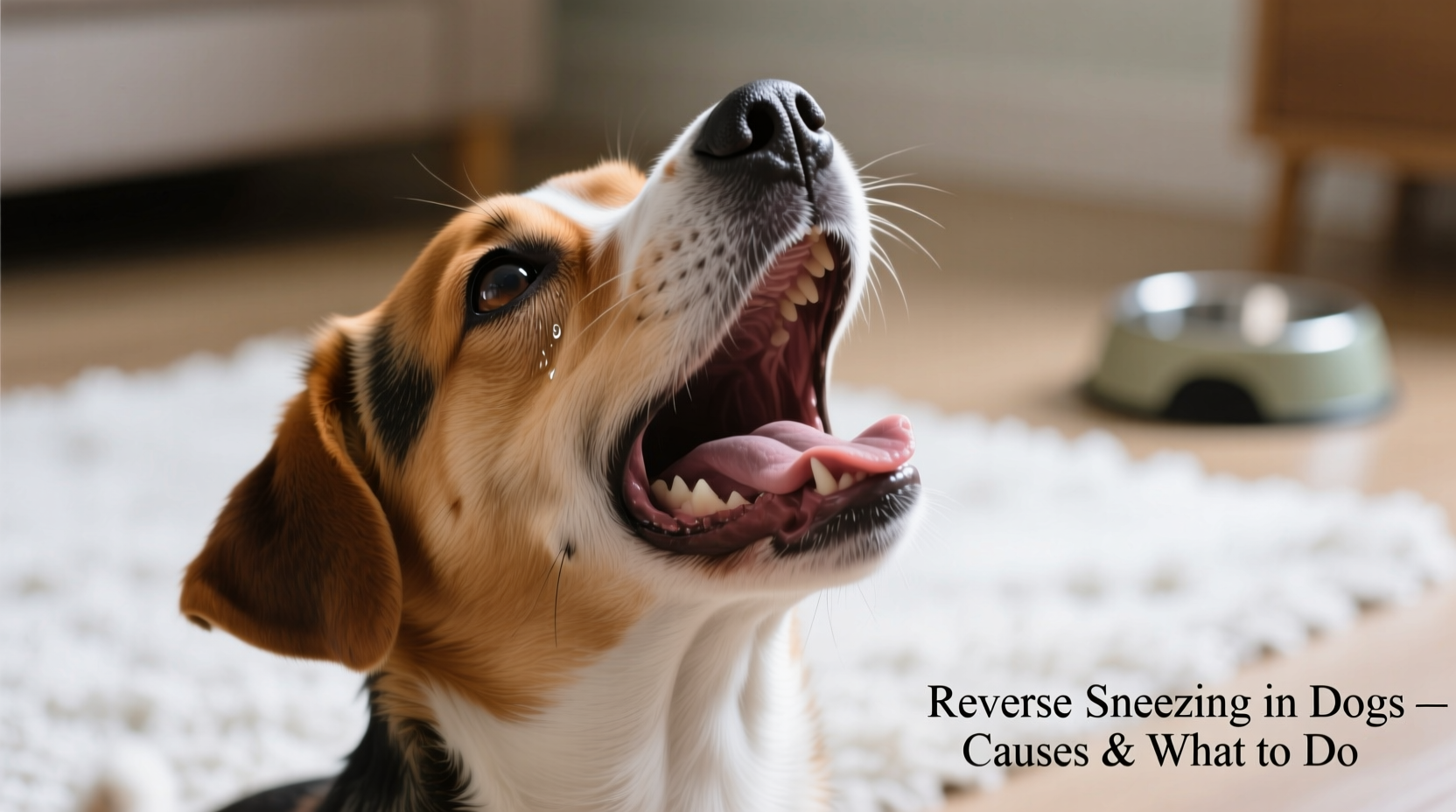
Reverse sneezing—also known as paroxysmal respiration—is a sudden, involuntary spasm of the throat and soft palate triggered by irritation in the nasal passages or pharynx. During an episode, your dog will typically stand still, extend their head and neck, and make repeated forceful inward breaths through the nose. The sound is often described as a honking or snorting noise and can last from a few seconds to over a minute.
It’s more common in small breeds and brachycephalic (short-nosed) dogs like Pugs, Bulldogs, Shih Tzus, and Yorkshire Terriers due to their narrower airways, but any dog can experience it. Episodes usually end spontaneously and don’t require medical intervention unless they become frequent or severe.
Common Causes of Reverse Sneezing
Several irritants and conditions can trigger reverse sneezing. Identifying potential causes helps reduce frequency and determine if veterinary evaluation is needed. Common triggers include:
- Allergies: Pollen, dust, mold, or household cleaners can irritate nasal passages.
- Excitement or Overexertion: Sudden bursts of energy or play can initiate spasms.
- Nasal Irritants: Perfumes, smoke, strong odors, or air fresheners.
- Foreign Objects: Grass seeds, mites, or debris lodged in the nasal cavity.
- Anatomical Factors: Elongated soft palate or narrow trachea, especially in brachycephalic breeds.
- Sudden Temperature Changes: Cold air entering warm nasal passages.
- Over-tight Collars: Pressure on the neck and trachea can provoke irritation.
“Reverse sneezing is usually benign, but persistent or worsening episodes should prompt a vet visit to rule out underlying respiratory issues.” — Dr. Laura Bennett, DVM, Small Animal Specialist
What to Do When Your Dog Reverse Sneezes
Most reverse sneezing episodes are brief and self-limiting. However, there are practical steps you can take to help your dog recover quickly and comfortably.
Step-by-Step Guide to Managing an Episode
- Stay Calm: Your reaction influences your dog. Speak softly and avoid panicking.
- Comfort Your Dog: Gently stroke their throat or chest to help relax the muscles.
- Hold the Snout Gently: Close your dog’s mouth with one hand and lightly massage the throat to encourage swallowing, which can stop the spasm.
- Breathe Into Their Nose: Exhale gently into their nostrils—this often triggers a swallow reflex and ends the episode.
- Move to Fresh Air: If indoors, go outside; if outside, move to a quiet, well-ventilated area.
- Offer Water: Once the episode ends, let your dog drink to soothe the throat.
When to See a Veterinarian
While occasional reverse sneezing is normal, certain signs indicate a need for professional evaluation. Persistent, daily, or prolonged episodes could signal an underlying condition such as:
- Nasal mites or infections
- Dental disease affecting sinuses
- Polyps or tumors in the nasal passage
- Collapsing trachea
- Chronic allergies or inflammatory airway disease
| Normal Reverse Sneezing | Potential Problem – See Vet |
|---|---|
| Episodes last under 30 seconds | Episodes last longer than 1 minute |
| Occurs once every few weeks | Multiple times per day |
| Dog resumes normal activity immediately | Dog appears lethargic, coughs, or has nasal discharge |
| No visible distress after episode | Frequent gagging, coughing, or difficulty breathing |
Mini Case Study: Max the Pug
Max, a 4-year-old Pug, began experiencing reverse sneezing several times a week. His owner initially thought he was choking and rushed him to the emergency clinic twice. After recording an episode and visiting his regular vet, it was determined that Max’s episodes were triggered by dust from a new carpet cleaner used weekly at home. The vet advised switching to a fragrance-free, pet-safe cleaner and using an air purifier. Within two weeks, Max’s reverse sneezing stopped entirely. This case highlights how environmental factors can be silent triggers—and how simple changes can bring relief.
Prevention and Long-Term Management
Reducing the frequency of reverse sneezing involves minimizing exposure to irritants and supporting overall respiratory health. Consider the following preventive measures:
- Use harnesses instead of collars to reduce neck pressure.
- Avoid aerosol sprays, candles, and cigarette smoke.
- Run an air purifier in rooms where your dog spends time.
- Vacuum regularly to reduce dust and allergens.
- Monitor seasonal allergies and discuss antihistamines with your vet if needed.
- Keep your dog at a healthy weight—obesity can worsen respiratory strain.
Checklist: Reducing Reverse Sneezing Triggers
- ✅ Switch to a front-clip harness
- ✅ Eliminate scented cleaning products
- ✅ Use HEPA air filters at home
- ✅ Bathe your dog after outdoor walks during high pollen seasons
- ✅ Schedule dental checkups annually
- ✅ Record and review episodes with your vet
Frequently Asked Questions
Is reverse sneezing dangerous for my dog?
In most cases, no. Reverse sneezing is a temporary reflex and not harmful. However, if episodes increase in frequency or severity, consult your veterinarian to rule out serious conditions.
Can I prevent reverse sneezing completely?
You may not eliminate it entirely, especially in predisposed breeds, but you can significantly reduce occurrences by managing environmental triggers and maintaining good respiratory health.
Should I give my dog medication for reverse sneezing?
Only under veterinary guidance. Medications like antihistamines or anti-inflammatories may be prescribed if allergies or chronic irritation are diagnosed, but they are not routinely needed.
Conclusion
Understanding why your dog reverse sneezes empowers you to respond calmly and effectively. Most episodes are brief and benign, requiring only gentle reassurance and minor interventions. By identifying and reducing common triggers—from allergens to collar pressure—you can help your dog breathe easier and live more comfortably. If symptoms persist or worsen, timely veterinary care ensures no underlying condition goes unnoticed.




 浙公网安备
33010002000092号
浙公网安备
33010002000092号 浙B2-20120091-4
Comments
No comments yet. Why don't you start the discussion?