
Dogs scratch the carpet for a variety of reasons, ranging from instinctual habits to physical discomfort or emotional stress. While occasional pawing at a spot may seem harmless, persistent or aggressive carpet scratching can damage flooring, indicate an underlying health issue, or signal behavioral concerns. Understanding the root causes behind this behavior is essential for pet owners who want to protect their homes and ensure their dog’s well-being. This article explores the most common explanations for carpet scratching, offers actionable insights, and provides strategies to redirect or eliminate the behavior effectively.
Instinctual Behavior: The Denning and Nesting Drive
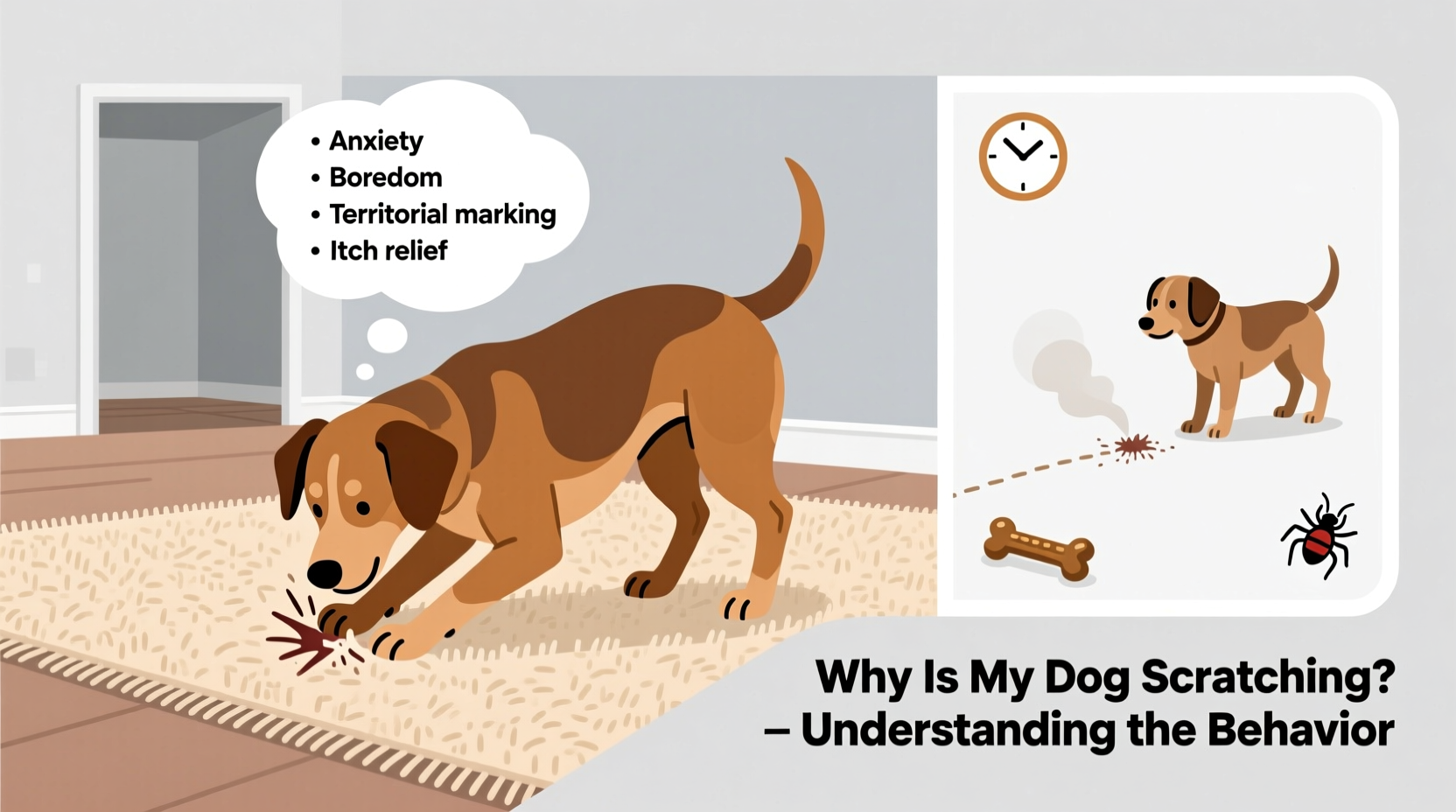
One of the primary reasons dogs scratch the carpet lies in their ancestry. Wild canines, such as wolves and foxes, dig at the ground to create comfortable sleeping areas, hide food, or regulate body temperature. This denning instinct persists in domesticated dogs, even if they’ve never seen dirt. When your dog paws at the carpet before lying down, it may be attempting to \"fluff\" its bed—smoothing out an uneven surface or marking territory through scent glands in their paws.
This behavior is especially common in breeds with strong working or hunting backgrounds, like Terriers or Huskies, who historically dug dens or burrowed into snow. It’s typically not aggressive and occurs mainly around nap times.
Medical Causes Behind Excessive Scratching
When carpet scratching becomes compulsive or is accompanied by other signs—such as licking paws, red skin, or restlessness—it may point to a medical issue. Common health-related triggers include:
- Allergies: Food, environmental, or flea allergies can cause intense itching, leading dogs to scratch any available surface, including carpets.
- Skin infections: Bacterial or fungal conditions often manifest on the paws or belly, prompting dogs to rub or scratch against fabric.
- Pain or discomfort: Arthritis or joint pain might make dogs paw at soft surfaces in an attempt to relieve stiffness or find a more comfortable position.
- Parasites: Fleas, mites, or ticks can trigger localized irritation, causing dogs to target specific spots on the floor.
If your dog suddenly starts scratching the carpet more frequently, especially if they appear distressed or are focusing on one area, a veterinary consultation is crucial. A vet can perform skin scrapings, allergy tests, or blood work to rule out underlying conditions.
“Persistent scratching, whether on furniture or floors, should never be dismissed as mere habit. It’s often the first sign of discomfort.” — Dr. Laura Simmons, DVM, Canine Behavior Specialist
Behavioral and Emotional Triggers
Beyond instinct and health, emotional factors play a significant role in carpet scratching. Dogs are highly sensitive to changes in routine, environment, or household dynamics. Common psychological causes include:
- Anxiety: Separation anxiety or noise phobias (e.g., thunderstorms, fireworks) can lead dogs to engage in repetitive behaviors like scratching as a coping mechanism.
- Boredom: Without sufficient mental stimulation or exercise, dogs may resort to destructive habits to occupy themselves.
- Attention-seeking: If scratching has previously earned attention—even negative reactions like scolding—dogs may repeat the behavior to re-engage their owners.
- Stress from change: Moving homes, new pets, or visitors can unsettle dogs, triggering displacement behaviors like pawing at carpets.
Observing when and where the scratching occurs can help identify emotional roots. For example, does it happen only when you leave the house? Or during loud TV commercials? These patterns offer clues for targeted intervention.
Mini Case Study: Max the Border Collie
Max, a 3-year-old Border Collie, began aggressively scratching the living room carpet every evening. His owner initially thought it was a bedding ritual, but the behavior escalated—Max would growl and refuse to move once he started. A vet ruled out skin issues, and a behaviorist observed that the episodes coincided with dinner prep, when the kitchen became off-limits. Max, a high-energy herding dog, was experiencing frustration due to lack of activity. After introducing puzzle feeders and structured obedience games during cooking time, the carpet scratching stopped within two weeks.
Environmental and Scent-Based Motivations
Dogs rely heavily on their sense of smell, and what seems like random scratching may actually be a response to hidden odors. Spills, urine residue, or food crumbs embedded in carpet fibers can attract a dog’s attention. Even after cleaning, residual scents may linger beneath the surface, compelling your dog to “dig” at the spot.
In multi-pet households, territorial marking can also play a role. Dogs have scent glands in their paw pads, and scratching may serve as a way to overlay their scent on top of another animal’s.
| Motivation Type | Signs to Watch For | Potential Solution |
|---|---|---|
| Instinctual | Occurs before resting, gentle pawing | Provide a cozy, diggable bed |
| Medical | Redness, licking, sudden onset | Veterinary exam and treatment |
| Emotional | Timing linked to stressors, pacing | Behavior modification, enrichment |
| Olfactory | Focus on one spot, sniffing intensely | Deep clean with enzyme-based cleaner |
| Attention-seeking | Stops when ignored, happens when owner is present | Redirect to positive behavior, avoid reinforcement |
Step-by-Step Guide to Address Carpet Scratching
Resolving carpet scratching requires a systematic approach. Follow these steps to identify and address the cause effectively:
- Observe and document: Note when, where, and how intensely your dog scratches. Record any triggers such as sounds, visitors, or routines.
- Rule out medical issues: Schedule a vet visit to check for allergies, parasites, or pain-related causes.
- Deep-clean affected areas: Use an enzymatic cleaner to eliminate lingering odors that may attract your dog back to the spot.
- Modify the environment: Block access to favorite scratching zones temporarily, or place a rug or mat with a different texture over the area.
- Introduce alternatives: Offer chew toys, dig boxes filled with shredded paper, or interactive puzzles to redirect energy.
- Reinforce calm behavior: Reward your dog with treats or praise when they lie down quietly without scratching.
- Consult a professional: If the behavior persists, seek help from a certified dog trainer or veterinary behaviorist.
Frequently Asked Questions
Is carpet scratching a sign of OCD in dogs?
Occasional scratching is normal, but repetitive, trance-like pawing that interferes with daily life could indicate compulsive disorder. This is more likely in high-strung or under-stimulated dogs. A vet or behaviorist can assess whether intervention is needed.
Can neutering or spaying reduce carpet scratching?
While not a direct fix, altering your dog may reduce territorial or hormonally influenced behaviors, including excessive marking via scratching. However, it won’t resolve scratching caused by anxiety, boredom, or medical issues.
Should I punish my dog for scratching the carpet?
No. Punishment can increase anxiety and worsen the behavior. Instead, focus on redirection and positive reinforcement. Scolding may stop the action temporarily but doesn’t teach your dog what to do instead.
Checklist: What to Do If Your Dog Scratches the Carpet
- ✅ Observe the frequency and context of the behavior
- ✅ Schedule a veterinary check-up
- ✅ Clean carpets with an enzymatic odor eliminator
- ✅ Provide a designated digging or nesting area
- ✅ Increase daily physical and mental exercise
- ✅ Avoid reinforcing the behavior with attention
- ✅ Consult a professional if the problem continues
Conclusion: Turning Insight Into Action
Carpet scratching in dogs is rarely just about the carpet. It’s a form of communication—a clue into your dog’s physical comfort, emotional state, or natural instincts. By approaching the behavior with curiosity rather than frustration, you can uncover the real reason behind the paws and take meaningful steps to address it. Whether it’s upgrading your dog’s bed, scheduling a vet visit, or enriching their daily routine, small changes can lead to big improvements in both behavior and bond.




 浙公网安备
33010002000092号
浙公网安备
33010002000092号 浙B2-20120091-4
Comments
No comments yet. Why don't you start the discussion?