
Dogs are naturally social animals, but when a normally independent or balanced pet becomes suddenly clingy—following you from room to room, whining at the door, or refusing to settle—it’s often a sign that something deeper is going on. While affectionate behavior can be endearing, sudden changes in attachment levels usually point to underlying stress, particularly separation anxiety. Understanding the root causes, recognizing early signs, and taking proactive steps can make a significant difference in your dog’s emotional well-being—and yours.
Separation anxiety isn’t just about missing their owner; it’s a clinical condition marked by intense distress when left alone. It affects dogs of all breeds, ages, and backgrounds. The key lies in identifying what triggered the shift and responding with patience, consistency, and targeted intervention.
Understanding Clinginess vs. Normal Affection
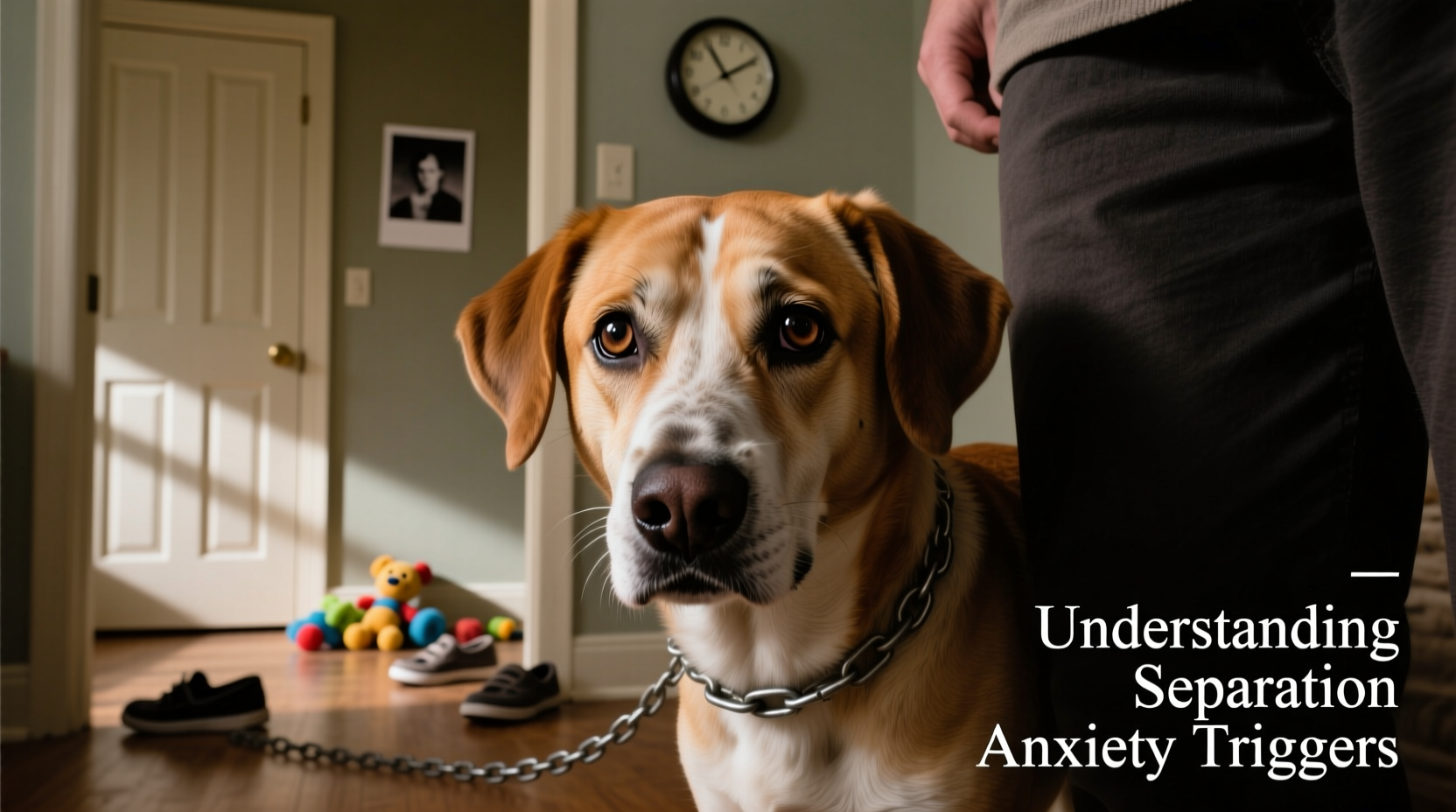
Not all close-following behavior indicates a problem. Some breeds, like Border Collies or Cavalier King Charles Spaniels, are naturally more attached. However, a sudden change in behavior—especially if accompanied by destructive tendencies, excessive vocalization, or house soiling—is a red flag.
Clinginess becomes concerning when it interferes with daily life. For example:
- Your dog paces or trembles when you pick up your keys.
- They bark or howl within minutes of you leaving the room—even briefly.
- They refuse food or treats when you’re not present, despite being hungry.
- Symptoms only subside when you return.
This pattern suggests dependency rooted in fear, not just companionship.
Common Triggers of Sudden Clinginess
Dogs don’t develop separation anxiety overnight without cause. Life changes, health issues, or environmental shifts often act as catalysts. Recognizing these triggers helps in tailoring an effective response.
Lifestyle Changes
The most frequent trigger is a disruption in routine. Dogs thrive on predictability. Events such as:
- Returning to work after remote employment
- A family member moving out
- Changes in feeding or walking schedules
…can destabilize a dog’s sense of security. A study published in *Applied Animal Behaviour Science* found that dogs exhibited higher stress markers when household routines were altered abruptly.
Past Trauma or Rehoming
Dogs adopted from shelters or rescue situations may have experienced abandonment or inconsistent care. Even if they appeared adjusted initially, certain cues—like packing bags or prolonged absences—can reactivate past trauma.
“Dogs remember emotional experiences more than events. A single incident of being left behind can create lasting associations.” — Dr. Karen Overall, Veterinary Behaviorist
Health-Related Causes
Sudden clinginess can also signal physical discomfort. Older dogs with cognitive decline (Canine Cognitive Dysfunction) may become disoriented when alone. Similarly, pain from arthritis or gastrointestinal issues can heighten dependency.
If your dog has never shown anxiety before but now shadows you constantly, consult a veterinarian to rule out medical conditions.
Over-Attachment Reinforcement
Well-meaning owners sometimes unintentionally reinforce clingy behavior. Constant petting during anxious moments, allowing dogs on furniture every time they whine, or avoiding departures altogether teaches the dog that anxiety leads to attention.
Do’s and Don’ts When Managing Clinginess
| Do | Don’t |
|---|---|
| Maintain consistent daily routines | Yell at or punish your dog for anxious behaviors |
| Practice short, calm departures and returns | Make goodbyes long or emotional |
| Use puzzle toys or treat dispensers when leaving | Leave your dog with nothing to do |
| Gradually increase alone time | Rush progress—weeks or months may be needed |
| Seek professional help early | Wait until destruction or self-injury occurs |
Step-by-Step Guide to Reducing Separation Anxiety
Reconditioning a dog with separation anxiety requires structure, repetition, and empathy. Follow this timeline-based approach to build confidence gradually.
- Baseline Assessment (Days 1–3): Monitor your dog’s behavior. Note when anxiety starts, duration, and intensity. Use video recordings if possible.
- Desensitize Departure Cues (Days 4–10): Practice actions that typically precede leaving—putting on shoes, picking up keys, opening the door—but don’t actually leave. Repeat multiple times daily until your dog shows no reaction.
- Short Alone Sessions (Weeks 2–3): Leave the house for 30 seconds to 2 minutes while your dog is distracted with a stuffed Kong. Gradually extend to 5, then 10 minutes. Always leave calmly and return quietly.
- Increase Duration Slowly (Weeks 4–8): Work up to 30-minute absences. Avoid skipping intervals—jumping from 5 to 20 minutes often resets progress.
- Introduce Environmental Changes (Ongoing): Vary departure times, use different doors, or wear different clothing to prevent associative learning.
- Enlist Professional Support (Anytime): If progress stalls, consult a certified veterinary behaviorist or trainer experienced in anxiety cases.
Patience is critical. Rushing the process can deepen fear. Celebrate small wins: if your dog settles for two minutes longer than before, that’s progress.
Real-Life Example: Max, the Rescue Terrier
Max, a 4-year-old Jack Russell Terrier, was adopted after spending eight months in a high-kill shelter. Initially energetic but confident, he began following his owner, Sarah, everywhere six months after adoption. He’d bark frantically when she went into the bathroom and chewed through a bedroom door when left alone.
After a vet ruled out medical issues, Sarah worked with a behavior consultant. They discovered Max associated the sound of zipping a backpack with past abandonment. The solution?
- She began zipping her bag repeatedly throughout the day without leaving.
- She fed Max meals exclusively in a crate with a peanut butter-stuffed toy, building positive crate associations.
- She started leaving for 20 seconds at random times, gradually increasing duration over seven weeks.
By week ten, Max could stay calm for 45 minutes alone. Full recovery took four months, but today, he rests peacefully when Sarah works from home nearby.
Max’s case illustrates that even dogs with strong bonds can develop anxiety—and that healing is possible with structured support.
Action Checklist: What to Do Today
If your dog has become suddenly clingy, take these immediate steps:
- 📅 Schedule a veterinary check-up to rule out pain or illness.
- 📹 Set up a camera to record behavior when you’re away.
- 🔑 Practice “fake departures” daily—perform leaving rituals without exiting.
- 🧩 Provide a long-lasting chew or food puzzle before leaving.
- ⏰ Begin timed alone sessions starting under one minute.
- 🐕 Consult a certified dog behavior specialist if symptoms persist beyond two weeks.
Frequently Asked Questions
Can adult dogs develop separation anxiety even if they’ve been fine for years?
Yes. Major life changes—such as a move, new job, or loss of a family member—can trigger anxiety in previously stable dogs. Age-related cognitive decline in senior dogs is another common cause.
Is crating helpful or harmful for a dog with separation anxiety?
It depends. For some dogs, a crate is a safe den. For others, it increases panic. Never crate a dog who hasn’t been positively conditioned to it. If your dog already loves their crate, use it with high-value treats. If they show signs of distress (scratching, drooling), avoid confinement until anxiety is managed.
Are anti-anxiety medications necessary?
Not always, but they can be effective in moderate to severe cases. Medications like fluoxetine (Reconcile) or clomipramine (Clomicalm) are FDA-approved for canine separation anxiety and work best alongside behavioral training. Only a veterinarian can prescribe them after evaluating your dog’s health and history.
Conclusion: Building Confidence One Step at a Time
A clingy dog isn’t being manipulative—they’re expressing fear. The shift from independence to constant attachment is a cry for reassurance, not attention-seeking. By identifying the triggers, implementing gradual desensitization, and maintaining a predictable environment, you can restore your dog’s confidence and reduce their dependence.
Healing takes time, consistency, and compassion. There’s no shortcut, but every small step forward strengthens your bond in a healthier, more balanced way. Your dog doesn’t need you to never leave—they need to trust that you’ll return, and that they’ll be okay while you’re gone.




 浙公网安备
33010002000092号
浙公网安备
33010002000092号 浙B2-20120091-4
Comments
No comments yet. Why don't you start the discussion?