
Dogs are sensitive creatures, and even minor changes in their environment can trigger anxiety or fear. One common but often overlooked source of distress for dogs is the vacuum cleaner. If your once-confident pet now bolts at the sound of the vacuum being pulled from the closet, you're not alone. Many dog owners face this sudden shift in behavior and wonder what caused it—and more importantly, how to fix it.
The good news is that fear of vacuums is typically not a sign of deeper psychological issues but rather a reaction to sensory overload, past negative experiences, or lack of early exposure. With patience, consistency, and the right approach, most dogs can learn to tolerate—or even ignore—the vacuum. This guide explores the root causes of vacuum fear and offers practical, science-backed strategies to help your dog feel calm and secure.
Understanding Why Dogs Fear Vacuums
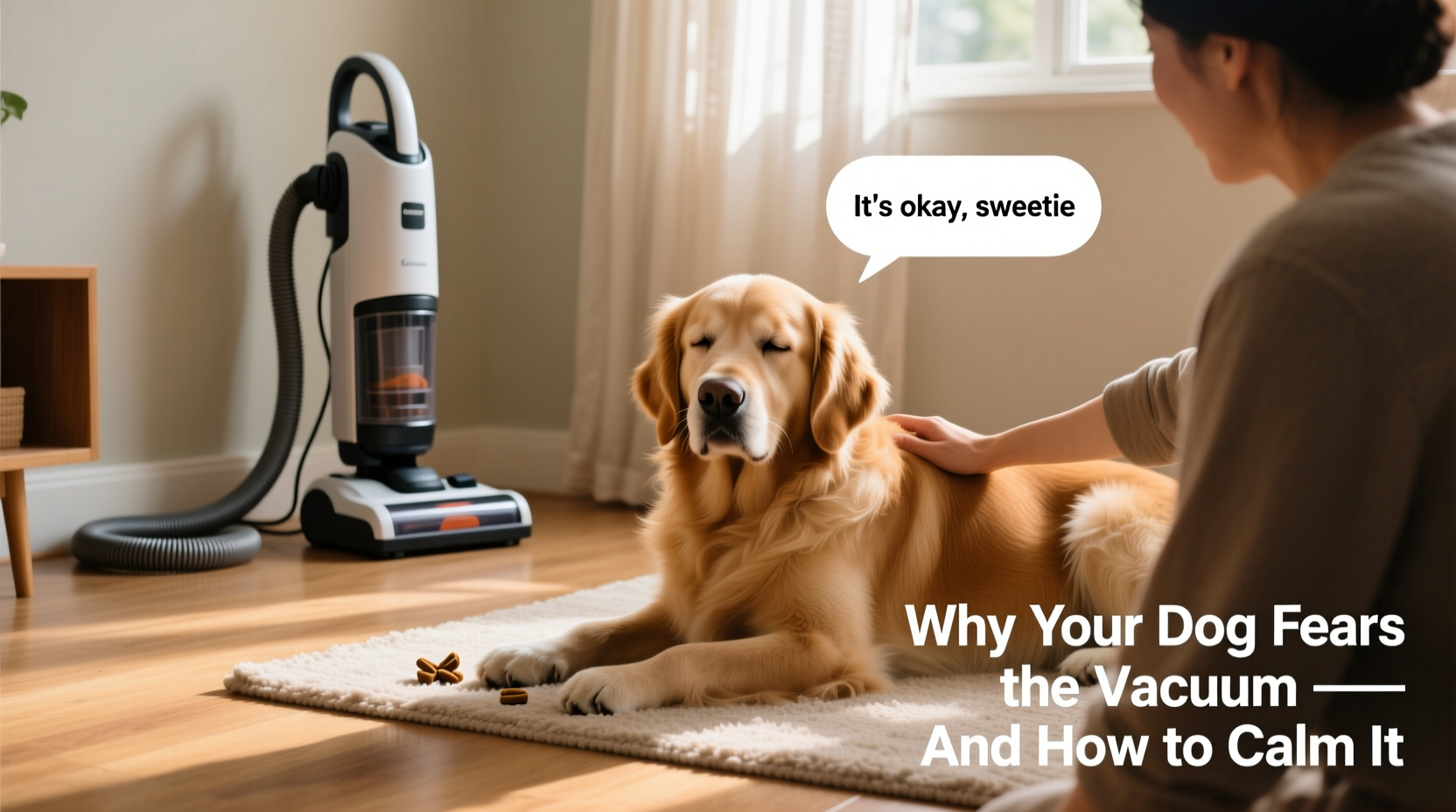
Dog behavior is deeply rooted in instinct and perception. The vacuum cleaner presents multiple stressors that can overwhelm a dog’s senses:
- Loud, unpredictable noise: The high-pitched whirring and sudden bursts of suction mimic sounds associated with danger in the wild.
- Unfamiliar movement: The erratic motion of the vacuum gliding across floors resembles a threatening creature.
- Vibrations: The machine's rumble travels through the floor, which dogs can feel through their paws.
- Sudden appearance: Unlike daily routines, the vacuum appears unpredictably, disrupting a dog’s sense of safety.
Puppies exposed to household appliances during their socialization window (between 3 and 14 weeks of age) are less likely to develop phobias later in life. However, adult dogs without that early exposure may react strongly when introduced to the vacuum for the first time—or after a traumatic incident involving it.
Common Triggers Behind Sudden Vacuum Fear
A dog doesn’t usually become afraid of the vacuum overnight without reason. A sudden change in behavior often points to a specific trigger or underlying factor. Consider these possibilities:
- A negative experience: Did the vacuum accidentally bump your dog? Did it startle them while they were sleeping? Even a single incident can create lasting fear.
- Increased sensitivity with age: Older dogs may become more noise-sensitive due to hearing changes or cognitive decline.
- Generalized anxiety: If your dog is already prone to nervousness, the vacuum may become a focal point for broader stress.
- New or louder model: Upgrading to a more powerful vacuum can introduce unfamiliar sounds and vibrations.
- Lack of control: Dogs fear what they cannot predict or escape. The vacuum’s sudden activation removes their sense of control.
It’s important to rule out medical issues as well. Sudden behavioral shifts can sometimes be linked to pain, hearing loss, or neurological conditions. If your dog shows other signs of discomfort—such as lethargy, aggression, or house soiling—consult your veterinarian before assuming it’s purely behavioral.
Step-by-Step Desensitization Plan
Desensitization and counterconditioning are gold-standard techniques used by animal behaviorists to reduce fear responses. The goal is to gradually expose your dog to the vacuum in a controlled way while pairing it with positive experiences like treats, praise, or play.
Follow this 5-phase timeline over several days or weeks, depending on your dog’s comfort level:
- Phase 1: Introduce the vacuum at rest
Place the unplugged vacuum in a common area. Let your dog investigate it at their own pace. Reward calm behavior with high-value treats. Do not rush interaction. - Phase 2: Power on without movement
Turn the vacuum on but keep it stationary. Start in another room so the sound is muffled. Gradually decrease distance over multiple sessions. Always pair with treats or a favorite toy. - Phase 3: Gentle movement without suction
Push the vacuum slowly across the floor without turning on suction. Keep movements predictable and slow. Continue rewarding calm observation. - Phase 4: Full operation at a distance
Use the vacuum normally but in a different room. Allow your dog to watch from a safe space. Offer a stuffed Kong or chew toy to create a positive association. - Phase 5: Normal use with monitoring
Resume regular vacuuming while observing your dog. If they remain calm, praise quietly. If they show signs of stress, return to an earlier phase and progress more slowly.
Each session should last no more than 5–10 minutes and occur only when your dog is relaxed. Never push through fear—progress depends on your dog feeling safe at every stage.
Practical Calming Tips During Vacuum Time
While long-term training addresses the root cause, immediate strategies can reduce stress during cleaning. These tips help manage fear in real time:
- Create a safe zone: Designate a quiet room with familiar bedding, toys, and water where your dog can retreat during vacuuming.
- Use background noise: Play calming music or white noise to mask the vacuum’s sound. Studies show classical music can reduce canine stress.
- Offer distraction: Give your dog a food puzzle or long-lasting chew to focus their attention elsewhere.
- Try calming aids: Consider vet-approved options like Adaptil diffusers (which release dog-appeasing pheromones) or snug-fitting anxiety wraps.
- Adjust your schedule: Vacuum when your dog is outside, napping, or otherwise occupied to minimize exposure during early training phases.
Do’s and Don’ts When Helping Your Dog Overcome Fear
| Do’s | Don’ts |
|---|---|
| Go at your dog’s pace—even if it takes weeks. | Rush the process or force interaction. |
| Use high-value treats (e.g., chicken, cheese). | Use punishment or scolding for fearful behavior. |
| Keep sessions short and positive. | Vacuum when your dog is already anxious or tired. |
| Involve all family members in consistent training. | Allow children to chase the dog with the vacuum (even as a joke). |
| Consult a professional if progress stalls. | Ignore signs of severe anxiety like trembling or hiding. |
Real Example: How Max Learned to Tolerate the Vacuum
Max, a 3-year-old rescue terrier, had always been skittish around loud noises. When his owner upgraded to a cordless stick vacuum, the sudden whoosh startled him so badly he hid under the bed for hours. Attempts to coax him out while vacuuming only made things worse.
Working with a certified dog trainer, Max’s owner began a desensitization plan. First, she left the vacuum standing in the living room for three days, tossing treats whenever Max looked at it. Then, she turned it on in the kitchen while Max stayed in the bedroom with a peanut butter-filled bone. Over two weeks, she gradually moved the operating vacuum closer, always pairing it with high-value rewards.
Within a month, Max could stay in the same room during vacuuming, calmly chewing a bully stick. He never became enthusiastic about the machine—but he no longer panicked. His owner continues to use treats during cleaning to reinforce the positive association.
“Fear isn’t defiance. It’s communication. When a dog reacts to the vacuum, they’re saying, ‘This feels unsafe.’ Our job is to change that story—one positive moment at a time.” — Dr. Lisa Marano, Certified Applied Animal Behaviorist
When to Seek Professional Help
Most cases of vacuum fear improve with consistent home training. However, some dogs exhibit extreme phobias that require expert intervention. Signs it’s time to consult a veterinary behaviorist or certified trainer include:
- Aggressive reactions (snapping, growling)
- Self-injury during panic episodes
- Inability to relax even when the vacuum is off
- Fear generalizing to other appliances or sounds
In severe cases, your vet may recommend short-term anti-anxiety medication alongside behavioral therapy. These are not “quick fixes” but tools to lower your dog’s stress enough to make training effective.
FAQ
Can older dogs learn to stop fearing the vacuum?
Yes. While younger dogs often adapt faster, adult and senior dogs can overcome fears with patience and proper technique. The key is consistency and avoiding pressure.
Should I let my dog sniff the vacuum when it’s off?
Absolutely. Controlled investigation helps demystify the object. Just ensure the vacuum is unplugged and your dog approaches voluntarily.
Is it okay to vacuum when my dog isn’t home?
If your dog is highly reactive, it’s fine to clean when they’re away—especially during early training. Just continue gradual exposure when they’re present so they don’t associate the vacuum solely with absence or stress.
Checklist: Helping Your Dog Stay Calm Around the Vacuum
- ✅ Assess recent changes or incidents that may have triggered fear
- ✅ Rule out medical causes with a vet visit if behavior changed suddenly
- ✅ Begin desensitization with the vacuum powered off
- ✅ Use high-value treats during every exposure session
- ✅ Progress slowly—only move to the next phase when your dog is relaxed
- ✅ Create a quiet retreat space for vacuuming days
- ✅ Involve all household members in consistent training
- ✅ Consult a professional if fear persists or worsens
Conclusion
Your dog’s fear of the vacuum isn’t a flaw—it’s a signal. By responding with empathy and structure, you can transform a stressful routine into an opportunity for trust-building and confidence growth. The journey requires time and attentiveness, but the reward is a calmer, more secure companion.
Start today: leave the vacuum out in the open, toss a treat nearby, and observe. Small moments like these lay the foundation for lasting change. Every dog deserves to feel safe in their home—even when the floor needs a good clean.




 浙公网安备
33010002000092号
浙公网安备
33010002000092号 浙B2-20120091-4
Comments
No comments yet. Why don't you start the discussion?