
If you've walked into your bathroom or kitchen and been hit with a sharp, rotten-egg-like stench rising from the drain, you're not alone. Sewage-like odors emanating from household drains are more common than many realize—and while unsettling, they’re often rooted in a simple mechanical issue: the P-trap. Understanding how this small but vital plumbing component works, why it fails, and how to fix it quickly can restore freshness to your home without requiring a plumber’s visit.
The P-trap is the U-shaped pipe located beneath sinks, showers, and floor drains. Its primary function is to hold a small amount of water that acts as a seal, blocking sewer gases from traveling up through the drain and into your living space. When this water evaporates, the trap is compromised, allowing noxious gases to escape. Other issues—like clogs, cracks, or improper venting—can also contribute to the problem. The good news is that most causes are easily diagnosable and fixable with basic tools and a little know-how.
How the P-Trap Prevents Sewer Smells
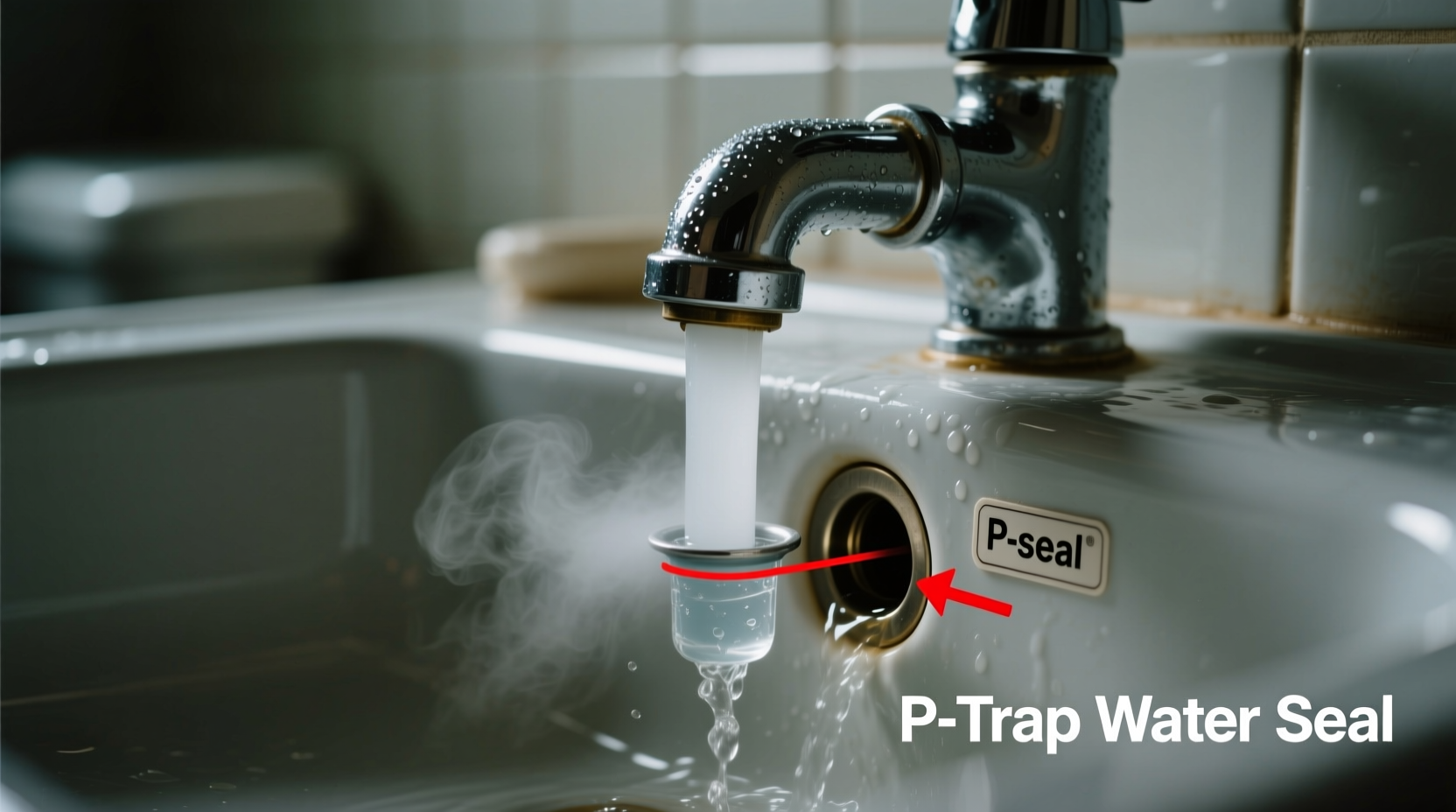
The design of the P-trap is elegantly simple. After each use of a sink or tub, water flows down the drain and collects in the curved section of the pipe. This standing water forms a liquid barrier that prevents gases from the sewer line below from rising into your home. As long as the trap remains filled, your indoor air stays clean and odor-free.
However, if a fixture isn’t used regularly—such as a guest bathroom sink or a basement floor drain—the water in the P-trap can slowly evaporate over time. Once the seal breaks, sewer gases, including hydrogen sulfide (which smells like rotten eggs), methane, and ammonia, can freely enter your home.
“Even a properly installed P-trap will fail if it dries out. Regular use of all plumbing fixtures is one of the simplest ways to maintain an effective gas seal.” — Daniel Reeves, Master Plumber and HVAC Specialist
Common Causes of Sewage Smells from Drains
Sewer odors don’t always mean a broken sewer line. In most cases, the source is localized and manageable. Below are the most frequent culprits behind smelly drains:
- Dry P-trap: Infrequently used drains lose their water seal due to evaporation, especially in dry or heated environments.
- Clogged or Partially Blocked Drain: Organic buildup like hair, grease, or soap scum can decompose and emit foul odors while also slowing drainage.
- Cracked or Leaking P-trap: Physical damage to the pipe allows both water to escape and gases to seep through.
- Improper Venting: Plumbing systems require vent pipes to release pressure and allow wastewater to flow smoothly. A blocked or poorly designed vent can cause siphoning of trap water.
- Sewer Line Issues: While less common, a damaged main sewer line or backed-up septic tank can force gases backward into the home.
Step-by-Step Guide to Diagnose and Fix a Smelly P-Trap
Before calling a professional, follow this systematic approach to identify and resolve the issue:
- Confirm the Source: Sniff near each drain individually. Place a damp cloth over adjacent drains while testing one to isolate the smell.
- Pour Water Down the Drain: If the odor diminishes after running water, the trap was likely dry. Let water run for 30 seconds to refill it.
- Check for Clogs: Use a plunger on sinks or showers. For deeper blockages, remove the P-trap and clean it manually.
- Inspect the P-trap for Damage: Look for cracks, corrosion, or loose connections under the sink. Tighten slip nuts or replace damaged sections.
- Test Vent Functionality: If multiple fixtures gurgle when flushed or drained, a blocked vent may be siphoning water from traps. Inspect roof vents for debris (leaves, bird nests).
- Sanitize the Drain: Pour a mixture of ½ cup baking soda followed by 1 cup vinegar down the drain. Let sit for 30 minutes, then flush with hot water.
This process resolves the majority of P-trap-related odor issues within an hour and costs nothing beyond basic household supplies.
Do’s and Don’ts: Maintaining a Healthy P-Trap System
| Do’s | Don’ts |
|---|---|
| Run water in all drains monthly, even if rarely used | Ignore persistent odors—they won’t fix themselves |
| Clean P-traps annually to prevent sludge buildup | Pour chemical drain cleaners frequently—they can corrode pipes |
| Use enzyme-based drain treatments to break down organic matter | Seal off unused drains permanently without installing trap primers |
| Ensure proper slope in drain lines to prevent stagnation | Over-tighten PVC fittings—they can crack under pressure |
Real Example: Solving a Basement Floor Drain Smell
A homeowner in Denver reported a persistent sewage odor in their finished basement during winter months. The smell worsened when the furnace ran, suggesting airflow was pulling gases into the space. Investigation revealed a floor drain near the laundry area had not been used in over six months. The P-trap had completely dried out due to low humidity from heating.
The solution was straightforward: the homeowner poured two quarts of water down the drain to reestablish the seal. They followed up with a monthly reminder to pour water down the drain every other week. Within hours, the odor dissipated. No further action was needed, saving hundreds in potential service calls.
This case illustrates how environmental factors—seasonal heating, infrequent use, and low humidity—can silently compromise a P-trap’s effectiveness.
When to Call a Professional
While most P-trap issues are DIY-friendly, some situations demand expert intervention:
- Multiple drains emit odor simultaneously, indicating a main sewer line or vent stack issue.
- Water pools around the base of a toilet or backs up into showers when appliances drain—signs of a sewer blockage.
- Foul smells persist despite refilling traps and cleaning drains.
- You suspect tree root intrusion or collapsed piping, especially in older homes.
In such cases, a licensed plumber can perform a camera inspection of the sewer line or conduct a smoke test to locate leaks or venting faults.
Preventative Maintenance Checklist
Stay ahead of sewer smells with this seasonal maintenance routine:
- ✅ Pour water down every drain (including washing machine standpipe and utility sinks) at least once a month.
- ✅ Clean sink strainers weekly to prevent organic buildup.
- ✅ Inspect visible P-traps for leaks or corrosion twice a year.
- ✅ Use natural drain treatments (baking soda/vinegar or enzyme products) quarterly.
- ✅ Check roof vent pipes in fall and spring for obstructions.
- ✅ Install trap primers in areas with floor drains (e.g., basements, laundry rooms) if usage is minimal.
For homes with vacation usage patterns or seasonal rentals, consider automated trap primers that connect to a water supply and periodically refill traps to maintain the seal.
Frequently Asked Questions
Can a dry P-trap make me sick?
While the odor itself is unpleasant rather than immediately dangerous, prolonged exposure to sewer gases like hydrogen sulfide and methane can cause headaches, nausea, and respiratory irritation, especially in sensitive individuals. Re-establishing the water seal eliminates the risk.
How long does it take for a P-trap to dry out?
In dry climates or heated indoor spaces, a P-trap can evaporate completely in 1–3 months. Humid environments may preserve the water seal for 6 months or longer. Unused guest bathrooms are particularly vulnerable.
Is bleach safe to use in smelly drains?
Bleach can disinfect surface bacteria but doesn’t dissolve organic clogs or restore trap seals. Overuse can damage rubber seals and corrode metal pipes. It’s better suited for occasional surface sanitation than ongoing drain maintenance. Enzyme-based cleaners are safer and more effective for organic buildup.
Conclusion: Take Control of Your Home’s Air Quality
A sewage smell from your drain is not something to ignore or mask with air fresheners. It’s a signal that your plumbing’s first line of defense—the P-trap—is failing. Whether due to evaporation, clogs, or structural issues, the solution is usually simple, inexpensive, and within reach of most homeowners.
By understanding how P-traps work, performing regular maintenance, and acting quickly when odors arise, you can maintain a healthy, odor-free home environment. Don’t wait for the stench to worsen. Refill that dry trap today, clean out the gunk, and breathe easier knowing your drains are functioning as they should.




 浙公网安备
33010002000092号
浙公网安备
33010002000092号 浙B2-20120091-4
Comments
No comments yet. Why don't you start the discussion?