
Electric blankets offer comfort and warmth during colder months, turning an ordinary bed into a cozy retreat. But when parts of the blanket fail to heat properly—leaving cold spots or inconsistent warmth—it defeats the purpose entirely. Uneven heating can stem from various causes, ranging from simple user errors to internal wiring issues. Understanding the root causes and knowing how to respond can restore performance, extend the life of your blanket, and most importantly, ensure safety.
This guide dives deep into the mechanics behind uneven heating, outlines actionable troubleshooting methods, and provides expert-backed advice to help you determine whether your blanket can be repaired—or if it’s time to replace it.
Common Causes of Uneven Heating in Electric Blankets
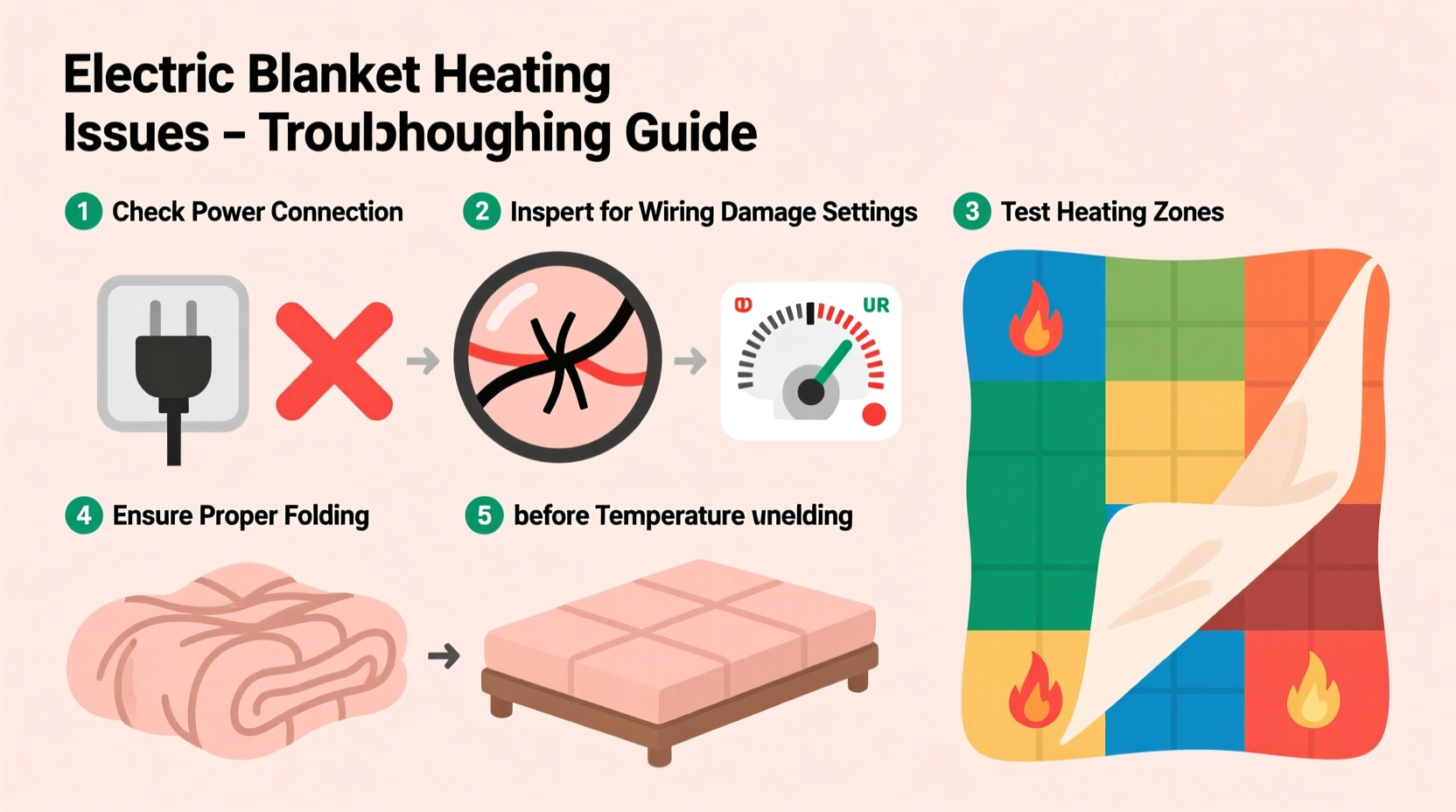
Before jumping to conclusions, it's essential to identify what might be causing the problem. Most electric blankets use embedded heating wires that distribute warmth across the fabric. When one section heats less than others, it usually points to a disruption in this system. Below are the most frequent culprits:
- Folded or compressed wires: If the blanket has been folded tightly during storage, the internal heating elements may have bent or broken, interrupting current flow.
- Damaged control unit: The thermostat or controller regulates temperature. If faulty, it may send inconsistent signals, leading to patchy heating.
- Loose or degraded connections: Over time, connectors between the blanket and the cord can weaken, especially near seams or edges.
- Manufacturing defects: Some blankets have poorly spaced or insulated wires, creating inherent hot and cold zones even when new.
- Improper placement: Placing heavy objects on the blanket or tucking it under the mattress can compress heating coils and block heat distribution.
- Aging components: After years of use, the resistance wires degrade, reducing efficiency in certain areas.
Unlike traditional blankets, electric models rely on consistent electrical continuity. Any break or resistance spike disrupts uniform heating. Recognizing these factors early helps prevent further damage or potential fire hazards.
Step-by-Step Troubleshooting Guide
Follow this logical sequence to diagnose and potentially resolve uneven heating issues. Many problems can be corrected without professional help—if caught early.
- Unplug and visually inspect the blanket. Look for visible signs of wear: frayed edges, scorch marks, water stains, or bulges in the fabric. These could indicate internal wire damage.
- Check the power source. Plug the blanket into a different outlet to rule out circuit issues. Ensure the outlet is functioning by testing with another device.
- Examine the controller and cord connection. Wiggle the plug where it attaches to the blanket. If the heat fluctuates, there may be a loose internal connection.
- Lay the blanket flat on a dry surface. Do not place anything on top. Turn it on high for 15–20 minutes and gently feel each section. Note which areas remain cool.
- Test the controller settings. Switch between temperature levels. If higher settings produce more even heat, the thermostat may simply need recalibration or replacement.
- Inspect for folds or creases. Smooth out any wrinkles. Sometimes, a single fold can pinch a wire and block current flow to downstream sections.
- Try a reset (if applicable). Some digital controllers have a reset button. Press it and restart the blanket according to the manual.
If the blanket still heats unevenly after these steps, the issue likely lies within the internal wiring or insulation. At this stage, further action depends on the model, age, and warranty status.
Do’s and Don’ts: Safe Handling Practices
Mishandling is a leading cause of premature failure in electric blankets. The table below outlines best practices to maintain performance and safety.
| Do’s | Don’ts |
|---|---|
| Do lay the blanket flat before turning it on. | Don’t fold or tuck the blanket under the mattress. |
| Do store loosely rolled in a cotton bag. | Don’t compress it in tight spaces or plastic bins. |
| Do clean according to manufacturer instructions (usually hand wash or spot clean). | Don’t machine wash or dry unless explicitly allowed. |
| Do check for recalls or firmware updates if using a smart blanket. | Don’t attempt to repair internal wires yourself. |
| Do replace blankets older than 7–10 years. | Don’t use damaged or sparking units. |
Adhering to these guidelines significantly reduces the risk of overheating, electrical shorts, and long-term degradation of heating elements.
Expert Insight: What Professionals Say About Longevity
Industry experts emphasize that while modern electric blankets are built with durability in mind, their lifespan heavily depends on usage patterns and care routines.
“Most failures we see aren’t due to poor manufacturing—they’re due to misuse. Folding, overloading circuits, or ignoring early warning signs like flickering lights or cold zones accelerate breakdown.” — Dr. Alan Zhou, Electrical Safety Engineer at HomeTech Labs
Dr. Zhou also notes that newer micro-wire technology has improved heat distribution but remains vulnerable to mechanical stress. “Even slight kinks in the wiring path can create resistance imbalances,” he explains. “That’s why gentle handling matters more than people think.”
Additionally, UL (Underwriters Laboratories) recommends replacing electric blankets every decade, regardless of apparent condition. Internal wear isn’t always visible, and aging insulation increases fire risk.
When to Repair vs. Replace
Repairing an electric blanket is rarely advisable for consumers. Unlike lamps or toasters, these devices contain complex, sealed wiring systems. Opening the blanket voids warranties and exposes live components.
Some third-party repair services claim to fix broken wires or replace controllers, but results vary widely. Given that a quality electric blanket costs between $60 and $150, investing in repairs often makes little economic sense—especially when safety is at stake.
Consider replacement if:
- The blanket is over 7 years old.
- You notice persistent cold spots despite troubleshooting.
- The controller displays error codes or erratic behavior.
- There are visible burns, odors, or smoke during use.
- The blanket fails to shut off automatically (a critical safety feature).
Modern replacements often come with advanced features like dual controls, overheat protection, and app integration. Upgrading may offer better comfort, efficiency, and peace of mind.
Real-World Example: A Case of Misdiagnosed Malfunction
Sarah, a teacher from Vermont, complained that her three-year-old electric blanket had developed a large cold patch on the right side. She assumed it was broken and considered buying a new one. Instead, she followed basic troubleshooting steps: unplugged the unit, laid it flat, checked for folds, and tested the outlet.
During inspection, she noticed the blanket had been tucked under the box spring along one edge. After smoothing it out and ensuring full contact with the bed surface, she turned it on again. Within 15 minutes, heat returned evenly across the entire surface.
The issue wasn’t faulty wiring—it was compression. By restricting airflow and bending the internal coils, the tucked section prevented proper heat conduction. Sarah now stores her blanket loosely rolled and never tucks it in, maintaining consistent performance through two winters since.
This case illustrates how environmental factors—not hardware failure—can mimic serious malfunctions. Simple adjustments often resolve what seems irreparable.
Frequently Asked Questions
Can I cut or modify my electric blanket to remove a cold section?
No. Altering the blanket breaks the sealed circuit and creates serious fire and shock hazards. Never cut, splice, or sew into an electric blanket.
Why does only half the blanket get warm after being stored?
Extended folding can stress internal wires, particularly at crease points. Try laying the blanket flat for 24 hours before use to allow wires to relax. If no improvement, internal damage may have occurred.
Is it safe to use an electric blanket with a memory foam mattress?
Yes, but ensure the blanket lies flat and isn’t compressed. Memory foam retains heat well, so consider using a lower setting to avoid overheating. Avoid placing additional padding directly over the blanket.
Final Checklist: Action Plan for Even Heating
Use this concise checklist to quickly assess and address uneven heating:
- ☐ Unplug the blanket and inspect for physical damage.
- ☐ Lay it completely flat—no tucking or folding.
- ☐ Test in a known-working outlet.
- ☐ Wiggle cord connections to check for intermittent contact.
- ☐ Run on high for 20 minutes and map cold zones.
- ☐ Reset the controller (if available).
- ☐ Consult the manual for error codes or diagnostics.
- ☐ Replace if older than 7–10 years or showing signs of wear.
Following these steps systematically increases your chances of restoring function—or making an informed decision to upgrade.
Conclusion: Prioritize Safety and Comfort
An electric blanket that doesn’t heat evenly isn’t just inconvenient—it can signal underlying risks. While some issues are easily fixed with proper setup and care, others demand replacement to ensure safety. Understanding how these devices work empowers you to troubleshoot wisely and avoid unnecessary expenses.
Remember: no amount of comfort is worth compromising safety. If in doubt, retire the blanket and invest in a new, certified model with updated safety features. Your warmth—and well-being—are worth it.




 浙公网安备
33010002000092号
浙公网安备
33010002000092号 浙B2-20120091-4
Comments
No comments yet. Why don't you start the discussion?