
Electric kettles are a staple in modern kitchens, prized for their speed, convenience, and energy efficiency. But when your once-quiet kettle starts emitting strange sounds—gurgling, hissing, or even loud rattling—it can be both puzzling and concerning. While some noise is normal during operation, persistent or unusual sounds may signal underlying issues. More importantly, they could point to wear, mineral buildup, or electrical faults that compromise performance and safety.
Understanding what causes these noises and recognizing when they indicate a failing appliance can help you avoid inefficiency, higher energy bills, or even potential hazards. This guide breaks down the common reasons behind electric kettle noise, how to troubleshoot them, and clear indicators that it’s time to retire your kettle and invest in a new one.
Common Causes of Electric Kettle Noise
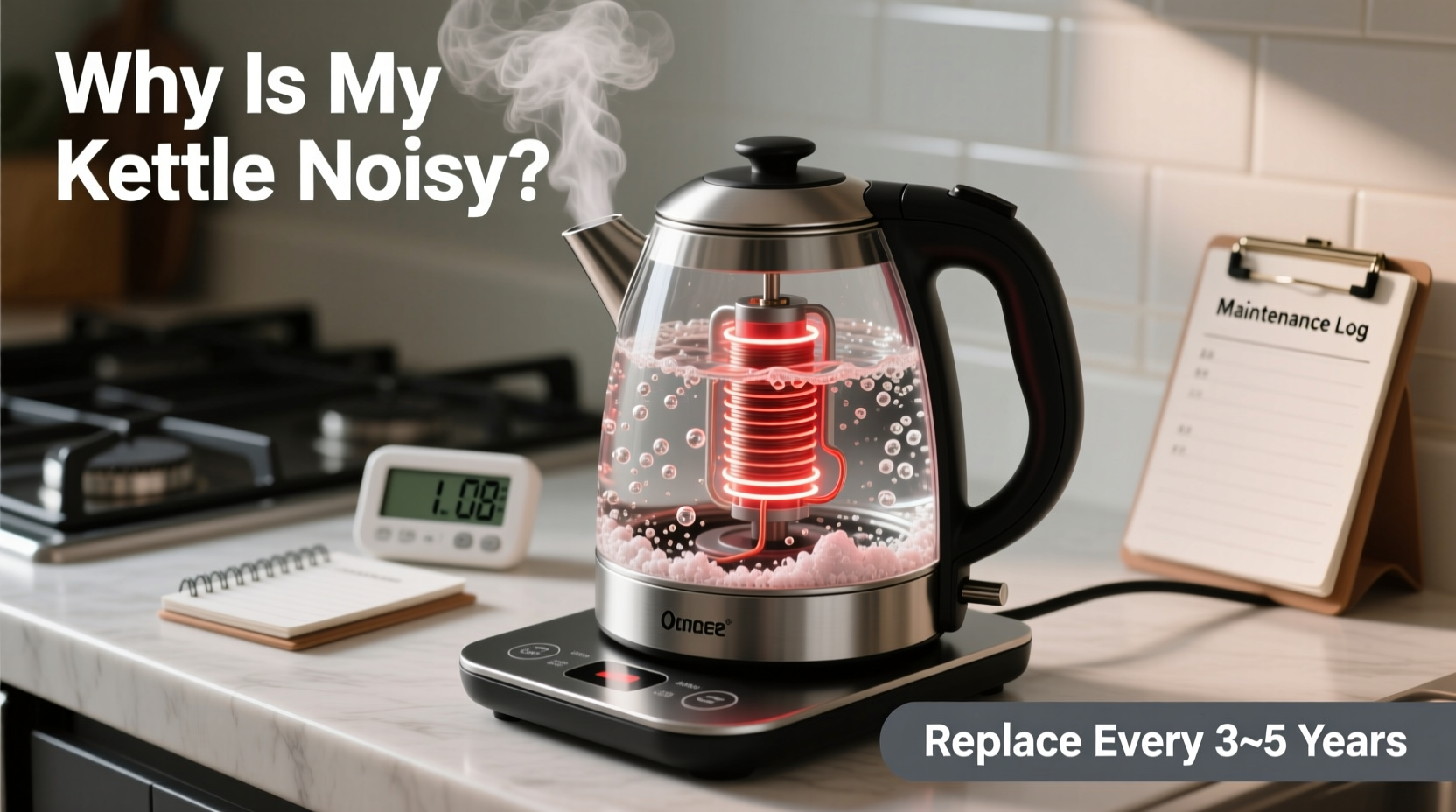
Not all kettle noises are cause for alarm. Many are part of the normal boiling process. However, differentiating between expected sounds and warning signs is crucial.
- Boiling and bubbling: As water heats, bubbles form and rise, creating a gentle gurgling or rumbling sound. This is completely normal and typically peaks just before the kettle switches off.
- Steam release: A soft hissing noise as steam escapes through the spout or vent is standard, especially in models with automatic shut-off mechanisms triggered by steam detection.
- Heating element activation: A faint clicking sound when the kettle turns on or off is usually the thermostat engaging or disengaging.
However, certain noises suggest problems:
- Loud banging or popping: Often caused by limescale buildup. As water heats, trapped air and minerals create uneven heating, leading to sudden pressure releases.
- Rattling or vibrating: May indicate a loose heating element, damaged base, or foreign object (like a loose screw) inside the unit.
- High-pitched whistling: Some kettles whistle by design, but if it’s new or unusually shrill, it could mean a blockage in the steam path or excessive pressure from scale deposits.
- Grinding or buzzing: Suggests an issue with the internal wiring, power connection, or motorized components in cordless bases.
Mineral Buildup and Limescale: The Silent Culprit
One of the most frequent causes of abnormal kettle noise is limescale accumulation, especially in areas with hard water. Over time, calcium and magnesium deposits coat the heating element and interior surfaces. This layer insulates the element, forcing it to work harder and heat unevenly, which leads to increased noise and reduced efficiency.
As water boils, trapped pockets of air and vapor beneath the scale expand rapidly and burst, causing popping or crackling sounds. In severe cases, the buildup can restrict water flow or interfere with the thermostat, delaying or preventing automatic shut-off.
A study by the UK’s Energy Saving Trust found that just 1/16 inch (1.5 mm) of limescale can increase energy consumption by up to 15%. Beyond noise and inefficiency, prolonged scale buildup can permanently damage the heating element, shortening the kettle’s lifespan.
“Regular descaling isn’t just about noise reduction—it’s essential for maintaining efficiency and safety. Ignoring scale can lead to overheating and premature failure.” — Dr. Alan Reeves, Appliance Safety Researcher, Consumer Engineering Institute
How to Descale Your Electric Kettle
Descaling is a simple, effective way to reduce noise and restore performance. Here’s a safe, step-by-step method using household ingredients:
- Fill the kettle halfway with equal parts white vinegar and water.
- Bring the mixture to a boil, then let it sit for 15–30 minutes (do not leave unattended).
- Discard the solution and rinse thoroughly with clean water.
- Boil a full pot of clean water and discard it to remove any residual vinegar taste.
- Repeat monthly in hard water areas, or every 2–3 months otherwise.
For those preferring commercial descalers, choose products labeled safe for food-contact appliances and follow instructions carefully.
When Mechanical or Electrical Issues Are to Blame
If descaling doesn’t resolve the noise, the problem may lie in mechanical or electrical components. These issues require closer inspection and often signal more serious concerns.
| Noise Type | Possible Cause | Action Required |
|---|---|---|
| Loud buzzing or humming | Faulty power base, worn contacts, or loose wiring | Inspect plug and base; discontinue use if sparking or overheating occurs |
| Clicking without heating | Failed thermostat or heating element | Test continuity with a multimeter or consult a technician |
| Vibrating base | Loose kettle on base or misaligned connectors | Clean contact points; ensure proper alignment |
| Burning smell with noise | Overheated wiring or insulation damage | Stop use immediately; do not attempt repair unless qualified |
Internal components like the thermostat, heating coil, and switch mechanism degrade over time. Unlike stovetop kettles, electric models integrate electronics that aren’t designed for user servicing. Attempting DIY repairs can void warranties and create fire or shock risks.
Mini Case Study: The Persistent Rattle
Sarah, a teacher from Manchester, noticed her two-year-old kettle began making a metallic rattling sound during boiling. She descaled it twice with vinegar, but the noise persisted. Upon closer inspection, she discovered a small metal washer had come loose from the lid hinge and fallen into the body of the kettle. After removing it with tweezers (with the kettle unplugged), the noise stopped. However, she later realized the heating element was partially exposed due to scale erosion. Within weeks, the kettle failed to shut off automatically. She replaced it, noting that early signs were overlooked.
This case highlights the importance of investigating both external and internal factors—and understanding that temporary fixes don’t always address underlying wear.
Signs It’s Time to Replace Your Electric Kettle
Even well-maintained kettles have a finite lifespan—typically 2 to 5 years, depending on usage and water quality. Recognizing when to replace yours ensures safety, efficiency, and consistent performance.
Checklist: When to Replace Your Kettle
Use this checklist to assess whether your kettle should be retired:
- It no longer shuts off automatically when water boils.
- Water takes significantly longer to boil than when new.
- Visible cracks, warping, or discoloration on the plastic housing.
- Recurring or worsening noise after descaling and cleaning.
- Sparks, smoke, or burning smells during operation.
- Leaking from the base or seams.
- The power cord is frayed or stiff.
- Interior shows heavy, irreversible limescale fused to the element.
- Manufactured before 2015 (older models lack modern boil-dry protection).
Automatic shut-off failure is one of the most critical red flags. Without it, the kettle can continue heating until dry, risking fire or melting components. According to the U.S. Consumer Product Safety Commission, malfunctioning heating appliances contribute to thousands of home fires annually—many linked to outdated or poorly maintained devices.
FAQ: Common Questions About Noisy Kettles
Is it safe to use a noisy electric kettle?
Occasional gurgling or hissing is safe. However, persistent loud banging, grinding, or burning smells are not. If noise is accompanied by erratic behavior (e.g., failing to turn off), stop using it immediately. Safety should always take precedence over convenience.
Can I fix a noisy kettle myself?
Basic maintenance like descaling and cleaning the exterior is safe for users. However, opening the base or attempting electrical repairs is strongly discouraged. Most manufacturers seal units to prevent tampering, and improper handling can lead to electrocution or fire.
Do all electric kettles make noise?
Yes, to some degree. All kettles produce sound during boiling due to water movement and steam release. But excessive or new noises—especially metallic, grinding, or explosive sounds—are not normal and warrant investigation.
Making the Switch: Choosing a Replacement Kettle
When it’s time to replace your kettle, consider upgrading to a model that addresses the root causes of noise and failure. Modern kettles offer features that enhance durability and user experience:
- Stainless steel or glass bodies: More resistant to staining and scaling than plastic.
- Removable limescale filters: Make cleaning easier and improve water flow.
- Advanced thermostats: Ensure precise temperature control and reliable auto-shutoff.
- Anti-drip spouts and cordless design: Improve usability and reduce wear on the base.
- Energy-efficient heating elements: Heat faster and last longer with less mineral adhesion.
Brands like Breville, Cuisinart, and Smeg are known for integrating safety features and durable construction. Look for models with 3-year warranties and independent safety certifications (e.g., UL, ETL, CE).
Conclusion: Listen to Your Kettle—It’s Telling You Something
Your electric kettle communicates its health through performance and sound. Normal boiling noises are harmless, but changes in pitch, volume, or timing should prompt attention. Regular descaling, visual inspections, and awareness of operational shifts can extend its life and prevent hazards.
Yet, no appliance lasts forever. When safety features fail, efficiency drops, or strange noises persist despite care, replacement isn’t just advisable—it’s necessary. Upgrading to a newer, safer model protects your home and ensures you enjoy fast, quiet boiling for years to come.




 浙公网安备
33010002000092号
浙公网安备
33010002000092号 浙B2-20120091-4
Comments
No comments yet. Why don't you start the discussion?