
Electric toothbrushes have become essential tools in modern oral hygiene, offering superior plaque removal and gum stimulation compared to manual brushing. But when an unfamiliar buzzing sound emerges—especially one that wasn’t there before—it can raise concerns. Is the noise normal? Does it signal internal damage? And more importantly, how do you know when it’s truly time to replace your device?
This guide explores the common causes behind buzzing sounds in electric toothbrushes, separates harmless quirks from warning signs, and provides practical advice on maintenance, troubleshooting, and replacement timing. Understanding these factors helps protect your investment and ensures your brushing remains effective and safe.
Understanding Normal vs. Abnormal Buzzing Sounds
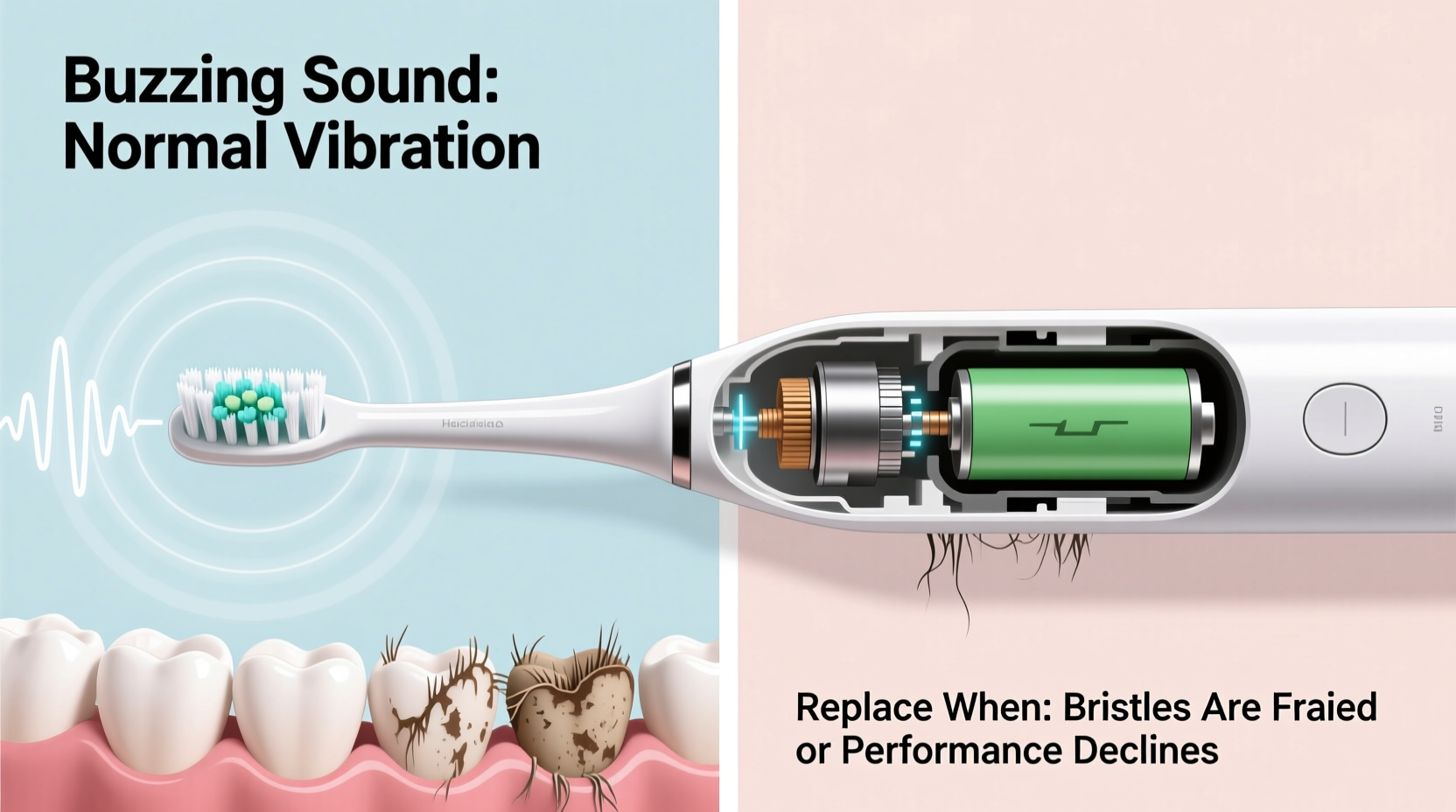
All electric toothbrushes produce some level of vibration or hum during operation. This is the result of the motor driving the brush head at high speeds—anywhere from 8,000 to over 40,000 movements per minute depending on the model. A consistent, steady buzz when the brush is turned on is typically nothing to worry about.
However, abnormal noises differ in tone, intensity, or timing. These include:
- Grinding or rattling: Suggests loose components or gear misalignment.
- Intermittent buzzing when off: May indicate electrical leakage or battery malfunction.
- Sudden increase in volume: Could point to motor strain or worn parts.
- High-pitched whine: Often linked to damaged bearings or coil issues.
The key distinction lies in consistency. If the sound changes suddenly after months or years of stable performance, it's worth investigating further.
Common Causes of Buzzing Noises in Electric Toothbrushes
1. Motor Wear and Internal Friction
Over time, the small DC motor inside your toothbrush experiences wear. Brushes with oscillating-rotating technology (like many Oral-B models) rely on gears that can degrade, leading to uneven motion and increased friction. This often results in a louder or irregular buzzing sound.
Motors are sealed units, so cleaning won’t fix mechanical degradation. Once internal components begin failing, noise usually increases steadily until full failure occurs.
2. Loose Brush Head or Worn Neck Connection
A poorly attached or incompatible brush head can rattle against the handle, creating a buzzing or clicking noise. Even slight looseness disrupts smooth transmission of motion, forcing the motor to work harder and amplifying sound.
Additionally, repeated attachment and removal may wear down the neck connector. Cracks or warping in plastic housings reduce stability, contributing to vibration noise.
3. Water Ingress and Corrosion
Despite being marketed as waterproof, prolonged exposure to moisture—especially if submerged or stored in humid environments—can allow water to seep into internal circuits. This leads to corrosion on electrical contacts or short circuits in the motor control board, both of which may cause erratic buzzing.
If your toothbrush was dropped in water recently or shows condensation under the button panel, internal dampness could be the culprit.
4. Battery Degradation
Lithium-ion batteries lose capacity over time. As they degrade, voltage output becomes unstable. The motor may receive inconsistent power, causing it to stutter or emit pulsing buzzes even at full charge.
You might notice this alongside reduced runtime or difficulty holding a charge. While not immediately dangerous, advanced battery decay increases stress on other components.
5. Charging Interference
Buzzing while charging is less common but possible. Poor contact between charger and base, using non-OEM chargers, or electromagnetic interference from nearby devices can induce faint humming. However, loud or persistent noise during charging warrants inspection.
“Motor noise isn’t always a death sentence, but sudden changes often precede functional failure. Early detection can prevent unsafe use.” — Dr. Lena Patel, Dental Device Engineer
When Should You Replace Your Electric Toothbrush?
Noise alone doesn't mean immediate replacement—but combined with other symptoms, it signals declining performance. Here’s a timeline-based framework to help determine whether repair or replacement is the better choice.
Step-by-Step: Assessing Your Toothbrush’s Lifespan
- Evaluate usage duration: Most manufacturers recommend replacing electric toothbrush handles every 3–5 years. If yours exceeds five years, internal wear is expected regardless of appearance.
- Check for diminished cleaning power: Do your teeth feel less smooth after brushing? Reduced bristle movement or weaker vibration indicates motor inefficiency.
- Inspect charging behavior: Does it take longer to charge? Does it die within days despite full charge? Battery failure reduces usability and safety.
- Listen for progression: Has the buzzing worsened over weeks? Gradual deterioration suggests irreversible component fatigue.
- Test brush head compatibility: Try a new, genuine replacement head. If noise persists, the issue is likely in the handle.
- Assess physical condition: Look for cracks, discoloration, swollen areas near the base, or sticky buttons—all signs of internal damage.
If three or more of these red flags apply, replacement is advisable.
Do’s and Don’ts: Maintaining Your Electric Toothbrush
| Do’s | Don’ts |
|---|---|
| Rinse the handle gently after use (avoid soaking) | Submerge the entire unit in water or leave it in standing water |
| Use manufacturer-approved brush heads | Force-fit third-party heads that don’t click securely |
| Charge fully before first use and avoid overcharging | Leave it on the charger indefinitely; unplug once charged |
| Store upright in a ventilated area | Keep in enclosed cabinets with poor airflow or high humidity |
| Replace brush heads every 3 months | Use frayed or splayed bristles beyond recommended time |
Mini Case Study: Sarah’s Two-Year-Old Sonicare
Sarah had used her Philips Sonicare DiamondClean for nearly two and a half years. Recently, she noticed a new low-frequency buzz during brushing—different from its original smooth hum. At first, she dismissed it, assuming it was due to a new brush head. But after installing a second authentic refill head, the noise remained.
She also observed that the battery now lasted only two days instead of the usual two weeks. One morning, the power button failed to respond until she tapped the handle lightly—a sign of internal connection issues.
After reading about potential motor strain from degraded batteries, Sarah decided to replace the unit. Her dentist later confirmed that uneven vibrations could lead to inconsistent cleaning, particularly along the gumline. By upgrading, she restored optimal plaque removal and eliminated the concerning noise.
Sarah’s experience illustrates how multiple subtle signs—noise, battery life, responsiveness—can collectively indicate end-of-life, even without total failure.
Replacement Checklist: Know When It’s Time
Use this checklist to objectively evaluate whether your electric toothbrush should be retired:
- ✅ Has been in use for more than 3–5 years
- ✅ Produces unusual or worsening buzzing, grinding, or rattling
- ✅ Loses charge significantly faster than when new
- ✅ Fails to turn on consistently or requires tapping/shaking
- ✅ Shows visible damage: cracks, swelling, discolored casing
- ✅ Vibrations feel weaker or uneven across the brush head
- ✅ Manufacturer no longer supports replacement parts or repairs
If four or more items apply, replacement is strongly recommended.
Frequently Asked Questions
Is it safe to keep using a buzzing electric toothbrush?
In most cases, yes—if the brush still functions normally and the noise is consistent. However, if the sound is accompanied by heat, burning smells, flickering lights, or intermittent power loss, discontinue use immediately. These may indicate electrical faults that pose safety risks.
Can I open my electric toothbrush to fix the motor?
No. Electric toothbrushes are sealed units designed not to be user-repaired. Opening the casing voids warranties, compromises waterproofing, and risks exposure to hazardous components like lithium batteries. Attempting DIY fixes can lead to injury or fire hazards.
How often should I replace my electric toothbrush head?
Dental professionals recommend replacing brush heads every 90 days, or sooner if bristles appear frayed. Worn bristles reduce cleaning effectiveness and may irritate gums. Many brands include color indicators that fade over time to signal replacement.
Conclusion: Prioritize Performance and Safety
An electric toothbrush making a buzzing sound isn’t automatically broken—but it’s sending a message. Whether it’s minor vibration resonance or a symptom of deeper mechanical decline, paying attention ensures you maintain both oral health and device safety.
Regular maintenance, proper storage, and awareness of lifespan limits go a long way in maximizing value. When performance dips, noise increases, or reliability falters, don’t wait for complete breakdown. Replacing your toothbrush proactively keeps your routine effective and protects against potential hazards from aging electronics.
Your smile deserves consistent, gentle, and thorough care. Make sure your tools are up to the task.




 浙公网安备
33010002000092号
浙公网安备
33010002000092号 浙B2-20120091-4
Comments
No comments yet. Why don't you start the discussion?