
Applying eyeliner should be the final touch that defines your eyes and elevates your makeup. Yet, for many, that sharp wing or precise line begins to blur just hours after application—sometimes vanishing entirely by midday. Even when using a high-quality eyelid primer, smudging remains a frustratingly common issue. The truth is, primer alone isn’t a magic fix. Multiple factors—from skin chemistry to product formulation—can undermine even the most meticulous routine. Understanding these underlying causes is the first step toward achieving truly long-lasting wear.
The Hidden Culprits Behind Eyeliner Smudging
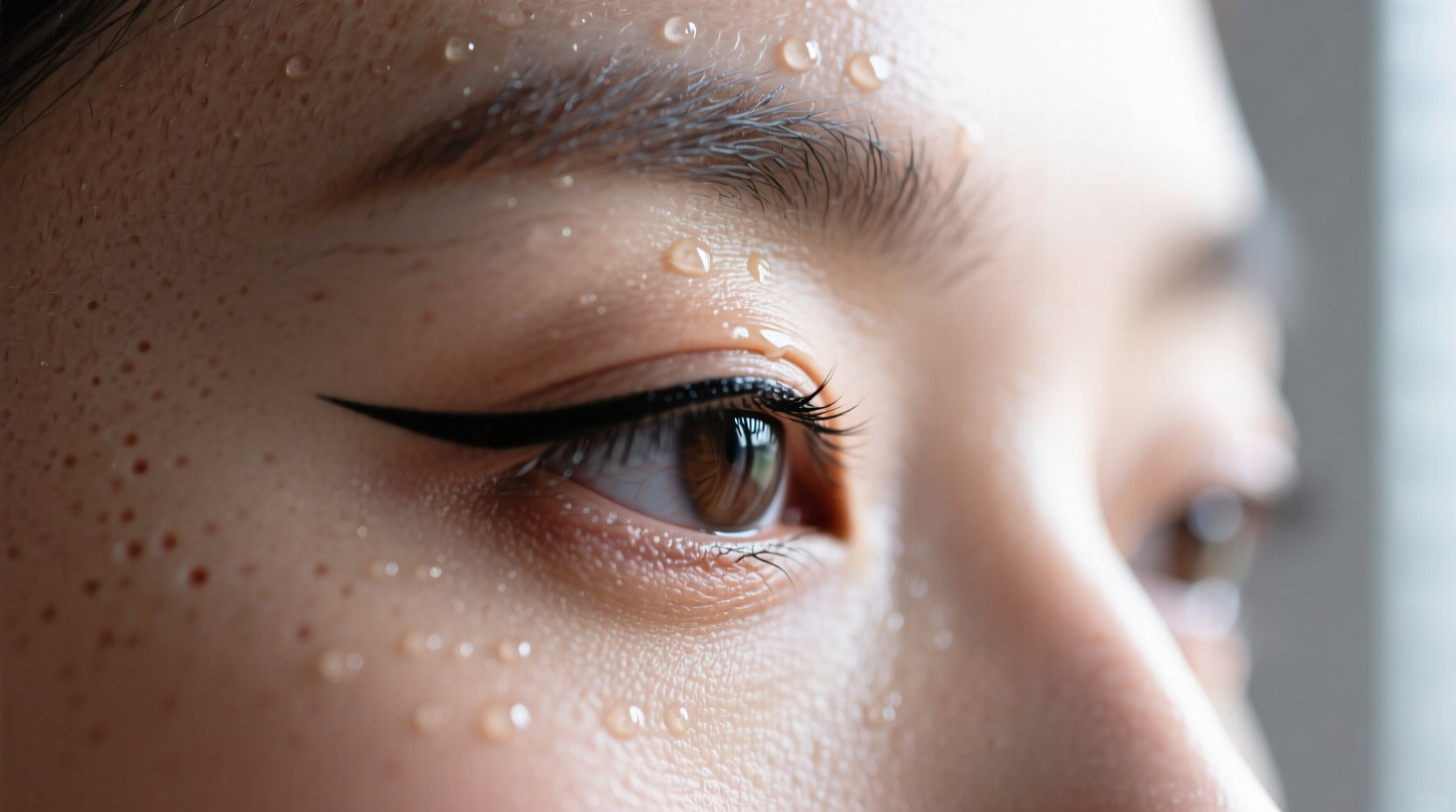
Smudging isn't always about poor product quality. Often, it's the result of complex interactions between your skin, environment, and technique. While primer creates a barrier between your skin’s natural oils and makeup, several conditions can compromise its effectiveness.
Oily eyelids are one of the top reasons for liner breakdown. The delicate skin around the eyes produces sebum, which over time migrates into makeup, softening pigments and causing transfer. Even those with normal skin can experience increased oil production due to heat, stress, or hormonal fluctuations.
Skin texture and movement also play a role. The eyelid is constantly in motion—blinking, squinting, smiling—all of which create friction. Over time, this mechanical action breaks down the bond between primer and liner, especially if the products aren’t fully compatible.
Environmental factors like humidity and temperature accelerate product migration. In warm climates, waxes and emollients in eyeliners soften more quickly, making them prone to bleeding into fine lines or onto the under-eye area.
Choosing the Right Primer and Eyeliner Combo
Not all primers are created equal, and pairing the wrong formula with your liner can sabotage longevity. Many people assume any eye primer will do, but compatibility matters. A silicone-based primer works best with waterproof or gel liners, while cream-based formulas may not set properly on top of certain gels.
Likewise, the type of eyeliner significantly impacts staying power. Here’s a comparison of common eyeliner types and their durability profiles:
| Eyeliner Type | Longevity (Average) | Smudge Resistance | Best Paired With |
|---|---|---|---|
| Pencil (Cream) | 3–5 hours | Low | Setting powder or liquid liner sealant |
| Gel | 8–12 hours | High (if set properly) | Silicone-based primer + setting spray |
| Liquid (Brush Tip) | 10+ hours | Very High | Matte eye primer |
| Pencil (Hard Formula) | 6–8 hours | Moderate | Waterproof primer |
For maximum staying power, opt for a matte, silicone-based eye primer such as Urban Decay’s Primer Potion or MAC Prep + Prime 24-Hour Extend Eye Base. These create a non-porous surface that resists oil penetration. Follow with a waterproof liquid or gel liner—avoid creamy pencils unless they’re specifically labeled “long-wear” or “transfer-proof.”
The Application Technique That Makes All the Difference
Even the best products fail without proper technique. How you apply your eyeliner can determine whether it lasts until bedtime or disappears by noon.
Start with clean, dry eyelids. Any residual moisturizer or serum will interfere with primer adhesion. Apply a pea-sized amount of primer and blend it evenly across the lid, extending slightly above the crease to prevent upward migration. Allow it to set for 30–60 seconds before moving to liner—this “curing” time ensures optimal grip.
When applying gel liner, use a thin, angled brush and work in small strokes. Thick, heavy lines take longer to dry and are more likely to crack or smear. After drawing the line, let it air-dry for 20 seconds before blinking excessively. For extra security, lightly dust a matching black or brown eyeshadow over the liner with a flat shader brush—this “baking” method sets the pigment and fills microscopic gaps.
“Most smudging happens within the first five minutes after application. Letting your liner oxidize and set undisturbed is crucial for longevity.” — Lena Torres, Celebrity Makeup Artist and Educator
Real-World Case: Office Worker Struggles with Midday Meltdown
Sarah, a 32-year-old project manager in Miami, applied her favorite gel eyeliner every morning with an eye primer. Despite her careful routine, she noticed her liner had smeared under her eyes by 1 PM daily. She consulted a dermatologist who observed that Sarah used a hydrating eye cream each morning—which, while beneficial for aging prevention, was creating a slick base beneath her primer.
After switching to a lightweight, oil-free gel moisturizer and applying translucent powder over her primer, Sarah saw immediate improvement. She also began using a liquid liner with a felt tip instead of gel, which dried faster and resisted humidity better. Within a week, her eyeliner stayed intact until evening, even during video calls and outdoor lunches.
This case highlights how subtle habits—like skincare layering—can dramatically impact makeup performance, even when following what seems like a foolproof regimen.
Step-by-Step Guide to Smudge-Proof Eyeliner
Follow this proven sequence to maximize eyeliner longevity:
- Cleanse and prep lids: Use a gentle wipe or micellar water to remove any residue. Avoid heavy creams near the lash line.
- Apply eye primer: Use a matte, silicone-based formula and blend from lash line to brow bone. Wait 60 seconds for it to set.
- Set with powder: Lightly press a translucent or skin-toned eyeshadow over the primer using a flat brush.
- Apply liner precisely: Use short strokes with a liquid or gel liner. Keep the line thin initially—you can build thickness later.
- Let it dry: Keep eyes open and avoid blinking rapidly for at least 20 seconds.
- Lock it in: Dab a matching eyeshadow over the liner to absorb oils and reinforce the line.
- Finish with setting spray: Hold a long-wear facial mist (like Urban Decay All Nighter) 8–10 inches from face and spritz once across eyes.
Common Mistakes That Sabotage Longevity
Even experienced makeup users fall into traps that shorten eyeliner wear. Awareness of these pitfalls can prevent repeated frustration:
- Layering too much product: Thick lines crack and flake, creating uneven surfaces where oil can pool.
- Using expired or degraded products: Old liners lose preservatives and separate, becoming sticky or runny.
- Touching or rubbing eyes: Habitual eye-rubbing transfers oils and physically removes pigment.
- Skipping the setting step: Primer and liner need reinforcement—eyeshadow and setting spray act as protective seals.
- Mixing incompatible formulas: Oil-based liners over water-based primers often slide off.
A quick checklist can help ensure consistency:
- Skincare absorbed before makeup? ✔️
- Primer fully set before liner? ✔️
- Liner allowed to dry completely? ✔️
- Line reinforced with eyeshadow? ✔️
- Setting spray applied at end? ✔️
Frequently Asked Questions
Can I use face primer instead of eye primer?
No. Face primers often contain silicones or hydrators designed for cheeks and forehead, not the thin eyelid skin. They may ball up or slide when layered with eye products. Always use an eye-specific primer formulated for the orbital area.
Why does my eyeliner smudge only on one eye?
Asymmetrical smudging usually results from habitual behaviors—such as resting your hand on one cheek, sleeping on one side, or unconsciously touching one eye more. It can also stem from uneven oil production, which varies naturally between eyelids.
Is waterproof eyeliner safe for sensitive eyes?
Many waterproof formulas are ophthalmologist-tested and safe, but they require thorough removal. Residue buildup can clog glands and lead to irritation or milia. Use a dedicated eye makeup remover and avoid tugging during cleansing.
Conclusion: Flawless Liner Is Within Reach
Smudging isn’t inevitable, even if you have oily lids or live in a humid climate. The key lies in understanding the science behind makeup failure and adjusting your routine accordingly. From selecting compatible products to mastering application timing, every detail contributes to lasting definition. You don’t need expensive tools or professional training—just consistent, informed choices.
Start by auditing your current routine: Are you letting primer set? Is your liner fully dry? Are you reinforcing the line? Small tweaks can yield dramatic improvements. Once you crack the code, that sharp wing you spent time perfecting won’t vanish by lunch—it’ll stay bold, crisp, and confident all day long.




 浙公网安备
33010002000092号
浙公网安备
33010002000092号 浙B2-20120091-4
Comments
No comments yet. Why don't you start the discussion?