
If you wake up with a shiny forehead, greasy cheeks, or clogged pores every morning, you're not alone. Many people experience increased facial oiliness upon waking, even if their skin feels normal during the day. This phenomenon can be frustrating—especially when it leads to breakouts, makeup slippage, or a dull complexion. The root causes are often tied to biological rhythms, skincare habits, and environmental factors. Understanding why this happens is the first step toward managing it. More importantly, targeted routines and lifestyle adjustments can help regulate sebum production and keep your skin balanced from sunrise to sunset.
The Science Behind Morning Oil Production
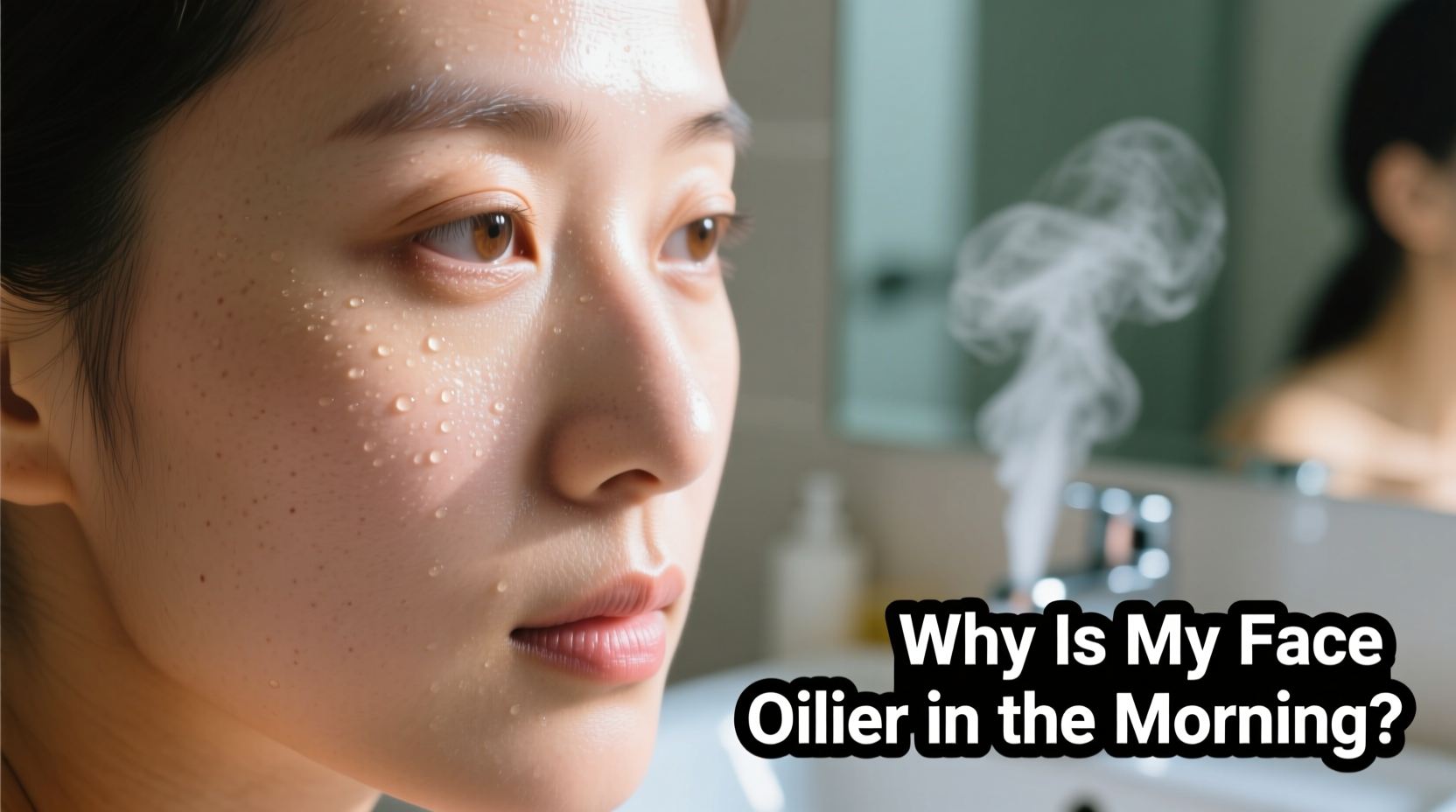
Your skin's oil glands, known as sebaceous glands, are influenced by circadian rhythms—your body’s internal 24-hour clock. These rhythms regulate hormone levels, cell regeneration, and sebum secretion. Research shows that sebum production typically peaks in the early morning hours, usually between 4 a.m. and 8 a.m., due to elevated levels of androgens like testosterone, which stimulate oil glands.
During sleep, your body increases blood flow to the skin and accelerates metabolic activity. While this supports overnight repair, it also boosts sebum synthesis. Additionally, the absence of external cleansing (no washing or blotting at night) allows oil to accumulate on the surface, creating that slick feeling when you wake up.
“Sebum output follows a diurnal pattern, with the highest rates observed in the morning after several hours of uninterrupted gland activity.” — Dr. Lena Patel, Dermatological Researcher, Journal of Cosmetic Dermatology
This natural surge isn’t inherently problematic. Sebum protects the skin barrier and prevents moisture loss. However, overproduction—especially when combined with dead skin cells and bacteria—can lead to congestion, enlarged pores, and acne.
Common Contributing Factors
Morning oiliness isn’t just about biology. Several lifestyle and environmental elements can amplify sebum production while you sleep:
- Hormonal fluctuations: Androgen levels rise naturally in the morning but can be further elevated by stress, poor sleep, or hormonal imbalances such as PCOS.
- Over-drying products: Harsh cleansers or alcohol-based toners strip the skin, triggering rebound oil production as the skin tries to compensate for lost moisture.
- Nighttime skincare choices: Heavy creams, comedogenic oils, or occlusive ingredients (like petroleum jelly) may trap sebum and increase greasiness by morning.
- Pillowcase hygiene: Cotton or synthetic pillowcases collect sweat, bacteria, and residual skincare, transferring them back onto your face throughout the night.
- Diet and hydration: High-glycemic foods and dairy consumption have been linked to increased sebum production in clinical studies.
- Room environment: Sleeping in a warm, poorly ventilated room can increase sweating and oil secretion.
Effective Strategies to Control Morning Oiliness
Managing oily skin in the morning requires a proactive, holistic approach. Instead of reacting to shine after it appears, focus on regulating oil production overnight and supporting a healthy skin barrier.
1. Optimize Your Evening Skincare Routine
Your nighttime regimen sets the tone for how your skin behaves while you sleep. Avoid heavy moisturizers unless absolutely necessary. Instead, choose lightweight, non-comedogenic formulas.
Incorporate ingredients that regulate sebum without irritation:
- Niacinamide (5–10%): Reduces sebum production and strengthens the skin barrier.
- Salicylic acid (0.5–2%): A beta-hydroxy acid that exfoliates inside pores and dissolves excess oil.
- Zinc PCA: Shown in studies to inhibit sebum synthesis and has anti-inflammatory benefits.
- Retinoids (adapalene or retinol): Regulate cell turnover and prevent pore blockages; start slowly to avoid irritation.
Apply actives earlier in your routine, followed by a light gel moisturizer. Skip occlusives unless dealing with dry patches.
2. Use a Gentle Morning Cleanser
Washing your face in the morning removes accumulated oil, sweat, and bacteria. However, avoid foaming or sulfonate-based cleansers—they can disrupt pH and cause rebound oiliness.
Instead, opt for a low-pH, hydrating cleanser with ingredients like glycerin, ceramides, or amino acids. Micellar water or a cream cleanser works well for combination skin types.
3. Balance Hydration and Oil Control
One of the biggest misconceptions is that oily skin doesn’t need moisture. In fact, dehydrated skin often produces more oil to compensate. Use a water-based moisturizer daily—even at night—to maintain equilibrium.
| Skin Concern | Recommended Ingredient | Avoid |
|---|---|---|
| Excess sebum | Niacinamide, Zinc PCA | Mineral oil, lanolin |
| Dehydration | Hyaluronic acid, glycerin | Alcohol denat., witch hazel (high concentration) |
| Clogged pores | Salicylic acid, retinol | Coconut oil, cocoa butter |
Step-by-Step Night Routine to Reduce Morning Shine
Follow this structured evening routine to minimize oil buildup overnight:
- Double cleanse (if wearing makeup/sunscreen): Start with an oil-based cleanser to dissolve impurities, then follow with a water-based one to remove residue.
- Tone with a balancing solution: Use an alcohol-free toner containing niacinamide or witch hazel to prep the skin.
- Apply treatment serum: Use a niacinamide or salicylic acid serum to target oil regulation and clarity.
- Use retinoid (2–3 times per week): Apply a pea-sized amount of adapalene or retinol to clean skin, avoiding the eye area.
- Moisturize lightly: Choose a non-comedogenic gel or gel-cream formula. Look for labels like “oil-free” and “won’t clog pores.”
- Optional: Weekly clay mask: Once or twice a week, apply a kaolin or bentonite clay mask before bed to absorb excess oil and purify pores.
Real-Life Example: Maria’s Journey to Balanced Skin
Maria, a 28-year-old graphic designer, struggled with persistent morning oiliness and midday shine despite using blotting papers and mattifying primers. She washed her face twice daily with a strong foaming cleanser and applied thick night creams, believing she needed to “dry out” the oil.
After consulting a dermatologist, she learned her routine was worsening the issue. Stripping her skin led to overcompensation through increased sebum production. She revised her regimen: switching to a gentle cleanser, adding a 10% niacinamide serum at night, and replacing her rich cream with a lightweight moisturizer. Within three weeks, her morning oiliness decreased significantly, and her pores appeared less congested.
She also started changing her pillowcase every other day and keeping her bedroom cooler at night. These small changes, combined with consistent product use, transformed her skin’s behavior—proving that balance, not elimination, is the key to managing oil.
Checklist: Daily Habits to Reduce Morning Oil
To maintain long-term control over sebum production, integrate these practices into your routine:
- ✅ Wash your face gently at night and in the morning
- ✅ Use non-comedogenic, oil-free moisturizers
- ✅ Incorporate niacinamide or salicylic acid into your routine
- ✅ Change pillowcases at least twice a week
- ✅ Keep your bedroom cool and well-ventilated
- ✅ Limit high-sugar and dairy-heavy foods, especially at dinner
- ✅ Stay hydrated throughout the day (aim for 2–2.5 liters of water)
- ✅ Avoid touching your face during the day to reduce bacterial transfer
Frequently Asked Questions
Is it normal for my face to be oily in the morning?
Yes, it’s completely normal. Sebum production naturally increases overnight due to hormonal rhythms and lack of cleansing. However, excessive oiliness that leads to breakouts or discomfort may indicate a need for routine adjustments or underlying hormonal concerns.
Should I skip moisturizer if my skin is oily?
No. Skipping moisturizer can signal your skin to produce even more oil. Always use a lightweight, non-comedogenic moisturizer to maintain hydration and support the skin barrier. Dehydrated skin often appears oily on the surface but lacks water content underneath.
Can drinking more water reduce facial oil?
While water alone won’t stop sebum production, proper hydration supports overall skin health. Dehydrated skin can trigger excess oil as a protective mechanism. Drinking adequate water helps maintain balance and improves the effectiveness of topical treatments.
When to See a Professional
If over-the-counter solutions fail to improve persistent morning oiliness, consult a dermatologist. Excessive sebum can be linked to conditions like hormonal imbalances, polycystic ovary syndrome (PCOS), or seborrheic dermatitis. A professional may recommend prescription treatments such as oral contraceptives (for hormonal regulation), spironolactone, or topical antibiotics depending on the diagnosis.
Additionally, chemical peels or laser therapies can help manage oil production and refine texture for those with severe concerns.
Final Thoughts: Achieve Balanced Skin by Design, Not Chance
Morning oiliness isn’t a flaw—it’s a sign that your skin is active and responsive. But when it becomes overwhelming, it’s time to reassess your habits and environment. The goal isn’t to eliminate oil entirely, but to achieve balance. By understanding the science behind sebum rhythms and making informed choices—from pillowcase material to niacinamide serums—you gain control over your skin’s behavior.
Consistency matters more than quick fixes. Stick with a tailored routine for at least four to six weeks to see real change. Your skin will respond not to aggression, but to thoughtful care.




 浙公网安备
33010002000092号
浙公网安备
33010002000092号 浙B2-20120091-4
Comments
No comments yet. Why don't you start the discussion?