
Ficus trees, particularly the popular Ficus benjamina (weeping fig), are prized for their lush foliage and elegant form. But if you’ve noticed a sudden cascade of leaves falling from your plant, it can be alarming. Unlike some houseplants that shed occasionally, ficus plants are known for being sensitive to change—and even minor disruptions can trigger dramatic leaf drop. Understanding the root causes and implementing targeted care adjustments can make all the difference between a thriving ficus and one struggling to survive.
This guide explores the most common reasons behind sudden leaf loss in ficus plants, with a focus on environmental shifts, improper watering, lighting issues, and seasonal transitions. More importantly, it provides actionable solutions to stabilize your plant and restore its health.
Why Ficus Plants Drop Leaves: The Stress Response
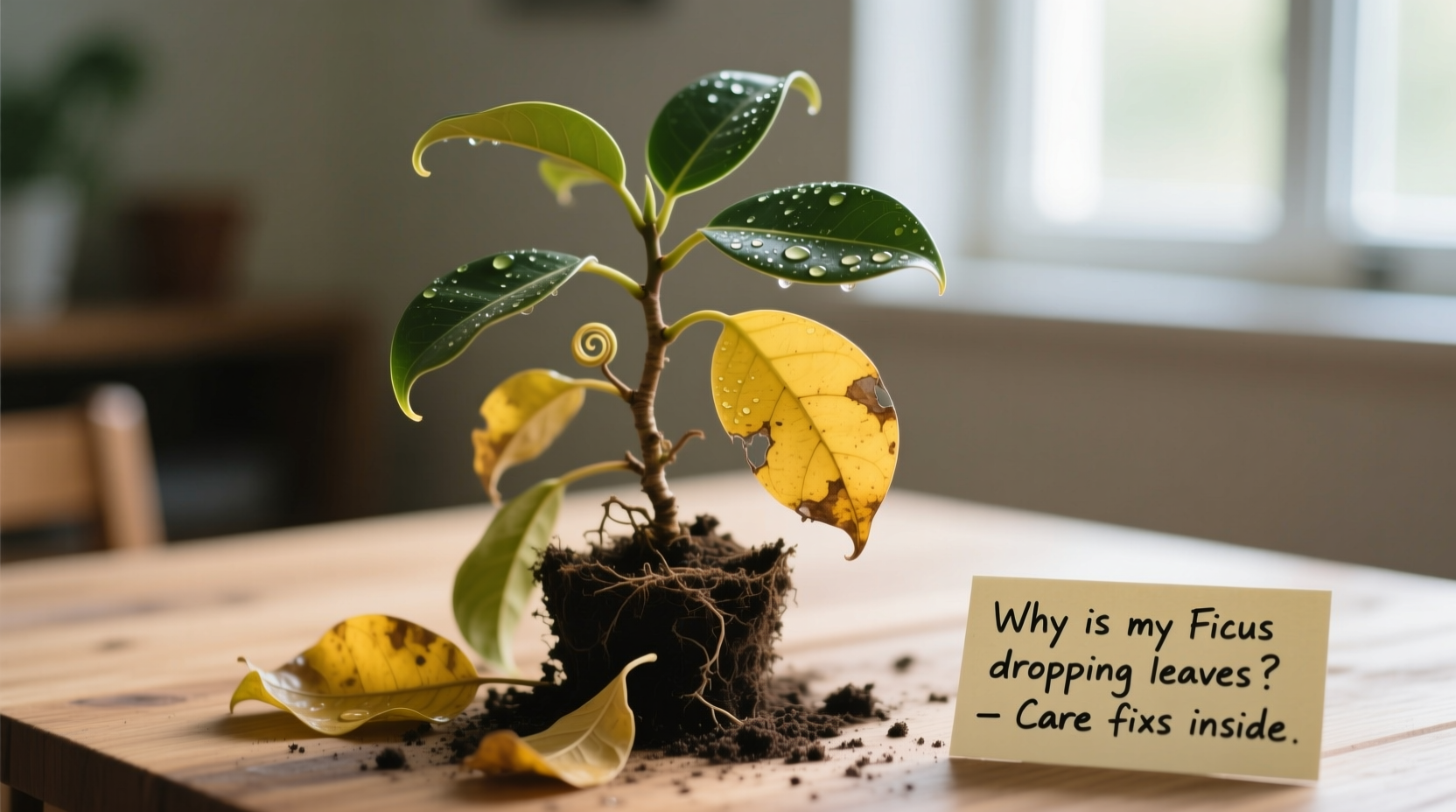
Ficus trees are inherently reactive to change. In their natural tropical habitats, they grow in stable environments with consistent warmth, humidity, and light. When moved indoors—or shifted within a home—they interpret changes as threats. This triggers a stress response, often manifesting as leaf drop.
Unlike desert plants adapted to fluctuation, ficus species prioritize survival over appearance when stressed. They shed leaves to conserve energy, redirect resources, and adapt to new conditions. While this behavior is normal, prolonged or repeated stress can weaken the plant, making recovery difficult.
“Ficus plants don’t just react to poor care—they react to change itself. Stability is more important than perfection.” — Dr. Lena Torres, Botanist & Indoor Plant Specialist
Common Causes of Sudden Leaf Drop
1. Environmental Relocation
Moving a ficus—even slightly—can cause shock. Whether you’ve brought it home from the nursery, rotated it for cleaning, or relocated it to a brighter room, the shift in light angle, temperature, or airflow may be enough to initiate leaf loss.
Newly purchased ficus plants often drop leaves within days of arriving at home. This is typically due to the drastic transition from greenhouse conditions to indoor living spaces with lower light and humidity.
2. Inconsistent Watering Practices
Both overwatering and underwatering disrupt root function. Overwatering leads to root rot, impairing nutrient uptake. Underwatering causes drought stress, prompting the plant to shed leaves to reduce transpiration.
Ficus roots require oxygen as much as moisture. When soil stays soggy, roots suffocate and decay, sending distress signals through the plant. Conversely, allowing the soil to dry out completely stresses the vascular system, leading to rapid leaf yellowing and drop.
3. Light Changes or Insufficient Exposure
Ficus plants thrive in bright, indirect light. A move away from a sunny window or exposure to prolonged low-light conditions forces the plant to adjust its photosynthetic capacity. Lower light means fewer leaves can be supported, so older or shaded foliage is shed.
Sudden exposure to direct sunlight after acclimation to shade can also burn leaves, causing them to turn brown and fall prematurely.
4. Temperature Fluctuations and Drafts
Ficus plants prefer temperatures between 65°F and 75°F (18°C–24°C). Exposure to cold drafts from windows, doors, or air conditioning units—even briefly—can trigger leaf drop. Similarly, hot air from radiators or heating vents dries out foliage and stresses the plant.
Seasonal transitions, especially in fall and winter, often coincide with increased leaf loss due to heating systems altering indoor microclimates.
5. Low Humidity Levels
Originating in humid tropics, ficus plants suffer in dry indoor air, particularly during winter months when heating reduces relative humidity. Dry air increases transpiration rates beyond what roots can replenish, leading to leaf curling, browning edges, and eventual drop.
Care Fixes: How to Stabilize Your Ficus
1. Minimize Movement After Placement
Once you’ve found an ideal spot for your ficus—near a bright east- or south-facing window, away from drafts—leave it there. Avoid rotating, relocating, or frequently adjusting its position. Allow several weeks for acclimation before making any changes.
If you must move the plant, do so gradually. For example, shift it a few feet every few days rather than across the room in one go.
2. Optimize Watering Routine
Water only when the top 1–2 inches of soil feel dry. Use your finger or a moisture meter to check. When watering, apply slowly until water drains from the bottom, then discard excess from the saucer after 15 minutes.
Use room-temperature water to avoid shocking the roots. Cold tap water straight from the faucet can contribute to stress, especially in winter.
3. Provide Consistent, Bright Indirect Light
Place your ficus within 3–5 feet of a bright window with filtered sunlight. Sheer curtains help diffuse harsh midday rays while maintaining adequate intensity. Rotate the plant only once monthly and by no more than 45 degrees to maintain even growth without triggering stress.
Avoid dark corners or rooms with minimal natural light. If necessary, supplement with a full-spectrum grow light placed 12–18 inches above the canopy for 10–12 hours daily.
4. Maintain Stable Temperature and Humidity
Keep your ficus away from HVAC vents, open windows, and exterior doors. Use a digital hygrometer to monitor humidity; aim for 40–60%. During dry seasons, increase moisture using one or more of these methods:
- Place a humidifier nearby
- Set the pot on a pebble tray filled with water (ensure the pot isn’t sitting in water)
- Mist foliage lightly in the morning (avoid over-misting, which can encourage fungal issues)
5. Prune and Clean Strategically
Remove any dead or yellowing leaves to redirect energy to healthy growth. Wipe dust from leaves monthly with a damp cloth to improve light absorption. Dust buildup blocks stomata and reduces photosynthesis efficiency.
Pruning should be done sparingly and only during active growing months (spring to early summer). Heavy pruning during dormancy or stress periods can compound leaf loss.
Troubleshooting Table: Symptoms and Solutions
| Symptom | Possible Cause | Recommended Fix |
|---|---|---|
| Sudden leaf drop after moving | Environmental shock | Leave in place for 4–6 weeks; avoid further changes |
| Yellowing leaves before drop | Overwatering or poor drainage | Check roots for rot; repot if needed with well-draining mix |
| Dry, crispy leaf edges | Low humidity or underwatering | Increase humidity; water when topsoil is dry |
| Brown spots on leaves | Direct sun scorch or fungal issue | Move to indirect light; remove affected leaves |
| Leaves dropping only from one side | Uneven light exposure or draft | Rotate slightly; inspect for airflow imbalances |
Step-by-Step Recovery Plan
If your ficus is already losing leaves, follow this timeline to support recovery:
- Week 1: Assess current conditions. Check light, water, temperature, and humidity. Eliminate drafts and relocate if necessary—but only once.
- Week 2: Adjust watering based on soil moisture. Do not fertilize yet. Remove fallen leaves from the pot surface to prevent mold.
- Week 3–4: Monitor for new growth or stabilization. Continue consistent care. Mist lightly if humidity is below 40%.
- Week 5–6: If no new leaf drop occurs, consider a half-strength balanced liquid fertilizer (e.g., 10-10-10) applied monthly during growing season.
- Week 7+: Resume normal maintenance. Only prune once new growth appears.
Recovery can take 4–8 weeks. Patience is essential—ficus plants respond slowly but steadily to improved conditions.
Mini Case Study: Reviving a Stressed Ficus Benjamina
Sarah adopted a large ficus benjamina from her office during a relocation. Within a week of bringing it home, the plant began dropping leaves rapidly—over 50 in ten days. Initially alarmed, she reviewed her care routine and discovered key issues: she had placed the plant near a sliding glass door exposed to evening AC drafts, watered it every five days regardless of soil moisture, and positioned it directly under a ceiling fan.
She took action: moved the ficus to a quiet corner with bright, indirect light, stopped overhead fans, adjusted watering to once every 10–12 days, and placed a small humidifier nearby. After three weeks, leaf drop ceased. By week six, tiny new buds appeared along the branches. Today, the plant is lush and stable—a testament to consistency over correction.
Care Checklist: Prevent Future Leaf Loss
Ficus Leaf Drop Prevention Checklist
- ✅ Place in bright, indirect light—no direct sun
- ✅ Water only when top 1–2 inches of soil are dry
- ✅ Keep away from drafts, heaters, and AC vents
- ✅ Maintain humidity above 40%
- ✅ Avoid moving the plant once settled
- ✅ Use well-draining potting mix (e.g., perlite + peat + pine bark)
- ✅ Clean leaves monthly to remove dust
- ✅ Fertilize lightly during spring/summer, not in fall/winter
FAQ: Common Questions About Ficus Leaf Drop
Is it normal for a ficus to lose leaves in winter?
Some leaf drop in winter is normal due to reduced light and lower humidity. However, excessive shedding usually indicates inadequate light, overwatering, or exposure to cold drafts. Adjust care accordingly but avoid repotting or fertilizing during dormancy.
Can I save my ficus if it’s lost most of its leaves?
Yes, as long as the stems are still firm and green, and there’s no foul smell from the soil (indicating root rot), recovery is possible. Cut back on watering, ensure proper light, and wait. New growth often emerges from dormant buds along the trunk within 4–8 weeks.
Should I repot my ficus if it’s dropping leaves?
Only if root rot or severe overcrowding is suspected. Repotting adds stress, so it should be a last resort. Look for roots circling the surface or emerging from drainage holes, or mushy, dark roots when checking. If needed, repot in spring using a container only 1–2 inches larger in diameter.
Conclusion: Stability Is the Key to Success
A ficus doesn’t demand perfection—it demands consistency. The most effective way to stop leaf drop is not through aggressive interventions, but through creating a stable, predictable environment. Once acclimated, a ficus can thrive for decades, becoming a living centerpiece in your home.
Start today by evaluating your plant’s location, watering habits, and exposure to temperature shifts. Implement one or two improvements at a time, and resist the urge to tinker too much. Nature favors balance, and your ficus will reward patience with resilience.




 浙公网安备
33010002000092号
浙公网安备
33010002000092号 浙B2-20120091-4
Comments
No comments yet. Why don't you start the discussion?