
The fiddle leaf fig (Ficus lyrata) is a beloved houseplant known for its broad, violin-shaped leaves and dramatic presence in interior spaces. But when those lush green leaves start yellowing or falling off, it can be alarming—even disheartening—for plant owners. Leaf drop isn't just cosmetic; it's a signal. Your fiddle leaf fig is communicating stress. The good news? Most causes are reversible with the right adjustments. Understanding the root reasons behind leaf loss—and correcting common care missteps—can bring your plant back to vibrant health.
Understanding Normal vs. Abnormal Leaf Drop
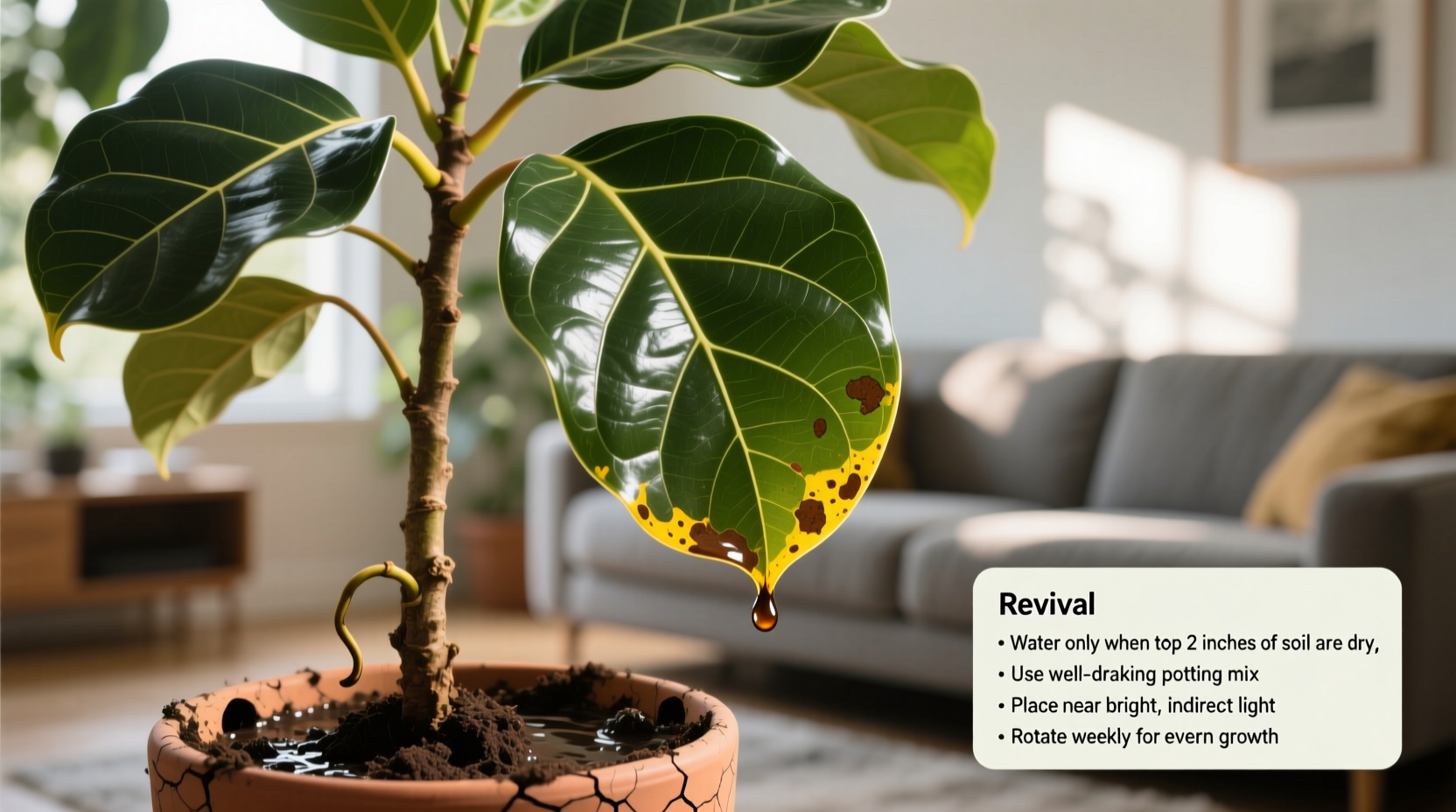
Not all leaf drop is cause for panic. Fiddle leaf figs naturally shed older, lower leaves as they grow upward. This process allows the plant to redirect energy toward new growth at the top. However, if you're noticing multiple leaves falling rapidly, especially from the middle or upper canopy, or if younger leaves are yellowing and dropping before maturing, this indicates a problem.
Abnormal leaf drop often stems from environmental stress, improper watering, or inadequate light. Unlike seasonal shedding in outdoor trees, indoor fiddle leaf figs should maintain consistent foliage year-round with proper care. Sudden changes in temperature, inconsistent moisture levels, or poor root health disrupt their delicate balance.
“Fiddle leaf figs are sensitive indicators of their environment. When they lose leaves, they’re not failing—they’re responding.” — Dr. Lena Torres, Botanist & Indoor Plant Specialist
Top 5 Causes of Leaf Drop (And How to Fix Them)
1. Overwatering or Poor Drainage
Overwatering is the leading cause of fiddle leaf fig decline. These plants prefer a cycle of moist soil followed by partial drying. When roots sit in waterlogged soil, they suffocate and begin to rot. Root rot prevents nutrient uptake, leading to yellowing, drooping, and eventual leaf drop.
Signs of overwatering include:
- Leaves turning yellow starting from the base
- Mushy, dark stems or soil that smells sour
- Soil remaining wet for more than 7–10 days after watering
To correct overwatering:
- Stop watering immediately.
- Remove the plant from its pot and inspect roots. Trim any black, mushy roots with sterilized scissors.
- Repot in fresh, well-draining soil using a container with drainage holes.
- Resume watering only when the top half of the soil is dry.
2. Inconsistent Watering Schedule
Fiddle leaf figs dislike erratic moisture levels. Going from bone-dry to saturated stresses the plant, triggering leaf drop. This inconsistency damages root function and leads to physiological shock.
A better approach is a predictable routine based on actual soil conditions—not the calendar. In warmer months, watering every 7–10 days may be necessary. In winter, this can extend to every 2–3 weeks depending on light and humidity.
3. Insufficient or Improper Light
Fiddle leaf figs thrive in bright, indirect light. Too little light slows photosynthesis, weakens leaves, and halts growth. Direct afternoon sun, however, can scorch leaves, causing brown spots and premature drop.
Optimal placement is near a large east- or west-facing window with filtered light. Rotate the plant monthly for even growth. If natural light is limited, supplement with a full-spectrum grow light for 10–12 hours daily.
4. Low Humidity and Dry Air
Native to tropical regions, fiddle leaf figs prefer humidity levels between 40% and 60%. In heated or air-conditioned homes, indoor humidity often drops below 30%, leading to dry leaf edges, browning, and leaf drop.
To increase humidity:
- Use a humidifier nearby
- Group plants together to create a microclimate
- Place the pot on a pebble tray filled with water (ensure the pot isn’t sitting directly in water)
5. Sudden Environmental Changes
Fiddle leaf figs are highly sensitive to relocation. Moving them from a nursery to your home, shifting rooms, or even rotating the plant too frequently can trigger stress-induced leaf drop.
This adjustment period—sometimes lasting several weeks—is normal. Avoid making multiple changes at once (e.g., repotting and moving location simultaneously). Allow the plant time to acclimate before introducing new variables.
Common Mistakes That Sabotage Recovery
Even with good intentions, many plant owners unknowingly worsen the situation. Here are frequent errors to avoid:
| Mistake | Why It’s Harmful | Better Approach |
|---|---|---|
| Watering on a fixed schedule | Ignores seasonal and environmental changes in soil drying rate | Water only when the top 2 inches of soil are dry |
| Using heavy garden soil | Compacts easily and retains too much moisture | Use a mix of potting soil, perlite, and orchid bark for aeration |
| Repotting during stress | Adds additional shock when the plant is already struggling | Wait until signs of recovery before repotting |
| Cutting too many leaves at once | Reduces photosynthetic capacity needed for recovery | Remove only dead or severely damaged leaves gradually |
| Ignoring dust buildup | Dust blocks light absorption and clogs leaf pores | Wipe leaves monthly with a damp cloth |
Step-by-Step Revival Plan for a Struggling Fiddle Leaf Fig
If your fiddle leaf fig is losing leaves, follow this structured recovery timeline to stabilize and revive it:
- Assess the current state: Check for soggy soil, root rot, pests, and light exposure. Note which leaves are affected and where.
- Adjust watering: Let the soil dry partially between waterings. Discard excess water from saucers after 15 minutes.
- Improve lighting: Move the plant to a brighter spot with indirect sunlight. Avoid direct midday sun.
- Increase humidity: Place a humidifier nearby or use a pebble tray to raise ambient moisture.
- Clean the leaves: Gently wipe both sides of remaining leaves with a soft, damp cloth to enhance light absorption.
- Inspect for pests: Look under leaves and along stems for spider mites, mealybugs, or scale. Treat with insecticidal soap if found.
- Hold off on fertilizing: Do not fertilize a stressed plant. Wait until new growth appears, then feed monthly with a balanced liquid fertilizer diluted to half strength.
- Monitor progress: Track leaf retention, new growth, and soil drying time weekly. Adjust care as needed.
Recovery takes patience. You may not see improvement for 4–6 weeks. Signs of progress include firm stems, new leaf buds, and stabilized leaf drop.
Real-Life Example: Reviving a Neglected Fiddle Leaf Fig
Sarah, a first-time plant owner in Chicago, bought a fiddle leaf fig from a big-box store in late fall. Within two months, it lost six lower leaves. She assumed it needed more water and increased her watering to twice a week. The plant continued declining.
After researching, she realized her apartment’s heating system had dried the air, and her north-facing window provided insufficient light. The soil stayed damp for over two weeks. She took action:
- Stopped watering and let the soil dry completely.
- Moved the plant to an east-facing window with morning sun.
- Placed a small humidifier nearby.
- Repotted it in a gritty mix with perlite and orchid bark.
Within three weeks, leaf drop ceased. A new leaf unfurled eight weeks later. Today, her plant stands over five feet tall with a full canopy—proof that informed care makes all the difference.
Essential Care Checklist for Healthy Fiddle Leaf Figs
Prevention is the best strategy. Use this checklist to maintain optimal health and prevent future leaf drop:
- ✅ Provide bright, indirect light for 6–8 hours daily
- ✅ Water only when the top 2 inches of soil are dry
- ✅ Use a well-draining potting mix with perlite or bark
- ✅ Ensure the pot has drainage holes
- ✅ Maintain humidity above 40%
- ✅ Wipe leaves monthly to remove dust
- ✅ Rotate the plant 90 degrees weekly for even growth
- ✅ Fertilize monthly during spring and summer (diluted)
- ✅ Inspect regularly for pests and disease
- ✅ Avoid sudden moves or drafts from HVAC vents
Frequently Asked Questions
Can a fiddle leaf fig survive with only a few leaves left?
Yes. As long as the stem is firm and there are still viable nodes, the plant can recover. Focus on stabilizing root health and providing ideal conditions. New growth will eventually emerge from dormant buds.
How long does it take for a fiddle leaf fig to stop dropping leaves after care changes?
Most plants stabilize within 4–6 weeks after correcting issues like overwatering or low light. However, full recovery and new growth may take 2–3 months. Consistency is key during this phase.
Should I mist my fiddle leaf fig to increase humidity?
Misting provides only temporary humidity and can promote fungal issues if water sits on leaves. It’s less effective than using a humidifier or pebble tray. If you mist, do so early in the day and ensure good air circulation.
Final Thoughts: Patience and Observation Are Everything
Leaf drop in fiddle leaf figs is rarely about one single mistake—it’s usually a combination of factors that accumulate over time. The path to recovery isn’t about quick fixes but consistent, attentive care. These plants respond remarkably well when given stable conditions and respect for their natural needs.
By understanding what your plant is telling you through its leaves, adjusting your habits, and avoiding common pitfalls, you can transform a struggling specimen into a thriving centerpiece. Every dropped leaf is a lesson; every new bud, a victory.




 浙公网安备
33010002000092号
浙公网安备
33010002000092号 浙B2-20120091-4
Comments
No comments yet. Why don't you start the discussion?