
Fish are naturally graceful swimmers, gliding through water with balance and precision. When a fish begins swimming sideways—tilting, listing, or struggling to maintain upright posture—it’s a clear signal that something is wrong. This abnormal behavior is not normal and often points to underlying health or environmental problems. While it may seem like a minor quirk at first, sideways swimming can indicate serious conditions such as swim bladder disorder, infections, poor water quality, or even physical trauma. Addressing the issue promptly increases the chances of recovery and prevents further complications in your aquarium ecosystem.
Understanding Normal vs. Abnormal Swimming Behavior
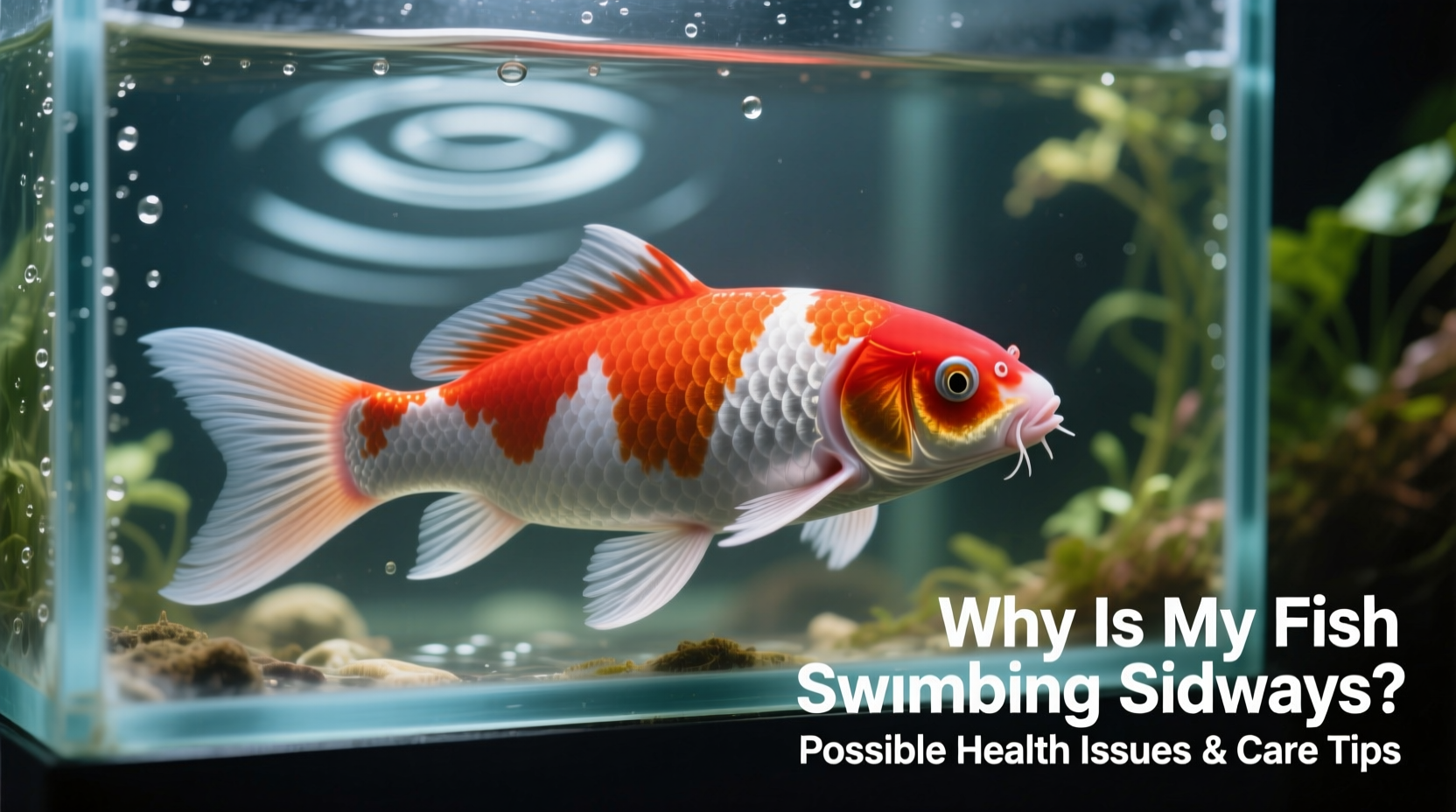
Fish rely on their swim bladder—a gas-filled organ that helps control buoyancy—to maintain proper orientation in the water. When functioning correctly, the swim bladder allows fish to hover, rise, or sink smoothly without tilting or rolling. However, when this system is disrupted, fish may float at odd angles, swim in circles, or struggle to stay level.
Sideways swimming is especially concerning because it affects mobility, feeding, and stress levels. Fish that cannot swim properly expend more energy just to stay afloat, which weakens them over time. In community tanks, affected fish may also become targets for aggression from tank mates due to their vulnerability.
It's important to distinguish between occasional erratic movement—such as brief darting during feeding—and consistent imbalance. If your fish repeatedly swims on its side, rolls over, or sinks abnormally, intervention is needed.
Common Causes of Sideways Swimming in Fish
Several factors can lead to sideways swimming. Some are related to internal health, while others stem from improper tank conditions. Identifying the root cause is essential for effective treatment.
1. Swim Bladder Disorder
The most frequent culprit behind unbalanced swimming is swim bladder dysfunction. This condition impairs a fish’s ability to regulate buoyancy, causing it to float upside down, sink to the bottom, or drift sideways. It’s particularly common in goldfish and bettas due to their compact body shapes.
Causes include:
- Overfeeding leading to constipation and organ compression
- Swallowing air while eating dry floating foods
- Bacterial or parasitic infections affecting the swim bladder
- Physical deformities or congenital defects
2. Poor Water Quality
Water parameters directly impact fish health. Elevated ammonia, nitrite, or fluctuating pH levels damage gills and impair organ function, including the swim bladder. Chronic exposure stresses the immune system, making fish more susceptible to illness.
Cloudy water, algae blooms, or strong odors from the tank often accompany poor water conditions. Regular testing with a liquid test kit (not strips) provides accurate readings.
3. Bacterial or Parasitic Infections
Infections such as Aeromonas or Pseudomonas can inflame internal organs, including the swim bladder. These pathogens enter through wounds, contaminated food, or weakened immunity caused by stress.
Symptoms beyond sideways swimming may include lethargy, loss of appetite, bloating, red streaks on fins, or clamped fins.
4. Physical Injury or Trauma
Fish can sustain injuries during transport, netting, or aggressive encounters with tank mates. Internal damage—even without visible wounds—can disrupt balance mechanisms. Sharp decorations or cramped spaces increase injury risk.
5. Temperature Fluctuations
Cold water slows digestion and metabolic processes. For tropical species, temperatures below 74°F (23°C) can cause sluggishness and impaired swim bladder function. Sudden temperature changes are equally harmful.
6. Dietary Issues
Dry pellets expand when wet. If consumed quickly, they can swell inside the digestive tract, pressing against the swim bladder. A lack of fiber-rich foods also contributes to constipation, exacerbating buoyancy problems.
“Swim bladder issues are rarely isolated—they’re usually symptoms of broader husbandry problems.” — Dr. Laura Chen, Aquatic Veterinarian
Step-by-Step Guide to Diagnosing and Treating Sideways Swimming
Follow this structured approach to identify and resolve the cause of your fish’s imbalance.
- Observe and Document Symptoms
Record how long the behavior has been occurring, whether it happens constantly or intermittently, and any additional signs such as bloating, clamped fins, or rapid breathing. - Test Water Parameters
Use a reliable aquarium test kit to check:- Ammonia: should be 0 ppm
- Nitrite: 0 ppm
- Nitrate: under 40 ppm
- pH: stable within species-specific range (e.g., 6.5–7.5 for bettas)
- Temperature: appropriate for your fish type
- Fast the Fish for 2–3 Days
Stop feeding to allow the digestive system to clear. This reduces pressure on the swim bladder and helps rule out constipation-related issues. - Feed Cooked Peas (After Fasting)
Blanch one pea, remove the skin, and offer a small piece. High in fiber, peas help relieve constipation. Feed once every other day during recovery. - Elevate Water Temperature (If Applicable)
For tropical fish, raise the temperature gradually to 78–80°F (25–27°C) using a heater. Warmer water improves digestion and boosts metabolism. - Switch to Sinking or Soaked Foods
If feeding dry flakes or pellets, soak them in tank water for 5 minutes before adding them. Alternatively, use sinking pellets or gel-based foods to reduce air ingestion. - Monitor for Improvement Over 5–7 Days
If the fish regains balance after fasting and dietary adjustments, the issue was likely digestive. If no improvement, consider medical treatment. - Administer Medication if Infection is Suspected
Use broad-spectrum antibiotics like kanamycin or metronidazole under veterinary guidance. Avoid medicated foods unless prescribed, as self-diagnosis can worsen conditions.
Prevention Checklist: How to Keep Your Fish Swimming Straight
Preventing sideways swimming starts with proactive care. Use this checklist to maintain optimal tank health:
- ✅ Test water weekly and perform regular partial water changes (20–30% every 7–10 days)
- ✅ Feed high-quality, varied diet including vegetables and live/frozen options
- ✅ Soak dry food before feeding to prevent air ingestion
- ✅ Avoid overfeeding—offer only what fish can consume in 2–3 minutes
- ✅ Maintain stable water temperature with a reliable heater and thermometer
- ✅ Provide smooth, safe decorations without sharp edges
- ✅ Quarantine new fish for 2–4 weeks before introducing to main tank
- ✅ Keep tank appropriately sized—overcrowding increases stress and waste buildup
Do’s and Don’ts When Your Fish Swims Sideways
| Do’s | Don’ts |
|---|---|
| Fast the fish for 2–3 days to relieve digestive pressure | Continue feeding regular dry food during episodes |
| Feed cooked, deshelled peas to aid digestion | Force-feed or handle the fish unnecessarily |
| Perform a 25% water change with conditioned water | Change all the water at once—this shocks the fish |
| Use a hospital tank for treatment if needed | Add medication to the main tank without diagnosis |
| Keep the environment calm with dimmed lights and minimal disturbance | Net or chase the fish during recovery |
Real Example: Goldfish Recovery After Swim Bladder Episode
Marissa, an aquarium hobbyist in Portland, noticed her fantail goldfish, Miso, swimming sideways and floating head-up at the surface. Initially, she assumed it was playful behavior, but after two days, Miso stopped eating and spent most of its time resting at the bottom.
She tested the water and found elevated nitrates (60 ppm). She performed a 30% water change and fasted Miso for three days. On day four, she offered a small piece of blanched pea. Within 48 hours, Miso began swimming more normally and resumed eating soaked pellets.
Marissa switched to sinking pellets and added weekly water testing to her routine. Six months later, Miso remains healthy and balanced. Her experience highlights how simple interventions—when applied early—can reverse swim bladder issues without medication.
Frequently Asked Questions
Can swim bladder disorder be cured?
Yes, in many cases. If caused by constipation or temporary stress, fasting and dietary changes often lead to full recovery. Chronic cases due to structural damage may require lifelong management, but fish can still live comfortably with adjusted care.
Is sideways swimming contagious?
Not directly. The behavior itself isn’t contagious, but if caused by infection (e.g., bacterial swim bladder disease), the pathogen can spread to other fish, especially in poor water conditions. Isolate sick fish if infection is suspected.
Should I euthanize a fish that can't swim properly?
Euthanasia should only be considered if the fish shows no response to treatment over several weeks, cannot eat, or appears to be in distress. Most cases of sideways swimming improve with proper care. Consult an aquatic veterinarian before making this decision.
Conclusion: Act Early, Care Consistently
Sideways swimming in fish is a warning sign, not a death sentence. With attentive observation and timely action, many underlying causes can be reversed. The key lies in addressing both immediate symptoms and long-term tank management. Clean water, proper nutrition, and a stress-free environment form the foundation of fish health.
Don’t wait until the condition worsens. Start with water testing, adjust feeding practices, and monitor closely. Small changes today can prevent bigger problems tomorrow. Your fish depends on you to notice when something’s wrong—and to respond with care.




 浙公网安备
33010002000092号
浙公网安备
33010002000092号 浙B2-20120091-4
Comments
No comments yet. Why don't you start the discussion?