
Finding your fish floating at the surface upside down or struggling to maintain balance can be alarming. This behavior is often a sign of swim bladder disorder—a common but treatable condition in aquarium fish, especially goldfish and bettas. The swim bladder is an internal organ that helps fish control their buoyancy. When it malfunctions, normal swimming becomes difficult. While not always life-threatening, untreated swim bladder issues can lead to stress, secondary infections, or starvation if the fish cannot reach food. Understanding the causes, recognizing early signs, and taking prompt corrective action are essential for restoring your fish’s health.
Understanding the Swim Bladder and Its Function
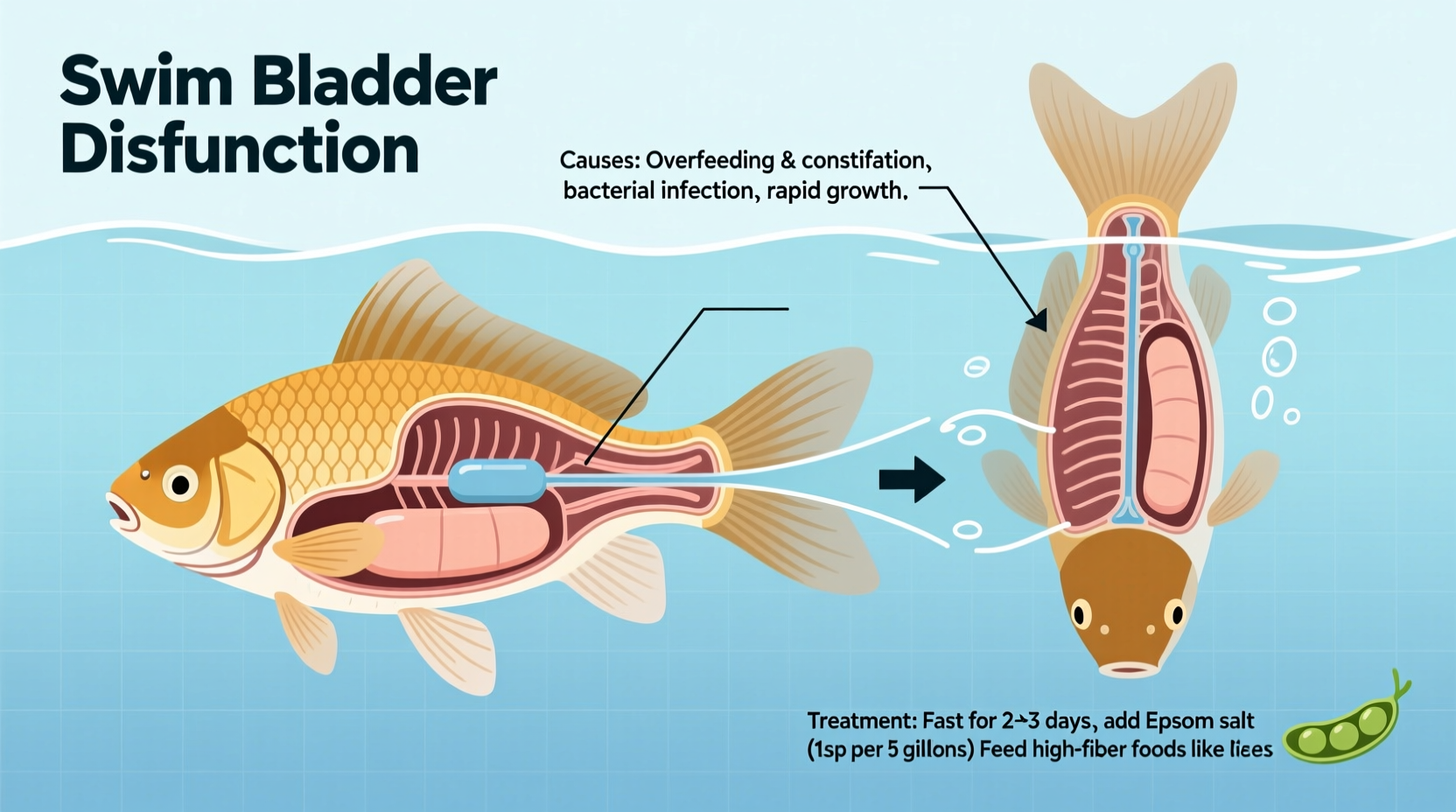
The swim bladder is a gas-filled sac located in the dorsal portion of a fish’s body cavity. By adjusting the amount of gas inside this organ, fish can rise, sink, or remain neutrally buoyant in the water column without constant swimming. It functions much like a scuba diver’s buoyancy compensator. In most bony fish, the swim bladder is connected to the digestive tract via a pneumatic duct, allowing gas exchange through the bloodstream or direct gulping of air at the surface.
When the swim bladder becomes compromised—whether due to physical compression, infection, or gas imbalance—the fish loses its ability to stabilize itself. This leads to abnormal swimming patterns such as rolling, bobbing vertically, floating upside down, or sinking to the bottom. While these symptoms resemble intoxication, they indicate a physiological problem requiring attention.
“Swim bladder disorders are among the most commonly misdiagnosed conditions in home aquariums. Many owners assume it’s fatal when, in fact, most cases resolve with simple environmental and dietary changes.” — Dr. Lena Patel, Aquatic Veterinarian
Common Causes of Swim Bladder Problems
Swim bladder dysfunction rarely stems from a single cause. Instead, it typically results from a combination of poor husbandry practices, anatomical predisposition, or underlying illness. Identifying the root cause is critical for effective treatment.
- Poor diet and overfeeding: Dry flake or pellet foods absorb water in the gut and expand, causing constipation and compressing the swim bladder. Overeating exacerbates this issue.
- Rapid eating and air ingestion: Fish that gulp food too quickly, especially at the surface, swallow excess air, leading to gas buildup and buoyancy problems.
- Anatomical issues: Fancy goldfish and bettas have been selectively bred for round, compact bodies, which can crowd internal organs and impair swim bladder function.
- Bacterial or parasitic infections: Internal infections can inflame the swim bladder or surrounding tissues, disrupting normal operation.
- Water quality issues: High ammonia, nitrite, or fluctuating pH levels stress fish and weaken their immune systems, making them more susceptible to organ dysfunction.
- Temperature fluctuations: Cold water slows digestion, increasing the risk of constipation and gas buildup.
- Physical trauma: Injury from tank mates, nets, or sharp decorations may damage the swim bladder directly.
Step-by-Step Guide to Treating Swim Bladder Issues
Treating swim bladder disorder involves addressing both immediate symptoms and underlying causes. Follow this structured approach to maximize recovery chances:
- Observe and isolate (if necessary): Monitor the fish closely. If aggression from tank mates is likely, move the affected fish to a quarantine tank with similar water parameters.
- Fast the fish for 2–3 days: A short fast allows the digestive system to clear blockages. During this time, do not feed at all.
- Feed cooked, shelled peas: After fasting, offer one or two softened, de-shelled peas per day. Peas act as a natural laxative and help relieve constipation. Mash them slightly for easier consumption.
- Improve water quality: Perform a 30% water change, clean the substrate, and check filter function. Test ammonia, nitrite, and nitrate levels; all should be within safe ranges (ammonia and nitrite = 0 ppm).
- Adjust water temperature: For tropical fish, maintain 76–80°F (24–27°C). Warmer temperatures support efficient digestion.
- Switch to easily digestible foods: Temporarily replace dry pellets with frozen or live foods like brine shrimp or daphnia. These are less likely to cause bloating.
- Reduce surface feeding: If your fish gulps air while eating, soak food before feeding or use sinking pellets.
- Monitor progress daily: Most fish show improvement within 3–5 days. If no change occurs after a week, consider bacterial infection and consult a vet about antibiotic options.
Do’s and Don’ts When Managing Swim Bladder Disorder
| Do’s | Don’ts |
|---|---|
| Fast the fish for 2–3 days to clear blockages | Continue feeding regular dry food during treatment |
| Feed cooked peas to relieve constipation | Give high-carbohydrate or dry-only diets during recovery |
| Maintain stable, warm water temperatures | Allow large temperature swings or cold drafts near the tank |
| Perform regular water changes and test parameters | Ignore poor water quality or delay maintenance |
| Use sinking or pre-soaked foods to reduce air intake | Encourage surface feeding with floating foods |
| Isolate severely impaired fish if bullied | Handle the fish unnecessarily or stress it further |
Real Example: Recovery of a Constipated Goldfish
Sarah, a hobbyist in Portland, noticed her fantail goldfish, Bubbles, floating upside down every morning. Though active and alert, Bubbles couldn’t stay upright and struggled to eat. She initially feared the worst but decided to investigate. After researching, she realized Bubbles had been fed exclusively dry pellets and was often seen gulping at the surface.
Sarah followed the treatment steps: she fasted Bubbles for three days, then introduced mashed, boiled peas. She also performed a 30% water change and adjusted the heater to maintain 78°F. Within two days, Bubbles began swimming normally. By day six, buoyancy was fully restored. Sarah now soaks all dry food and feeds peas once a week as a preventive measure. Bubbles has remained healthy for over eight months since the episode.
When to Suspect a Permanent or Severe Condition
In some cases, swim bladder issues may not resolve completely. Chronic or permanent impairment can occur due to:
- Genetic deformities in fancy breeds
- Severe internal damage from injury or infection
- Organ compression due to tumors or cysts
If your fish stabilizes but continues to float or sink abnormally despite proper care, it may adapt to life with limited mobility. Provide shallow water zones, resting spots near the surface, and easy access to food. Most fish can live comfortably with chronic swim bladder issues as long as stressors are minimized.
Prevention Checklist for Long-Term Health
Preventing swim bladder issues is far more effective than treating them. Use this checklist to maintain optimal conditions in your aquarium:
- ✅ Feed a varied diet including vegetables, live, and frozen foods
- ✅ Soak dry foods before feeding
- ✅ Avoid overfeeding—offer only what the fish can consume in 2–3 minutes
- ✅ Maintain consistent water temperature appropriate for the species
- ✅ Perform weekly water changes (20–30%)
- ✅ Test water parameters regularly (ammonia, nitrite, nitrate, pH)
- ✅ Use a high-quality filtration system suited to tank size
- ✅ Quarantine new fish before introducing them to the main tank
- ✅ Choose tank mates carefully to avoid aggression or stress
- ✅ Clean decorations and substrate monthly to prevent waste buildup
Frequently Asked Questions
Can swim bladder disorder be contagious?
No, swim bladder disorder itself is not contagious. However, if caused by a bacterial infection, pathogens may spread to other fish under poor water conditions. Always monitor tank mates and maintain hygiene.
Should I euthanize a fish with permanent swim bladder damage?
Not necessarily. Many fish adapt well to buoyancy issues and live full lives with minor accommodations. Euthanasia should only be considered if the fish shows signs of pain, cannot eat, or is being aggressively targeted by others.
Are certain fish more prone to swim bladder problems?
Yes. Fancy goldfish (e.g., Orandas, Ranchus, Lionheads) and bettas are particularly susceptible due to their compressed body shapes. Round-bodied varieties are at higher risk than slender, wild-type fish.
Conclusion: Act Early, Care Consistently
Fish swimming upside down is a distress signal, not a death sentence. With timely intervention, most swim bladder issues can be resolved using simple dietary and environmental adjustments. The key is observation—catching the problem early increases recovery odds significantly. Fasting, feeding peas, improving water quality, and adjusting feeding practices form the cornerstone of effective treatment.
More importantly, prevention through responsible feeding and tank maintenance ensures your fish remain healthy and buoyant for years. Every aquarist will face health challenges, but responding with knowledge and care transforms concern into confidence.




 浙公网安备
33010002000092号
浙公网安备
33010002000092号 浙B2-20120091-4
Comments
No comments yet. Why don't you start the discussion?