
A cloudy fish tank can be frustrating—especially when you've just set up your aquarium or spent time cleaning it. The water may look milky, hazy, or even green within hours or days, undermining both the visual appeal and health of your aquatic environment. While many turn to chemical clarifiers, there are proven natural methods to address and prevent cloudiness. Understanding the root causes is the first step toward a consistently clear, thriving tank.
What Causes Rapid Cloudiness in Fish Tanks?
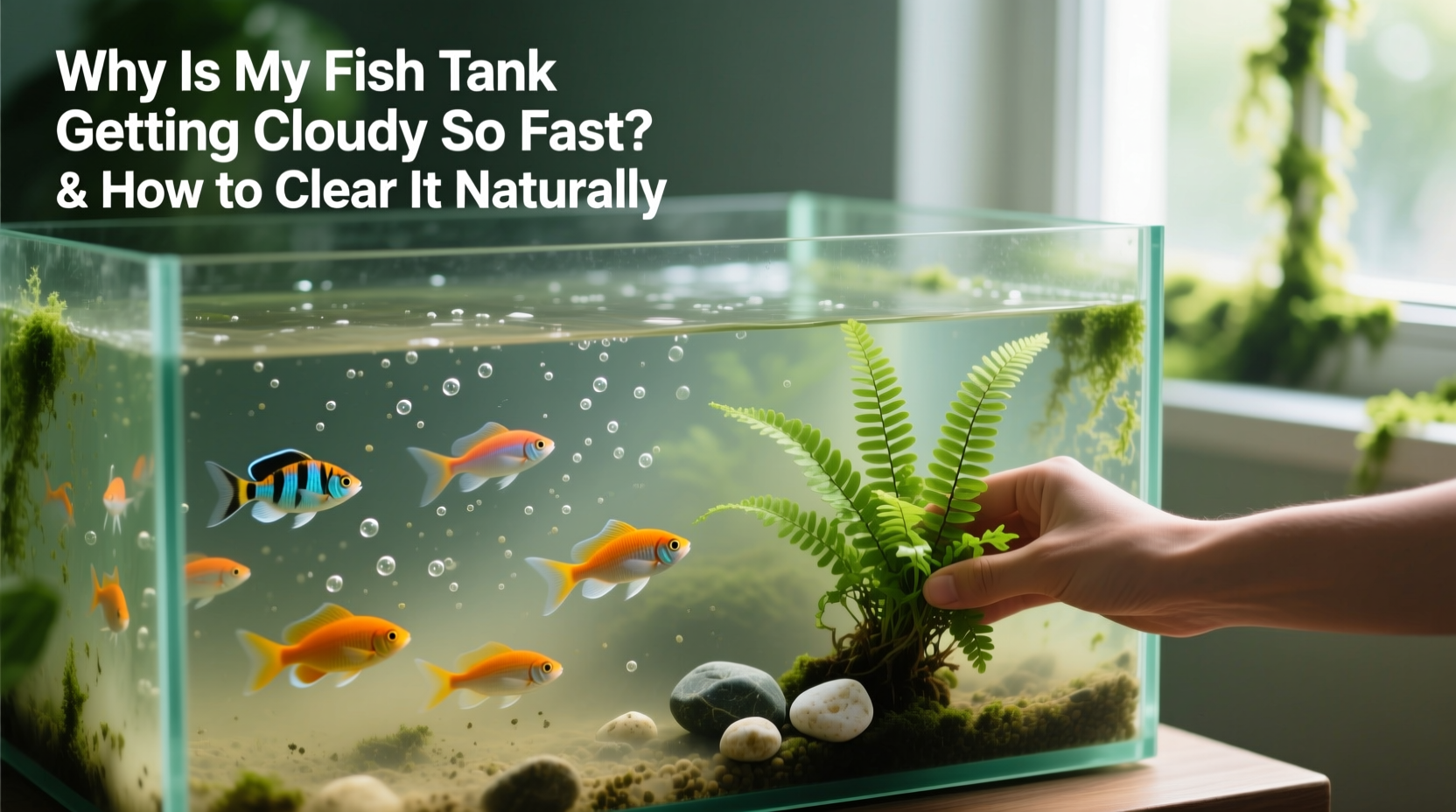
Cloudy water in aquariums isn't one single issue—it's a symptom with multiple potential causes. Identifying the type of cloudiness helps determine the right solution.
- White or Milky Cloudiness: Often caused by a bacterial bloom during the initial cycling phase of a new tank. Beneficial bacteria multiply rapidly to process ammonia, creating a temporary haze.
- Green Cloudiness: Results from algae overgrowth due to excessive light, high nutrient levels (nitrates and phosphates), or poor maintenance.
- Gray or Murky Water: Usually due to fine debris, uneaten food, or substrate disturbance. This indicates mechanical filtration issues or overfeeding.
These conditions often arise from imbalances in the nitrogen cycle, overstocking, poor filtration, or improper setup practices. New tanks are especially vulnerable during the first few weeks while beneficial bacteria colonies establish themselves.
The Nitrogen Cycle: Foundation of a Clear Tank
The nitrogen cycle is the backbone of a healthy aquarium. It converts toxic fish waste (ammonia) into less harmful substances through biological filtration.
- Fish waste and decomposing food release ammonia, which is highly toxic.
- Nitrosomonas bacteria convert ammonia into nitrite, still dangerous but less so.
- Nitrobacter bacteria then transform nitrite into nitrate, which is relatively safe at low levels.
- Nitrates are removed via water changes or consumed by live plants.
In new tanks, this cycle hasn’t fully established. When you add fish too soon, ammonia spikes trigger a bacterial bloom—millions of microbes multiplying rapidly, causing white cloudiness. This phase typically lasts 1–3 weeks if managed properly.
“Many beginners mistake bacterial blooms for disease or contamination. In reality, it’s a sign that the tank is developing its biological filter.” — Dr. Alan Perez, Aquatic Biologist
Natural Methods to Clear a Cloudy Aquarium
Instead of relying on chemical additives, focus on restoring balance using natural, sustainable strategies. These methods not only clear the water but also improve long-term tank health.
1. Patience During Initial Cycling
For new tanks experiencing bacterial bloom, the best action is often no action. Avoid changing large volumes of water or adding clarifiers, as this disrupts the developing microbiome. Instead:
- Test water daily for ammonia, nitrite, and nitrate.
- Feed sparingly to minimize waste.
- Ensure adequate surface agitation for oxygen exchange.
2. Introduce Live Plants
Live aquatic plants like Java fern, Anubias, hornwort, and duckweed compete with algae for nutrients and absorb nitrates and phosphates—starving out green water outbreaks. Floating plants are particularly effective at reducing light penetration, which curbs algae growth.
3. Optimize Filtration Naturally
Your filter should house both mechanical and biological media. Consider enhancing it with natural materials:
- Lava rock or ceramic rings: Provide porous surfaces for beneficial bacteria.
- Aquarium-safe sponges: Trap fine particles without clogging quickly.
- Peat moss (in moderation): Can help clarify water and slightly soften it, though not suitable for all fish types.
4. Use Algae-Eating Clean-Up Crews
Add natural cleaners such as:
- Amano shrimp – excellent algae consumers.
- Otocinclus catfish – gentle grazers ideal for planted tanks.
- Nerite snails – prolific algae eaters that don’t reproduce in freshwater.
These species help maintain clarity by preventing biofilm and algal buildup on glass and decor.
5. Perform Regular, Small Water Changes
Replace 10–20% of the water weekly using dechlorinated water matched to tank temperature. This dilutes excess nutrients and removes suspended particles without shocking the system.
Step-by-Step Guide to Restoring Clarity Naturally
Follow this timeline to clear a persistently cloudy tank using only natural methods:
- Day 1: Assess and Test
Check water parameters (ammonia, nitrite, nitrate, pH). Identify the type of cloudiness. Stop feeding for 24 hours if overfeeding is suspected. - Day 2: Clean Gently
Vacuum the substrate thoroughly. Wipe the inside of the glass with an algae magnet or pad. Do not clean filter media under tap water—rinse it in removed tank water to preserve bacteria. - Day 3: Reduce Light Exposure
Limit lighting to 6 hours per day. Cover the tank with a towel if ambient room light is strong. This helps combat green water algae. - Day 4–7: Introduce Natural Competitors
Add live plants or clean-up crew members. Monitor for signs of improvement. Continue testing water every other day. - Week 2: Establish Routine Maintenance
Begin weekly 15% water changes. Feed only what fish consume in 2 minutes, once daily. Ensure filter flow is unobstructed. - Week 3+: Maintain Balance
By now, water should stabilize. Continue monitoring and adjust feeding or lighting as needed. A stable tank rarely clouds if maintained consistently.
Common Mistakes That Worsen Cloudiness
Even with good intentions, certain habits can prolong or cause recurring cloudiness. Avoid these pitfalls:
| Mistake | Why It’s Harmful | Better Alternative |
|---|---|---|
| Overcleaning the filter | Kills beneficial bacteria, restarting the cycle | Rinse media in old tank water during water changes |
| Adding too many fish at once | Overloads the system with waste | Stock slowly, allowing bacteria to catch up |
| Using tap water without dechlorinator | Chlorine kills good bacteria and stresses fish | Always treat new water before adding |
| Feeding more than once daily | Excess food decays and feeds bacteria/algae | Feed small amounts once a day |
| Running lights 12+ hours a day | Triggers aggressive algae growth | Limit to 6–8 hours with a timer |
Mini Case Study: Recovering a Chronically Cloudy 30-Gallon Tank
Sarah, a beginner aquarist, struggled with her 30-gallon community tank turning green within two days of cleaning. Despite frequent water changes and store-bought clarifiers, the problem returned.
After consulting an aquarium specialist, she discovered three key issues:
- Her LED lights were on for 14 hours daily.
- She was feeding twice a day, leaving visible leftover food.
- The filter sponge hadn’t been rinsed in six months and was clogged.
She implemented natural fixes:
- Reduced lighting to 6 hours using a timer.
- Started weekly 20% water changes with gravel vacuuming.
- Cleaned the filter gently in tank water and added a bunch of hornwort.
- Introduced five nerite snails and stopped feeding at night.
Within 10 days, the water cleared completely. Four months later, the tank remains stable with no chemical treatments.
FAQ: Common Questions About Cloudy Aquarium Water
Can I use activated carbon to clear cloudy water?
Activated carbon can help remove dissolved organics and yellowing compounds, but it won’t fix bacterial blooms or green water algae. It’s useful as a short-term aid, but not a long-term solution. Replace carbon monthly, as exhausted media can leach toxins back into the water.
Will a UV sterilizer solve green water naturally?
UV sterilizers kill free-floating algae and are very effective against green water blooms. While not “natural” in the organic sense, they don’t add chemicals and support ecological balance. Many experienced aquarists use them alongside plants and clean-up crews for optimal clarity.
How long does a bacterial bloom last?
Typically 4–14 days in a new tank. It resolves once nitrite levels drop and nitrate begins to rise, signaling cycle completion. If cloudiness persists beyond two weeks, test for overfeeding, inadequate filtration, or undetected ammonia sources.
Prevention Checklist: Keep Your Tank Naturally Clear
Use this checklist weekly to maintain crystal-clear water:
- ✅ Test water for ammonia, nitrite, and nitrate weekly
- ✅ Perform 10–20% water change with gravel vacuum
- ✅ Rinse filter media in used tank water (not tap water)
- ✅ Remove any uneaten food after 5 minutes
- ✅ Limit lighting to 6–8 hours with a timer
- ✅ Trim dead plant leaves and clean decorations as needed
- ✅ Observe fish behavior for early signs of stress
“The clearest tanks aren’t the ones treated with the most products—they’re the ones where balance is respected.” — Marina Chen, Professional Aquascaper
Conclusion: Clarity Through Consistency
A cloudy fish tank doesn’t mean failure—it’s often a sign of life adjusting. Whether battling a bacterial surge in a new setup or controlling algae in a mature aquarium, natural solutions offer lasting results without side effects. By understanding the ecosystem you’ve created and working with nature instead of against it, you’ll achieve water so clear it seems invisible.
Start today: test your water, reduce feeding, optimize lighting, and introduce one natural fix from this guide. Within weeks, you’ll see a transformation—not just in clarity, but in the vibrancy and health of your entire aquatic world.




 浙公网安备
33010002000092号
浙公网安备
33010002000092号 浙B2-20120091-4
Comments
No comments yet. Why don't you start the discussion?