
A refrigerator is one of the most essential appliances in any household, quietly working around the clock to keep food fresh and safe. When it starts making unusual sounds—especially a persistent or loud buzzing noise—it’s natural to feel concerned. While some humming is normal, a new or intensified buzzing can signal underlying issues that may worsen if ignored. Understanding the root causes and knowing when to act can prevent costly repairs or food spoilage.
Buzzing noises from a fridge aren’t always a sign of imminent failure. Some are part of routine operation, while others point to mechanical problems. The key lies in distinguishing between harmless background noise and warning signs that require immediate attention. This guide breaks down the most common reasons behind a buzzing fridge, offers actionable steps to diagnose the issue, and clarifies when it’s time to call a qualified technician.
Common Causes of a Buzzing Refrigerator
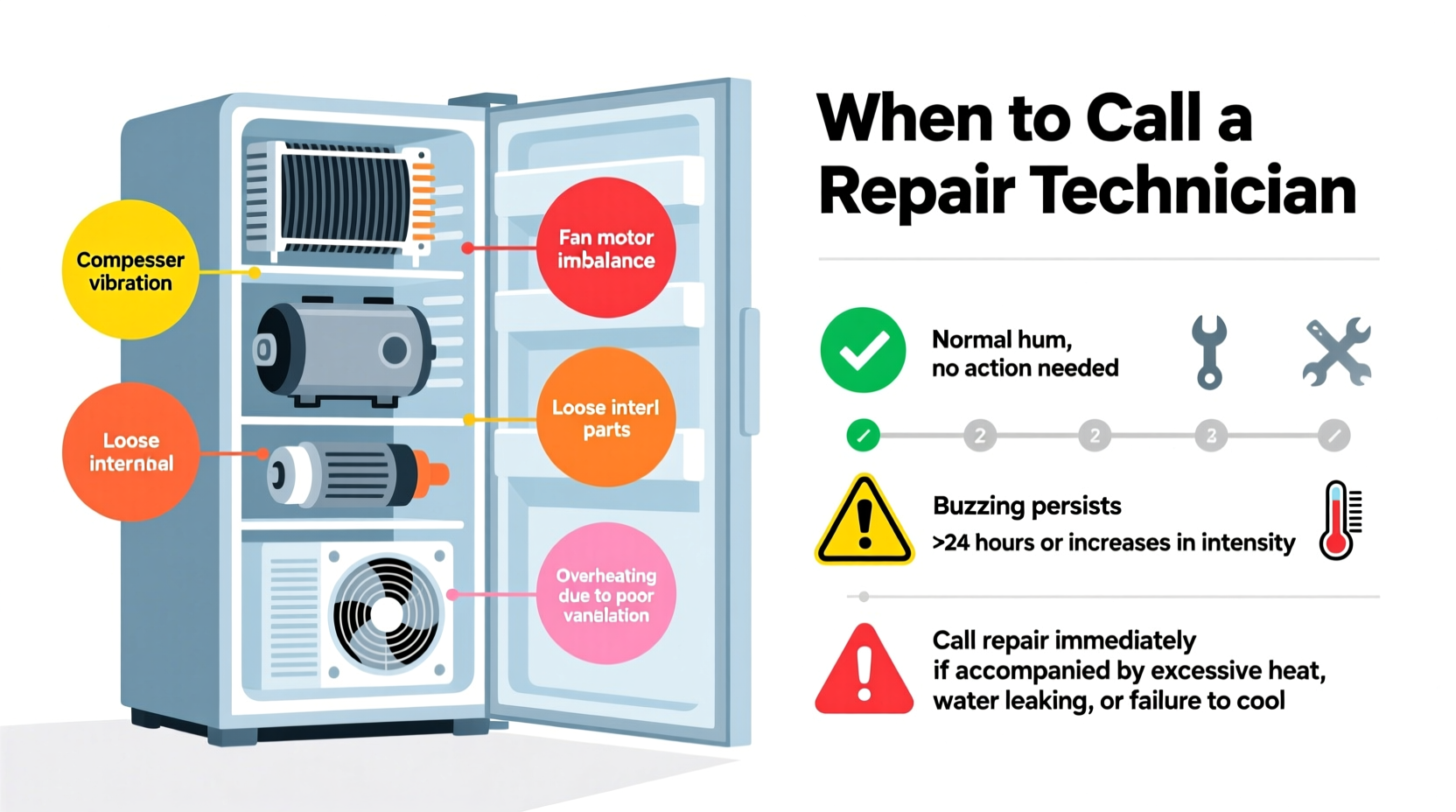
A refrigerator produces sound through several internal components. Most operate quietly under ideal conditions, but wear, debris, or electrical issues can cause them to buzz louder than usual. Here are the most frequent culprits:
- Condenser fan motor: Located near the back or bottom of the unit, this fan cools the condenser coils. If dust builds up or the motor bearings wear out, it can produce a buzzing or grinding noise.
- Evaporator fan motor: Inside the freezer compartment, this fan circulates cold air. A failing motor or obstructed blades can create a high-pitched buzzing.
- Compressor: The heart of the cooling system, the compressor cycles refrigerant through the system. It normally emits a low hum, but a failing compressor may buzz loudly or inconsistently.
- Defrost timer or heater: During automatic defrost cycles, the heater activates briefly. A malfunctioning timer or stuck heater can cause intermittent buzzing.
- Water inlet valve: In models with ice makers or water dispensers, this valve opens to refill the ice tray. If partially clogged or worn, it may vibrate and buzz during operation.
- Loose parts or improper leveling: Vibrations from motors can amplify if the fridge isn’t level or if screws, panels, or shelves are loose.
How to Diagnose the Source of the Buzzing Noise
Pinpointing where the noise originates helps determine whether it’s a simple fix or requires professional intervention. Follow this step-by-step diagnostic process:
- Listen carefully to the sound pattern: Is the buzzing constant, intermittent, or only during certain operations (like ice-making)? Note when it occurs—during startup, cooling cycles, or defrost mode.
- Check the location of the sound: Stand near the back, sides, top, and inside both compartments. Open the freezer door—if the noise stops, the evaporator fan is likely involved. If it continues at the rear, focus on the condenser fan or compressor.
- Clean the condenser coils: Unplug the fridge and use a coil brush or vacuum to remove dust buildup. Dirty coils force fans and compressors to work harder, increasing noise.
- Inspect the fan blades: Remove access panels (refer to your manual) and check for obstructions like ice buildup or debris. Spin the blades manually—if they wobble or resist, the motor may be failing.
- Test the water supply line: If the buzzing coincides with ice production, shut off the water valve and disable the ice maker. If the noise stops, the inlet valve may need replacement.
- Ensure the fridge is level: Use a bubble level on the top shelf. Adjust the front legs until the unit sits evenly. An unlevel fridge can cause vibrations that mimic buzzing.
“Over 60% of service calls for noisy refrigerators turn out to be due to dirty coils or minor mechanical vibrations—not major component failure.” — James Ralston, Appliance Repair Technician with 18 years of field experience
When to Attempt DIY Fixes vs. Call a Professional
Some refrigerator issues can be resolved safely at home, while others demand expert handling. The wrong move—especially with sealed systems or electrical components—can void warranties or create safety risks.
| Issue | DIY-Friendly? | Action Steps | When to Call a Pro |
|---|---|---|---|
| Dusty condenser coils | Yes | Unplug unit, clean with brush or vacuum | If coils are inaccessible or heavily corroded |
| Loose panels or leveling issues | Yes | Tighten screws, adjust leveling feet | If frame damage is suspected |
| Clogged water inlet valve | Moderate | Shut off water, replace valve (requires basic plumbing) | If leaks occur or valve is integrated into main board |
| Failing fan motor | No | Diagnose via manual spin test | If motor hums but doesn’t turn, or emits burning smell |
| Compressor issues | No | Listen for rhythmic clicking or inconsistent cycling | Any loud buzzing, overheating, or failure to cool |
| Electrical faults or tripped breakers | No | Reset GFCI outlet or circuit breaker | If problem recurs or wiring smells burnt |
Mini Case Study: The Ice Maker That Wouldn’t Quit
Sarah in Denver noticed her fridge started buzzing every few hours, lasting about 30 seconds. At first, she assumed it was normal, but the noise grew louder and began waking her at night. She followed basic troubleshooting: cleaned the coils, checked for loose parts, and confirmed the unit was level. Nothing helped.
She disabled the ice maker using the switch on the control panel. The buzzing stopped completely. After consulting the manual, she shut off the water supply and removed the ice tray assembly. She found the water inlet valve vibrating excessively due to sediment buildup. Replacing the valve—a $28 part—took less than 20 minutes with online guidance. The fridge returned to quiet operation, saving her an estimated $150+ in service fees.
Sarah’s case illustrates how isolating functions (like the ice maker) can reveal hidden sources of noise—and how a small investment in time and parts can resolve what feels like a major malfunction.
Warning Signs You Shouldn’t Ignore
Not all buzzing is equal. Certain symptoms indicate serious problems that escalate quickly if untreated. These red flags mean it’s time to stop DIY attempts and call a licensed repair technician:
- The buzzing is accompanied by a burning smell: This suggests overheating wires, a failing motor, or electrical arcing—immediate fire hazard.
- The fridge isn’t cooling properly: Warm food, condensation, or frost buildup combined with noise often point to compressor or refrigerant issues.
- The compressor runs nonstop or clicks on/off rapidly: Called “short cycling,” this behavior stresses components and increases energy use.
- The noise changes suddenly in pitch or intensity: A once-quiet hum turning into a loud, erratic buzz may mean internal motor failure.
- Circuit breaker trips repeatedly: Electrical overloads linked to the fridge require professional diagnosis to prevent damage.
Frequently Asked Questions
Is a buzzing fridge dangerous?
In most cases, a mild buzzing is not dangerous, especially if it’s consistent and the fridge cools normally. However, if the noise is new, worsening, or paired with heat, smoke, or electrical issues, it could pose a fire or safety risk and should be evaluated immediately.
Why does my fridge buzz only at night?
Background noise is more noticeable in quiet environments. Additionally, temperature fluctuations at night may trigger more frequent cooling cycles. However, if the buzzing is louder than usual or wakes you up, investigate potential causes like a failing fan or overloaded compressor.
Can a buzzing fridge increase my electricity bill?
Yes. Components that buzz due to inefficiency—like dirty coils or struggling motors—force the system to work harder, consuming more power. Studies show poorly maintained refrigerators can use up to 20% more energy than well-serviced units.
Action Plan: What to Do Right Now
If your fridge is buzzing, follow this concise checklist to assess and address the issue efficiently:
- ✅ Unplug the refrigerator for safety before inspection.
- ✅ Identify when and where the noise occurs (constant? during ice cycle? from back or inside?)
- ✅ Clean the condenser coils and ensure proper airflow around the unit.
- ✅ Check that the fridge is level and no parts are loose.
- ✅ Disable the ice maker and water dispenser to test if the noise stops.
- ✅ Plug the fridge back in and monitor performance over 24 hours.
- ✅ If buzzing persists or cooling fails, contact a certified appliance repair service.
Conclusion
A buzzing refrigerator doesn’t automatically mean disaster, but it shouldn’t be dismissed either. By understanding the mechanics behind the noise, performing careful diagnostics, and recognizing danger signs, you can protect your appliance, your food, and your peace of mind. Simple maintenance often resolves the issue, but knowing when to call a professional prevents small problems from becoming expensive breakdowns.




 浙公网安备
33010002000092号
浙公网安备
33010002000092号 浙B2-20120091-4
Comments
No comments yet. Why don't you start the discussion?