
A refrigerator should run quietly in the background, barely noticeable in your kitchen. When it starts emitting a loud humming noise, it’s natural to worry. While some hum is normal—especially during compressor cycles—a sudden increase in volume or a persistent drone may indicate an underlying problem. Understanding the source of the sound can help you determine whether it’s a simple fix or a call for professional service. This guide breaks down common causes, diagnostic steps, and practical solutions to restore quiet operation.
Understanding Normal vs. Abnormal Humming
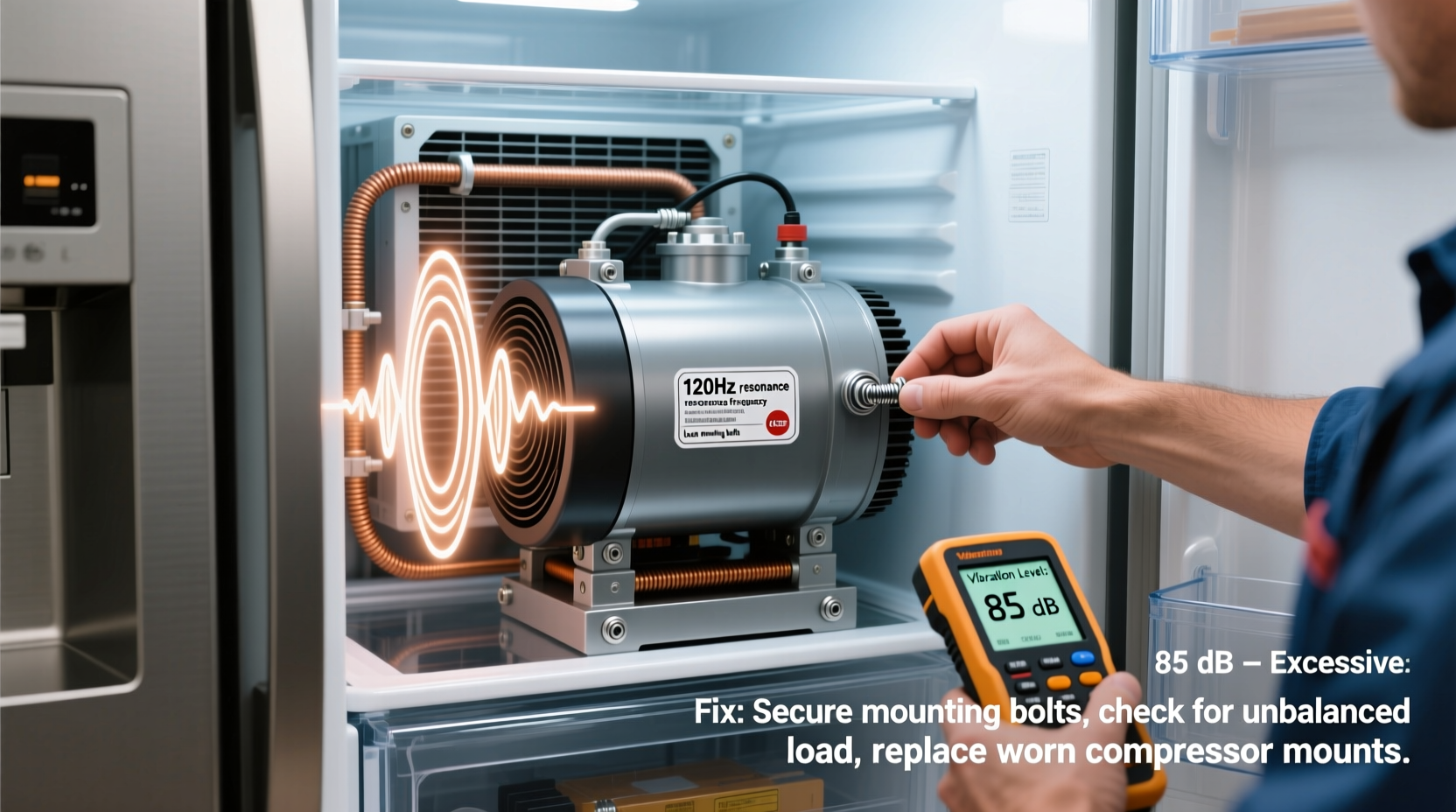
All refrigerators produce a low-level hum during regular operation. This sound comes from the compressor, condenser fan, and evaporator fan motors working to maintain internal temperatures. A consistent, soft hum that lasts 10–20 minutes every few hours is typically nothing to be concerned about.
However, when the noise becomes louder than usual, constant, or accompanied by vibrations, it may point to mechanical strain or component failure. Key signs of abnormal humming include:
- Sudden onset after being silent for months
- Vibrations felt through the floor or cabinets
- Noise persists beyond cooling cycles
- Sound resembles a buzzing or grinding rather than a steady hum
“Refrigerators are designed for efficiency and quietness. Any dramatic change in sound warrants attention—it’s often the first sign of wear.” — James Landon, Appliance Repair Technician with 18 years of field experience
Common Causes of Loud Humming Noises
Loud humming usually stems from components involved in cooling or airflow. Identifying the root cause requires understanding how each part functions—and what happens when it fails.
1. Dirty or Obstructed Condenser Coils
Located at the back or bottom front of most modern fridges, condenser coils release heat absorbed from inside the refrigerator. When dust, pet hair, or debris accumulate on these coils, the system works harder to dissipate heat. This forces the compressor to run longer and louder, increasing the humming sound.
2. Failing Compressor
The compressor is the heart of your refrigerator’s cooling system. It circulates refrigerant and maintains pressure. Over time, internal parts like motor windings or mounts can degrade. A failing compressor often produces a deep, continuous hum or a rhythmic pulsing sound. If the noise is coming from the lower rear of the unit and doesn’t stop, this could be the culprit.
While compressors are built to last 10–15 years, poor ventilation, voltage fluctuations, or age can shorten their lifespan.
3. Worn or Unbalanced Evaporator or Condenser Fan Motors
Fans circulate air across the coils and within the fridge compartments. Each has a small motor that spins a blade. If the motor bearings wear out or the blade hits an obstruction (like frost buildup), it creates a louder-than-normal hum or even a scraping noise.
To check the fan:
- Open the freezer compartment.
- Listen closely after closing the door—if the noise continues immediately, the evaporator fan (inside the freezer) may be responsible.
- For the condenser fan, locate it near the compressor (usually at the back). Turn off power, remove the panel, and inspect for debris or wobbling blades.
4. Loose Components or Mounting Screws
Vibrations from normal operation can loosen screws holding the compressor, fans, or panels. Even a slightly detached bracket can amplify sound through resonance. Check for rattling by gently pressing on different areas of the fridge while it's running.
5. Refrigerant Flow Issues
Refrigerant moves under pressure through copper lines. In rare cases, restrictions or overfilling can create gurgling or high-pitched humming sounds. These issues require professional diagnosis due to safety regulations around refrigerants.
Troubleshooting Steps: What to Do When Your Fridge Humms Too Loudly
Before calling a technician, perform a systematic check to identify and potentially resolve the issue yourself. Follow this step-by-step process:
Step 1: Confirm the Source of the Noise
Stand near the fridge and listen carefully. Is the sound coming from the top, middle, or bottom? Does it change when doors open or close?
- Top/Middle: Likely evaporator fan or internal airflow issue.
- Bottom/Back: Points to compressor, condenser fan, or coils.
Step 2: Unplug the Fridge and Inspect Access Panels
Safety first. Disconnect power and pull the fridge away from the wall. Remove rear access panels to expose coils and fans. Use a flashlight to look for dust buildup, damaged wires, or broken fan blades.
Step 3: Clean the Condenser Coils
Using a refrigerator coil brush or a vacuum with a narrow nozzle, gently remove dirt from the coils. Avoid bending fins. Reassemble and plug back in.
Step 4: Test Fan Operation
Restore power and listen. If the noise stops or reduces significantly, dirty coils were likely the cause. If a specific fan seems noisy:
- Spin the blade manually—if it sticks or grinds, replace the motor.
- Check for ice buildup around the evaporator fan (common in no-frost models).
Step 5: Level the Fridge
An unlevel refrigerator can vibrate excessively. Use a bubble level on the top shelf. Adjust the front leveling legs until the unit sits evenly. This also ensures proper door sealing.
Step 6: Monitor After Repairs
Wait 24 hours and observe cooling performance and noise levels. If humming returns or worsens, suspect internal component failure.
Do’s and Don’ts When Dealing With Fridge Noise
| Do | Don’t |
|---|---|
| Unplug the fridge before inspection or cleaning | Ignore persistent noise—early action prevents bigger repairs |
| Clean coils regularly as preventive maintenance | Use water or household cleaners directly on electrical parts |
| Check for loose screws or mounting brackets | Attempt refrigerant repairs without certification |
| Keep space (at least 2 inches) around the fridge for airflow | Overload shelves or block internal vents |
| Call a licensed technician for compressor issues | Run the fridge if you smell burning or see smoke |
Real-World Example: The Case of the Basement Fridge
Martha in Ohio noticed her secondary fridge in the basement began humming loudly overnight. At first, she assumed it was normal, but within days, the noise became disruptive during family movie nights just upstairs.
She followed basic troubleshooting: unplugged the unit, pulled it forward, and vacuumed visible dust from the back. Still, the hum persisted. Upon removing the rear panel, she discovered thick layers of lint and cobwebs coating the condenser coils. After a thorough brushing and vacuuming, she restored power—and the noise dropped by nearly 70%.
Two weeks later, a slight buzz returned. This time, she inspected the condenser fan and found the blade wobbling due to worn bearings. She ordered a replacement motor online ($38) and installed it herself in under 30 minutes. Total cost: less than $50. Result: a quiet, efficient fridge for another five years.
When to Call a Professional
Some issues go beyond DIY fixes. Seek expert help if you encounter any of the following:
- The compressor runs continuously without shutting off
- Interior temperatures rise despite normal settings
- You hear clicking, knocking, or metallic grinding sounds
- Burning smells or visible smoke come from the unit
- The fridge trips circuit breakers when starting
Compressor failure, refrigerant leaks, or electrical faults require specialized tools and knowledge. Attempting repairs without training can void warranties or create safety hazards.
Preventive Maintenance Checklist
Regular care keeps your refrigerator running smoothly and quietly. Use this checklist monthly or quarterly:
- ✅ Vacuum dust from condenser coils and surrounding area
- ✅ Wipe down door seals with warm, soapy water to prevent air leaks
- ✅ Ensure the fridge is level using a bubble level
- ✅ Listen for changes in operational noise weekly
- ✅ Check that vents inside the fridge are not blocked by food containers
- ✅ Verify temperature settings (37°F for fridge, 0°F for freezer)
- ✅ Inspect fan areas for frost buildup (defrost if needed)
Frequently Asked Questions
Is a humming fridge dangerous?
Not always. A steady hum is normal. However, a sudden loud hum combined with poor cooling, overheating, or burning odors can indicate a risk of fire or component failure. In such cases, unplug the unit and contact a technician immediately.
Can a loud humming fridge be fixed without replacing it?
Yes, in many cases. Common fixes like cleaning coils, replacing a fan motor, or tightening loose parts are affordable and effective. Even compressor issues can sometimes be repaired, though replacement may be more cost-effective for older units.
How long should a refrigerator compressor last?
Most compressors last between 10 and 15 years with proper maintenance. Units exposed to high ambient temperatures, dust, or frequent power surges may fail earlier. Regular cleaning and stable voltage extend compressor life significantly.
Conclusion: Silence Starts with Smart Action
A loud humming fridge doesn’t have to mean costly repairs or replacement. Often, the solution lies in simple maintenance—cleaning coils, securing loose parts, or replacing a worn fan motor. By acting early, you preserve not only peace and quiet but also the longevity and efficiency of your appliance.
Start today: unplug your fridge, inspect the coils, and listen critically during its next cycle. Small efforts now can prevent major breakdowns later. Whether you handle the fix yourself or call in a pro, addressing the noise promptly protects your food, your wallet, and your home environment.




 浙公网安备
33010002000092号
浙公网安备
33010002000092号 浙B2-20120091-4
Comments
No comments yet. Why don't you start the discussion?