
Refrigerators are designed to operate quietly in the background, maintaining ideal temperatures for food preservation without drawing attention. When yours starts making unfamiliar sounds—buzzing, clicking, rattling, or groaning—it’s natural to wonder what’s wrong. While some noises are normal byproducts of modern cooling systems, others signal developing problems that could lead to inefficiency, spoiled food, or complete breakdowns. Understanding the difference between routine operation and mechanical distress can save you money, prevent food waste, and extend your appliance’s lifespan.
This guide breaks down the most common fridge noises, their likely causes, and clear indicators for when professional repair is necessary. Whether you're hearing intermittent clicks or constant humming, you’ll gain practical knowledge to assess the situation confidently and act appropriately.
Common Fridge Noises and What They Mean
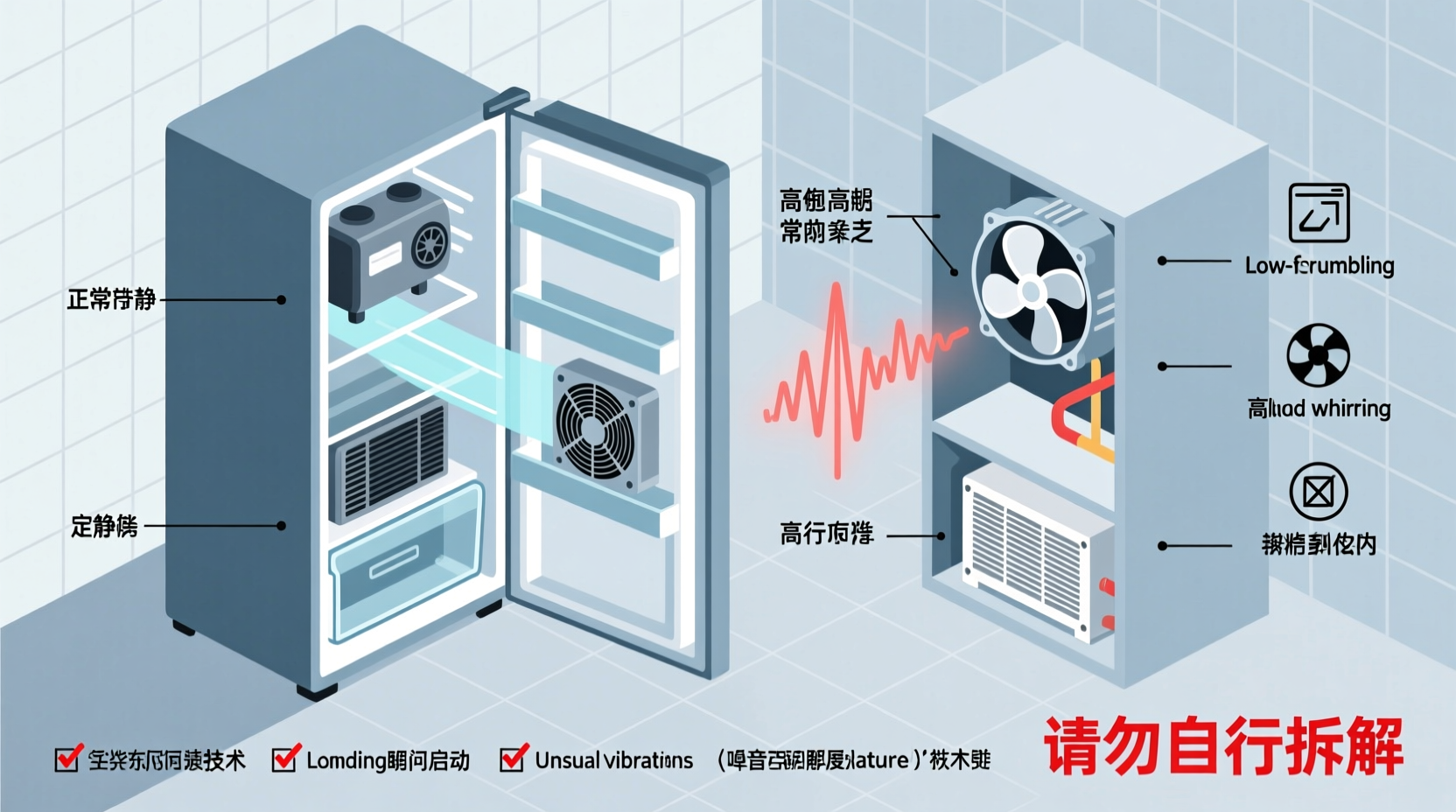
Fridges use compressors, fans, condensers, and refrigerant lines—all of which generate sound during normal operation. However, changes in pitch, volume, or frequency can indicate underlying issues. Here’s a breakdown of frequent noises and their probable sources:
- Humming or Low Buzzing: This is typically the compressor or water pump running. A steady hum is normal. If the noise becomes louder or more persistent, it may point to an overworked compressor or loose components.
- Clicking: Often heard during startup or shutdown, clicking usually comes from relays or thermostats engaging. Occasional clicking is expected. Rapid or continuous clicking suggests electrical relay failure or thermostat malfunction.
- Rattling or Vibrating: Loose panels, unlevel placement, or debris touching moving parts (like fan blades) often cause this. Check if shelves or drawers are fully closed and ensure the fridge isn’t touching walls or cabinets.
- Hissing or Gurgling: Sounds like boiling liquid or air moving through pipes. These are usually harmless and result from refrigerant flowing through coils, especially after defrost cycles.
- Grinding or Scraping: Metallic grinding indicates a failing evaporator or condenser fan motor. Debris caught in the fan or worn bearings can create this sound and require immediate attention.
- Loud Bang or Pop: Sudden pops may occur when plastic panels expand or contract with temperature changes. However, repeated loud bangs could mean internal components are warping or failing.
When to Troubleshoot vs. When to Call a Technician
Not every odd sound requires a service call. Many issues can be resolved with basic maintenance. But knowing when to stop DIY efforts and bring in a professional prevents further damage.
Simple Fixes You Can Try First
- Level the Fridge: An uneven refrigerator vibrates excessively. Use a level tool and adjust the front legs until stable.
- Clear Air Vents: Blocked vents force fans to work harder, increasing noise. Ensure nothing obstructs airflow inside or behind the unit.
- Clean Condenser Coils: Dust buildup on coils makes the compressor run longer and louder. Unplug the fridge and vacuum coils located at the back or bottom front.
- Check Fan Blades: Open the freezer and inspect the evaporator fan. If ice has formed around it or something is lodged, carefully remove obstructions.
- Secure Loose Parts: Tighten any visible screws on access panels or interior shelving that might rattle.
Signs It’s Time to Call a Pro
If the following conditions persist after basic checks, contact a licensed technician:
- The fridge isn’t cooling properly despite correct settings.
- Noises worsen over time or return immediately after stopping.
- You smell burning plastic or detect unusual odors near the machine compartment.
- The compressor runs nonstop without cycling off.
- Water pools under the fridge or inside compartments unexpectedly.
“Many customers wait too long to call us, thinking strange noises will go away. By then, minor issues like fan misalignment become major compressor failures.” — Carlos Mendez, Appliance Repair Specialist with 15 years of field experience
Step-by-Step Guide to Diagnosing Fridge Noises
Follow this logical sequence to isolate the problem safely and efficiently:
- Unplug the Fridge: For safety, disconnect power before inspecting internal components.
- Listen for Timing Patterns: Plug it back in and observe when the noise occurs—during startup, mid-cycle, or shutdown.
- Locate the Source: Stand near different areas—the top rear (compressor), bottom front (condenser fan), and inside the freezer (evaporator fan).
- Inspect Visually: Remove lower kickplate or back panel (if accessible) to check for dust, debris, or visible damage.
- Test Cooling Performance: Place a thermometer in a glass of water inside the fridge for two hours. It should read between 37°F and 40°F (3°C–4°C).
- Determine Next Steps: If cooling is fine and noise is mild, monitor it. If performance drops or noise intensifies, schedule a technician visit.
Do’s and Don’ts When Dealing With Noisy Fridges
| Do’s | Don’ts |
|---|---|
| Unplug the fridge before inspection | Ignore persistent grinding or screeching sounds |
| Clean condenser coils every 6 months | Use sharp tools near refrigerant lines |
| Ensure proper clearance around the unit (at least 2 inches) | Overload shelves or block air vents |
| Monitor temperature consistency weekly | Attempt compressor repairs without certification |
| Contact a licensed HVAC technician for refrigerant issues | Delay service if cooling performance declines |
Mini Case Study: The Freezer That Wouldn’t Stop Grinding
Sarah from Portland noticed a grinding noise coming from her five-year-old side-by-side refrigerator. At first, it happened only at night, lasting about 30 seconds. She cleaned the coils and checked for loose items but found nothing obvious. Over three weeks, the sound grew louder and began occurring multiple times daily.
She called a technician who diagnosed a failing evaporator fan motor in the freezer compartment. The bearings had worn out, causing metal-on-metal contact. Because Sarah acted early, the technician replaced the $80 part before it damaged the cooling system. Total cost: $180 with labor. Had she waited, compressor strain could have led to a $600+ repair or premature replacement.
This case highlights how timely intervention based on changing noise patterns prevents costly outcomes.
Checklist: Is Your Fridge Noise an Emergency?
Use this checklist to evaluate urgency:
- ✅ Does the fridge maintain cold temperatures? (Test with thermometer)
- ✅ Is the noise occasional and consistent with past behavior?
- ✅ Have you recently cleaned the coils and ensured proper ventilation?
- ✅ Are all doors sealing tightly with no gaps?
- ❌ Is the noise metallic, grinding, or accompanied by burning smells?
- ❌ Has cooling performance declined in the last 48 hours?
- ❌ Is the compressor running constantly without shutting off?
If you answered “no” to the first four or “yes” to the last three, professional diagnosis is strongly recommended.
Frequently Asked Questions
Is it normal for a new fridge to make noise?
Yes. Modern energy-efficient models often produce noticeable hums or gurgling as advanced compressors and variable-speed fans cycle. These sounds usually diminish within a few weeks as the system stabilizes. However, loud or irregular noises should still be reported to the retailer or manufacturer.
Can a noisy fridge increase my electricity bill?
Absolutely. Unusual noises often reflect inefficiencies—such as dirty coils, failing motors, or refrigerant leaks—that force the system to work harder. Studies show poorly maintained fridges can consume up to 20% more energy. Addressing noise-related issues promptly improves efficiency and reduces utility costs.
How much does it cost to fix a noisy refrigerator?
Repair costs vary widely. Simple fixes like cleaning coils or replacing a fan motor range from $100–$250. Compressor or refrigerant line repairs typically cost $400–$800. If your fridge is over 10 years old, weigh repair expenses against replacement value. Technicians can help assess long-term viability.
Preventive Maintenance Tips to Reduce Future Noise
Regular care keeps your fridge running smoothly and quietly. Incorporate these habits into your home maintenance routine:
- Schedule biannual coil cleanings using a brush or vacuum attachment.
- Keep the area behind the fridge clear to allow airflow and reduce strain on components.
- Avoid placing hot food directly inside, which forces the system to work harder and increases wear.
- Inspect door seals monthly by closing a dollar bill in the door; if it slips out easily, replace the gasket.
- Listen weekly for new or changing sounds during regular kitchen activity.
“The quietest fridges aren’t necessarily the newest—they’re the ones owners actually maintain.” — National Appliance Efficiency Council, 2023 Home Appliance Report
Conclusion: Act Early, Save More
A noisy fridge doesn’t always mean disaster, but it shouldn’t be ignored. Most sounds have straightforward explanations, and many fixes are simple and affordable. However, delaying action when cooling falters or mechanical distress appears can turn a minor issue into a major expense. By understanding what different noises mean and recognizing red flags, you protect both your appliance and your groceries.
Stay proactive with routine maintenance, trust your instincts when something feels off, and don’t hesitate to consult a qualified technician when needed. Your refrigerator works hard every day—give it the attention it deserves to keep running efficiently, reliably, and quietly for years to come.




 浙公网安备
33010002000092号
浙公网安备
33010002000092号 浙B2-20120091-4
Comments
No comments yet. Why don't you start the discussion?