
A damp garage isn’t just unpleasant—it can lead to mold growth, structural deterioration, damaged belongings, and even health concerns over time. Many homeowners overlook the garage when assessing indoor air quality or moisture issues, but this often-used transitional space is especially vulnerable due to its construction, location, and typical usage patterns. Understanding the root causes of garage dampness is the first step toward creating a dry, functional, and safe environment.
Unlike living spaces, garages are rarely insulated or climate-controlled, making them susceptible to temperature fluctuations that encourage condensation. Add in poor ventilation, concrete slab foundations, and frequent exposure to outdoor elements, and it’s no surprise that moisture becomes a persistent problem. The good news? With targeted interventions and consistent maintenance, you can significantly reduce or even eliminate dampness.
Common Causes of Garage Dampness
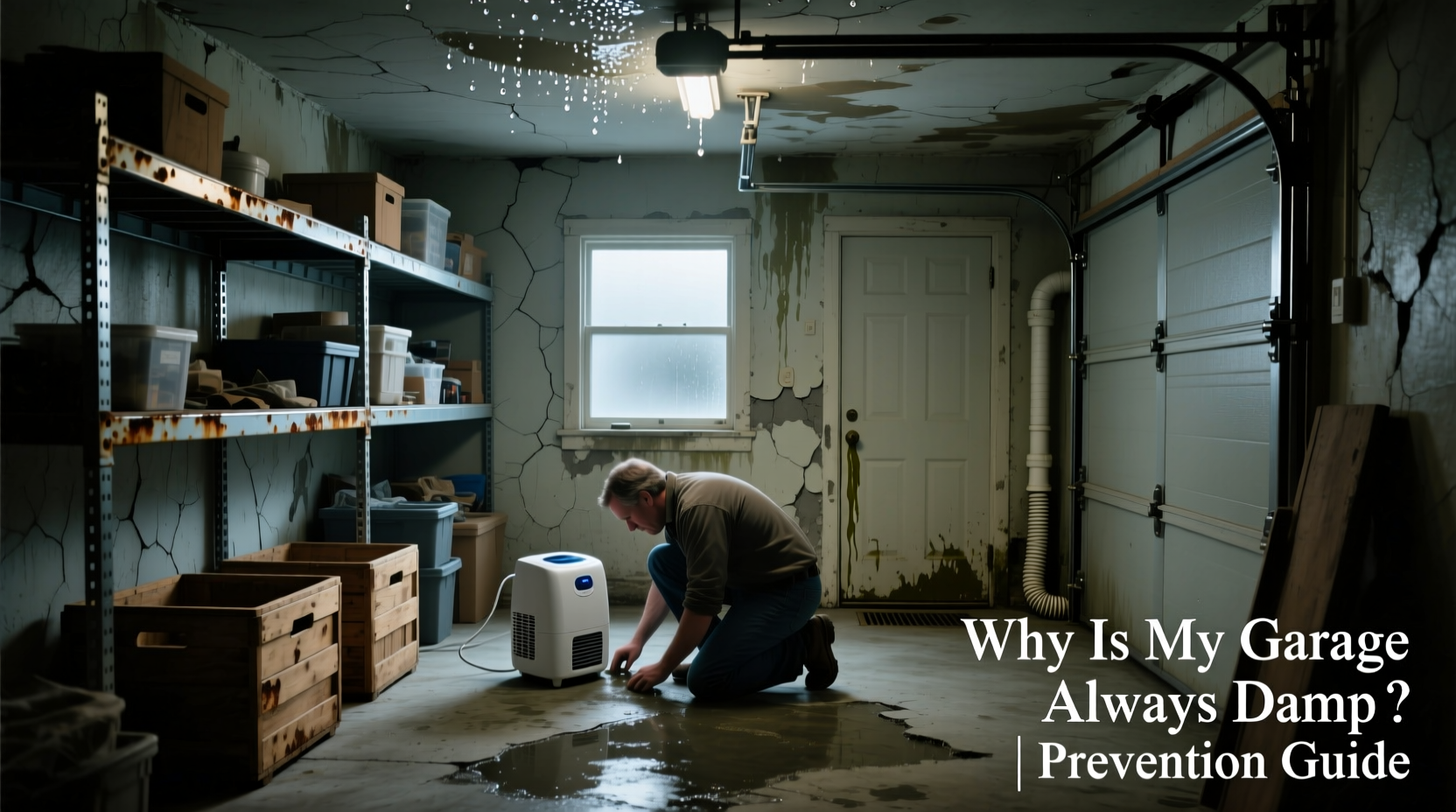
Dampness in the garage doesn’t happen without reason. Identifying the source is critical before implementing any solution. Here are the most common culprits:
- Condensation from temperature differences: Cold concrete floors and walls meet warm, humid air—especially during spring and fall—leading to water droplets forming on surfaces.
- Poor ventilation: Without adequate airflow, moist air lingers and saturates materials like wood, cardboard, and fabric.
- Groundwater seepage: Hydrostatic pressure can force moisture through cracks in the foundation or floor slab, particularly in areas with high water tables.
- Rainwater intrusion: Leaky doors, damaged seals, clogged gutters, or improper grading around the foundation allow rain to enter directly.
- Lack of vapor barrier: Many older garages were built without a polyethylene moisture barrier beneath the concrete slab, allowing ground moisture to wick upward.
- Stored wet items: Wet bikes, lawn equipment, snow-covered vehicles, or damp firewood introduce significant moisture into the space.
How Moisture Damages Your Garage and Belongings
Moisture may seem harmless at first—a little musty smell, a slightly slick floor—but left unchecked, it leads to serious consequences.
Structural Impact
Concrete may appear solid, but it’s porous. Continuous exposure to moisture weakens the slab over time, leading to spalling, cracking, and eventual structural compromise. Wooden studs, joists, or shelving in attached garages absorb moisture, inviting rot and compromising integrity. Metal components like fasteners, tools, and vehicle parts corrode faster in humid environments.
Mold and Mildew Growth
Relative humidity above 60% creates ideal conditions for mold. In a garage, mold often starts on cardboard boxes, stored fabrics, or insulation. Some species produce airborne spores that can affect indoor air quality, especially if the garage connects to the house. According to the Environmental Protection Agency (EPA), mold exposure can trigger allergies, respiratory issues, and worsen asthma symptoms.
“Garages are often overlooked as sources of indoor air pollution. A damp garage can contribute to mold spore circulation throughout the home.” — Dr. Linda Peterson, Indoor Air Quality Specialist
Damaged Stored Items
From holiday decorations to sports gear and important documents, many people use garages for long-term storage. High humidity ruins paper, warps photographs, rusts electronics, and deteriorates leather and textiles. Even sealed plastic bins aren’t immune if lids aren’t airtight or if condensation forms inside.
Effective Strategies to Prevent and Reduce Garage Moisture
Combating dampness requires a multi-pronged approach. No single fix works in all cases—success comes from combining inspection, prevention, and active moisture control.
1. Improve Ventilation
Fresh air exchange is one of the simplest ways to reduce humidity. Open garage doors whenever possible, especially on dry days. For enclosed or poorly ventilated garages, consider installing exhaust fans or passive vents near the ceiling, where warm, moist air accumulates.
2. Seal Cracks and Gaps
Inspect the floor, walls, and joints around the garage door for cracks. Use hydraulic cement or epoxy-based sealants for larger foundation cracks. Smaller gaps along baseboards or utility penetrations can be filled with silicone caulk. Don’t forget the threshold seal under the garage door—replace worn strips to block rain and ground-level drafts.
3. Install a Dehumidifier
A dedicated dehumidifier is one of the most effective tools for maintaining dry air. Choose a model rated for low temperatures if your garage gets cold in winter. Units with built-in hygrostats can maintain a target humidity level (ideally between 45–55%) automatically.
4. Address Exterior Drainage Issues
Water flowing toward your garage foundation spells trouble. Ensure downspouts extend at least 5 feet away from the structure. The ground should slope away from the foundation at a minimum of 6 inches over 10 feet. Consider installing French drains or swales in persistently wet areas.
5. Apply Moisture-Resistant Coatings
Epoxy or crystalline waterproofing coatings on concrete floors and walls create a durable barrier against moisture migration. These are best applied after cleaning and repairing the surface. For added protection, use a silane-siloxane sealer on masonry walls to repel water without trapping vapor.
Step-by-Step Guide to Drying Out a Damp Garage
If your garage is already showing signs of moisture damage, follow this timeline to restore a dry, healthy environment:
- Week 1: Inspection & Assessment
Walk through the garage with a flashlight. Look for stains, efflorescence (white powdery residue on concrete), peeling paint, or warped materials. Note areas of standing water or dampness. Use a hygrometer to measure relative humidity. - Week 2: Clean & Dry
Remove all stored items. Sweep and vacuum debris. Wash walls and floors with a mild detergent. Use fans to accelerate drying. If mold is present, clean non-porous surfaces with a mixture of water and white vinegar (avoid bleach, which doesn’t kill mold roots). - Week 3: Seal & Repair
Fill cracks in the floor and walls. Replace damaged weatherstripping. Install or repair gutter extensions. Grade soil around the foundation if necessary. - Week 4: Install Prevention Systems
Set up a dehumidifier. Add ventilation if needed. Apply waterproofing coating to the floor. Store items off the ground using plastic or metal shelving. - Ongoing: Monitor & Maintain
Check humidity levels monthly. Empty dehumidifier tanks. Inspect seals and drainage twice a year—spring and fall.
Do’s and Don’ts: Garage Moisture Management
| Do’s | Don’ts |
|---|---|
| Use a hygrometer to monitor humidity levels | Store cardboard boxes directly on concrete floors |
| Keep garage doors open on dry, breezy days | Ignore small cracks or leaks—they will worsen |
| Elevate stored items with pallets or shelves | Use organic materials like wood or fabric for long-term storage |
| Install a dehumidifier in damp climates | Assume sealing the garage completely will solve moisture issues (trapped air worsens condensation) |
| Clean gutters and downspouts seasonally | Leave wet equipment or vehicles in the garage overnight |
Real Example: How One Homeowner Fixed Chronic Garage Dampness
Mark T., a homeowner in Portland, Oregon, struggled with a perpetually damp garage for years. His tools rusted, his wife’s seasonal clothing developed mildew, and he noticed a persistent earthy odor. After testing the humidity, he found levels consistently above 70%.
He began by clearing out the garage and discovering multiple hairline cracks in the floor. He sealed them with epoxy and applied a two-part moisture-resistant epoxy coating. He installed a low-temperature dehumidifier and added a small exhaust fan near the ceiling. Outside, he extended his downspouts and regraded the soil.
Within six weeks, humidity dropped to 52%. Mark now uses plastic storage bins on metal shelves and checks the dehumidifier weekly. “It’s not just drier—it feels like a completely different space,” he said. “I finally feel confident storing things there again.”
Essential Checklist for a Dry Garage
- ✅ Measure current humidity with a hygrometer
- ✅ Inspect floor and walls for cracks or water stains
- ✅ Check garage door seals and replace if worn
- ✅ Clear and extend downspouts at least 5 feet from foundation
- ✅ Confirm proper ground slope away from garage
- ✅ Clean and dry surfaces thoroughly
- ✅ Seal concrete floor with waterproof coating
- ✅ Install a dehumidifier rated for garage temperatures
- ✅ Add ventilation via windows, vents, or exhaust fans
- ✅ Elevate stored items off the floor using non-absorbent shelving
- ✅ Avoid storing wet items; wipe down vehicles and equipment before parking
- ✅ Schedule biannual inspections for leaks and humidity
Frequently Asked Questions
Can I insulate my garage to reduce dampness?
Yes, but only if done correctly. Insulating walls and the overhead door helps stabilize temperature and reduces condensation. However, improper insulation—especially vapor barriers on the wrong side—can trap moisture and make problems worse. Use closed-cell spray foam or rigid foam boards for best results in garages.
Is a dehumidifier worth it for a garage?
Absolutely. While garages are large spaces, modern dehumidifiers designed for basements and workshops are energy-efficient and highly effective. Look for models with auto-restart, frost sensors, and continuous drain options. The investment pays off in protected belongings and improved air quality.
Why does my garage smell musty even when it looks dry?
Musty odors often indicate hidden mold growth behind walls, under flooring, or inside stored materials. Even low-level humidity can support microbial activity. Use a blacklight or moisture meter to detect concealed dampness. Cleaning visible surfaces and running a dehumidifier usually resolves the issue within a few weeks.
Take Control of Your Garage Environment
A damp garage doesn’t have to be inevitable. By understanding the sources of moisture and taking deliberate, practical steps, you can transform your garage into a dry, usable, and safe extension of your home. The benefits go beyond comfort—you’re protecting your possessions, your property’s value, and your household’s health.




 浙公网安备
33010002000092号
浙公网安备
33010002000092号 浙B2-20120091-4
Comments
No comments yet. Why don't you start the discussion?