
A loud, creaking garage door doesn’t just disrupt the peace—it can signal underlying issues that worsen over time. While some noise is normal due to age and use, excessive grinding, squeaking, or rattling often points to mechanical problems. The good news? Many of these issues can be resolved at home with basic tools and a little know-how. Addressing them early not only reduces noise but also extends the lifespan of your garage door system and prevents costly repairs down the line.
Before scheduling a service call, consider trying these proven DIY fixes. They’re designed to help you identify common sources of noise and correct them safely and efficiently.
Common Causes of Garage Door Noise
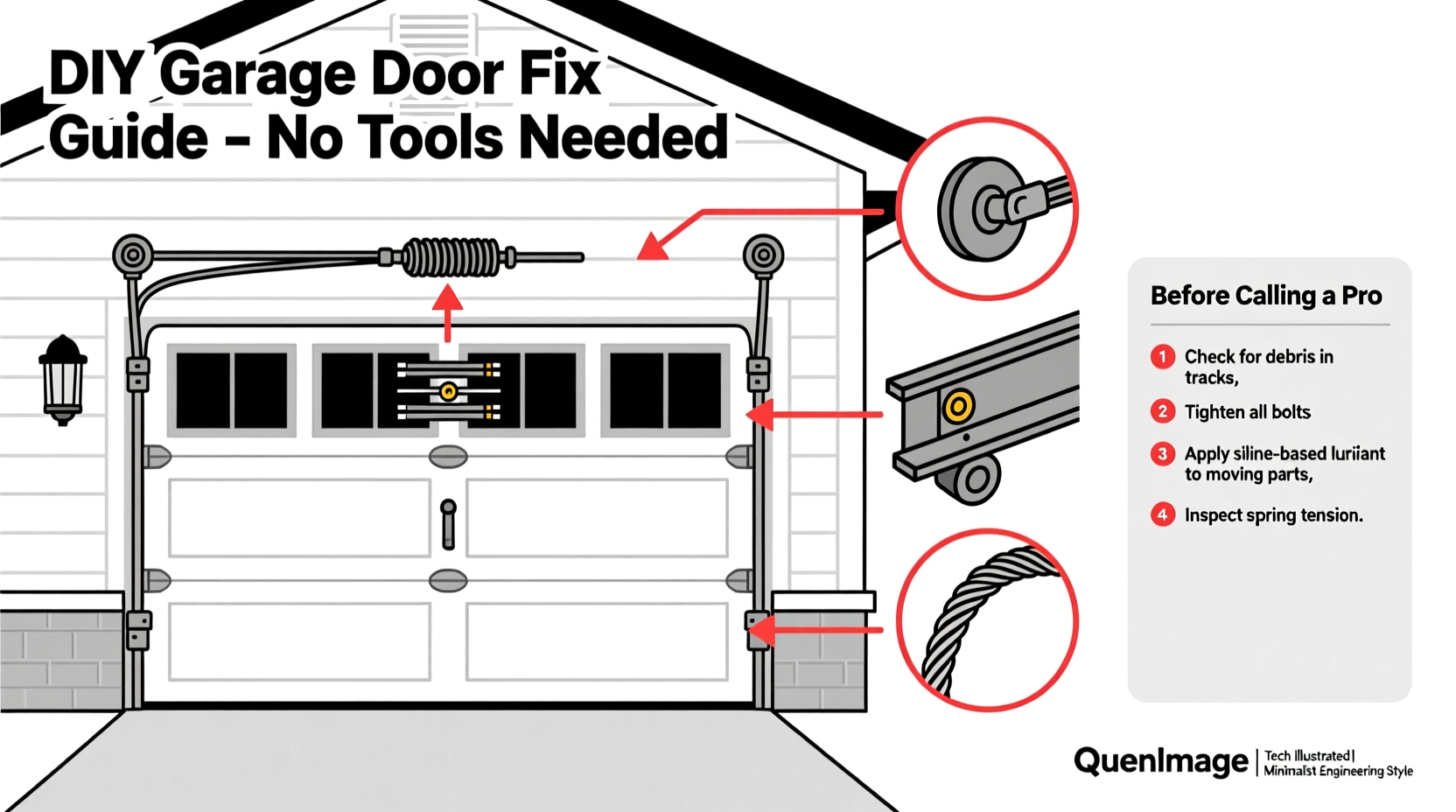
Noise from a garage door typically stems from friction, misalignment, loose hardware, or worn components. Understanding the root cause is the first step toward an effective fix.
- Worn rollers: Plastic or steel rollers degrade over time, especially if not lubricated regularly. Worn rollers create grinding or clunking sounds.
- Loose hardware: Bolts, nuts, and brackets securing tracks, hinges, and the opener can loosen with daily use, leading to rattling.
- Dry hinges and springs: Metal-on-metal contact without lubrication produces high-pitched squeaks and groans.
- Misaligned tracks: If the door isn’t tracking smoothly, it can scrape against the frame or rails, causing scraping noises.
- Faulty opener motor or chain: A vibrating or jerking opener may emit humming, banging, or clanking sounds.
- Unbalanced door: When the counterbalance system fails, the motor struggles, creating strain and noise.
Step-by-Step DIY Fixes to Reduce Noise
Follow this systematic approach to diagnose and quiet your noisy garage door. These steps are safe for most homeowners and require only basic tools like a wrench, screwdriver, and lubricant.
- Inspect and tighten all hardware. Use a socket wrench to check bolts on brackets, rollers, hinges, and track mounts. Pay special attention to the vertical track near the top roller—this area endures high stress. Tighten any loose fasteners, but don’t overtighten, as this can strip threads or warp metal.
- Lubricate moving parts. Apply a silicone-based lubricant (not WD-40, which attracts dust) to rollers, hinges, springs, and the opener chain or screw drive. Work the door manually several times after application to distribute the oil evenly.
- Check roller condition. Inspect each roller for cracks, flat spots, or wobbling. Replace plastic rollers older than 5–7 years with nylon or steel versions. Misaligned rollers can bind in the track, increasing noise and wear.
- Align the tracks. Using a level, verify that both vertical and horizontal tracks are plumb and parallel. Loosen mounting bolts slightly, reposition the track, then retighten. Ensure there’s about 1/8 inch clearance between the roller and track edge.
- Test balance and spring tension. Disconnect the opener and lift the door halfway. It should stay in place. If it drifts closed or rises, the torsion or extension springs may be unbalanced. Adjusting springs is dangerous; if you suspect imbalance, skip to professional help.
- Clean the tracks. Debris, rust, or old grease buildup can cause rough movement. Wipe tracks clean with a rag and degreaser, then dry thoroughly before re-lubricating lightly.
- Secure the opener rail. Check the overhead rail mounting brackets. If the opener jerks when starting, tighten ceiling anchors and ensure the rail isn’t sagging.
When to Stop and Call a Pro
While many issues are manageable, certain tasks involve high risk. Do not attempt to adjust or replace torsion springs yourself—they store extreme tension and can cause serious injury. Similarly, if the door sags, binds severely, or the opener fails to engage consistently, professional diagnosis is essential.
“Over 60% of garage door noise complaints stem from simple maintenance oversights like lack of lubrication or loose bolts. Most can be fixed in under an hour with basic tools.” — Mark Reynolds, Certified Door Technician, Overhead Door Systems
Tips for Preventing Future Noise Issues
Preventive care keeps your garage door operating quietly and reliably for years. Incorporate these habits into your seasonal home maintenance routine.
- Schedule biannual inspections of rollers, hinges, and tracks.
- Keep hardware tightened; vibrations naturally loosen fasteners over time.
- Use only garage-door-specific lubricants to avoid attracting grime.
- Listen for changes in sound. A new squeak or thud often signals early wear.
- Ensure weatherstripping is intact—gaps can let moisture in, accelerating rust.
Do’s and Don’ts of Garage Door Maintenance
| Do’s | Don’ts |
|---|---|
| Use silicone or lithium-based lubricants on rollers and hinges | Use WD-40 as a long-term lubricant—it dries out and attracts dirt |
| Tighten loose bolts monthly during peak use seasons | Overtighten hardware, which can damage metal or strip threads |
| Inspect rollers for wear and replace cracked or wobbly ones | Ignore squeaking—early intervention prevents bigger issues |
| Test door balance twice a year | Attempt to adjust or replace torsion springs without training |
| Clean tracks and remove debris quarterly | Use abrasive pads on painted tracks—this causes pitting and rust |
Real Example: Fixing a Squeaky Door in Suburban Home
In Columbus, Ohio, homeowner Linda Thompson noticed her garage door had become increasingly loud each morning, waking her family. The sound was a persistent metallic squeal followed by a clunk at the midpoint of travel. She decided to investigate before calling a technician, knowing service calls start at $120.
Linda began by disconnecting the opener and manually lifting the door. She heard the squeak originate near the top section on the right side. After tightening visible hinge bolts and applying a spray lubricant to the rollers and hinges, the noise reduced slightly—but not completely. Upon closer inspection, she found one roller was cracked and slightly misaligned.
She purchased a replacement nylon roller ($18 online) and swapped it out using a C-clamp to support the door section. After realigning the track and re-lubricating all joints, the door operated silently. Total time: 45 minutes. Savings: over $100.
This case highlights how targeted troubleshooting can resolve complex-sounding issues with minimal cost and effort.
Essential Checklist: Quiet Your Garage Door in One Hour
Use this checklist to methodically address noise sources. Complete it in one session for best results.
- ✅ Disconnect the garage door opener for safety
- ✅ Visually inspect all rollers for cracks or wear
- ✅ Check and tighten hinge, bracket, and track bolts
- ✅ Clean dirt and old grease from tracks
- ✅ Lubricate rollers, hinges, springs, and opener chain
- ✅ Manually operate the door to test smoothness
- ✅ Reconnect opener and test automatic function
- ✅ Listen for remaining noise and isolate source
- ✅ Replace damaged rollers or call a pro if needed
- ✅ Schedule next maintenance in six months
Frequently Asked Questions
Why does my garage door squeak only in cold weather?
Temperature changes cause metal parts to contract, increasing friction. Lubricant thickens in cold air, reducing effectiveness. Applying a cold-weather-rated silicone lubricant can minimize winter noise.
Is it safe to lubricate the garage door springs myself?
Yes, as long as the door is fully closed and you use caution. Spray a small amount of lubricant on the coils of extension springs or along the length of torsion springs. Avoid over-spraying, which can create slip hazards. Never attempt to disassemble or adjust springs.
How often should I perform garage door maintenance?
Perform basic checks—lubrication, tightening, cleaning—every six months. A more thorough inspection, including balance testing and alignment check, should be done annually. Homes in humid or coastal climates may benefit from quarterly maintenance.
Conclusion: Take Control Before the Noise Gets Worse
A noisy garage door is more than an annoyance—it’s a warning sign. By taking proactive steps now, you can restore quiet operation, improve safety, and extend the life of your system. Most noise-related issues stem from simple causes: dry joints, loose parts, or minor misalignments—all within reach of a confident DIYer.
Regular maintenance not only prevents noise but also enhances energy efficiency and security. A well-maintained door seals better, operates faster, and responds more reliably in emergencies. Don’t wait for a breakdown to act. Invest a few hours today to save hundreds tomorrow.




 浙公网安备
33010002000092号
浙公网安备
33010002000092号 浙B2-20120091-4
Comments
No comments yet. Why don't you start the discussion?