
A gurgling garbage disposal isn’t just an odd sound—it’s often a warning sign. While some noise during operation is normal, persistent or unusual gurgling after use typically points to restricted water flow in the drain system. This symptom frequently indicates that a clog is beginning to form, either in the disposal itself, the sink trap, or further down the plumbing line. Ignoring these sounds can lead to full blockages, standing water, and even damage to your pipes or septic system.
Understanding what causes this gurgling and how to respond can save you time, money, and the hassle of emergency plumbing calls. This guide breaks down the mechanics behind the noise, identifies key warning signs, and provides actionable steps to resolve and prevent future issues.
How Garbage Disposals Work—and Why Gurgling Happens
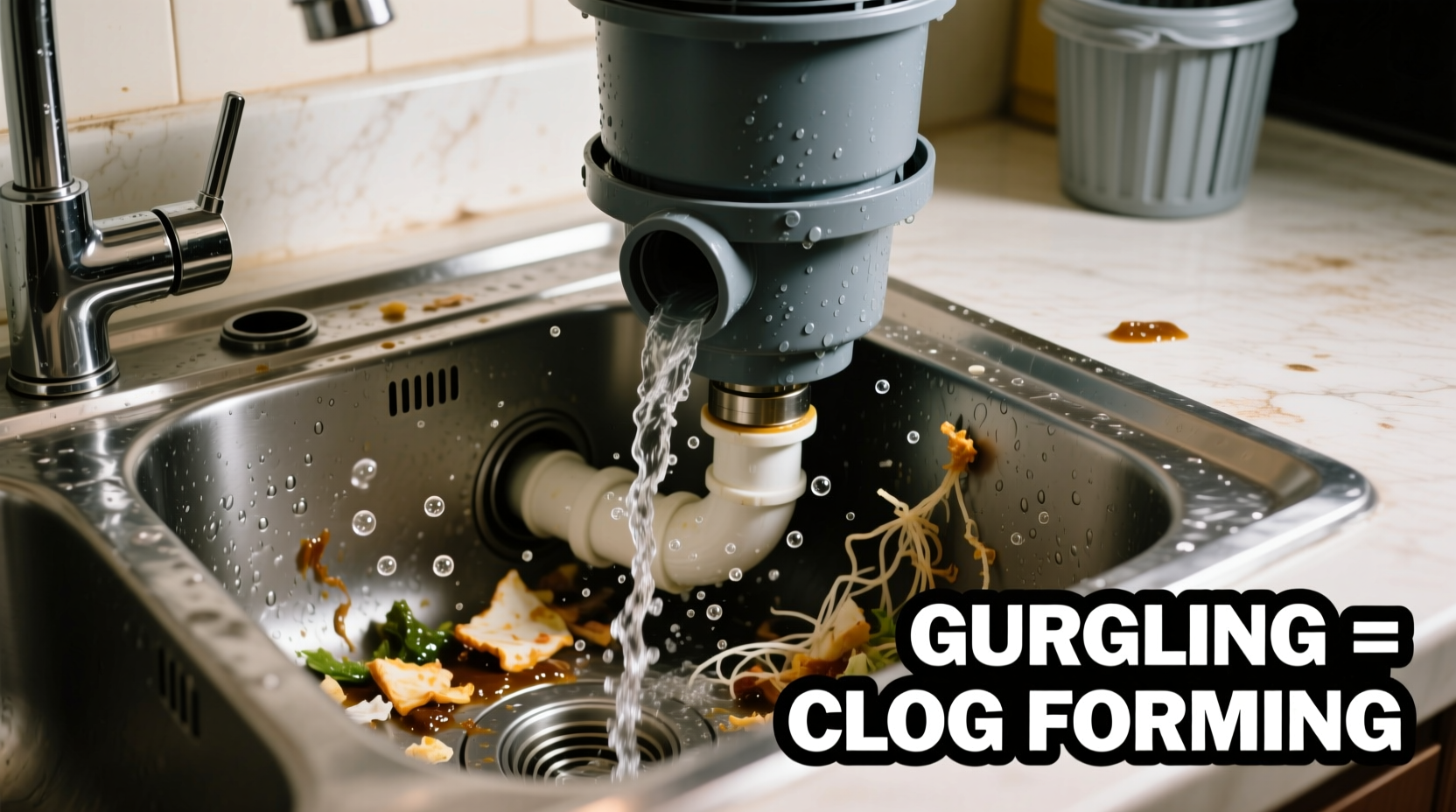
Your garbage disposal is designed to grind food waste into small particles that can be flushed safely through your home’s drainage system. Once ground up, water carries the debris from the disposal unit into the P-trap (a U-shaped pipe beneath the sink), then onward to the main drain line. A properly functioning system allows air to move freely through vent pipes while water flows smoothly downstream.
Gurgling occurs when air is forced through standing water in the pipes due to partial blockage. As wastewater tries to pass through a narrowed passage, it creates bubbles and vacuum effects. These disturbances produce the characteristic bubbling or gurgling noise—often heard not only from the sink but sometimes from nearby drains or toilets as well.
This phenomenon is essentially your plumbing’s way of signaling resistance. Unlike loud grinding or humming (which may point to mechanical failure), gurgling specifically relates to airflow disruption caused by obstructions in the drainage path.
Common Causes of Gurgling in Garbage Disposals
Several factors contribute to restricted drainage and subsequent gurgling. Identifying the root cause is essential for effective resolution.
- Fatty buildup: Cooking oils, grease, and fats solidify over time, coating pipe interiors and trapping food particles.
- Starchy food remnants: Items like rice, pasta, and potato peels expand when wet, increasing their volume inside narrow pipes.
- Fibrous materials: Celery stalks, onion skins, corn husks, and banana peels don’t break down easily and can tangle around impellers or cling to pipe walls.
- Coffee grounds: Though seemingly fine, they accumulate like sediment and combine with grease to form stubborn sludge.
- Improper venting: A blocked plumbing vent on the roof restricts airflow, creating negative pressure that pulls air through water in traps, causing gurgles.
- Partial mainline clogs: Blockages deeper in the sewer line affect multiple fixtures, leading to slow drainage and cross-drain noises.
Each of these culprits reduces the diameter of your drain over time. Even if water still flows, reduced capacity increases turbulence and air entrapment—both of which manifest as gurgling.
Mini Case Study: The Weekend Cookout Aftermath
After hosting a backyard barbecue, Sarah noticed her kitchen sink began making strange bubbling sounds whenever she ran the dishwasher. At first, she dismissed it as normal post-cooking strain on the system. Over the next two days, the gurgling worsened, occurring even when no water was running. She also observed that her bathroom sink drained slower than usual.
She called a plumber who diagnosed a partial blockage in the main sewer line. Investigation revealed a combination of melted grill grease poured down the sink and fibrous vegetable scraps from salad prep. The gurgling was not isolated to the disposal—it signaled a broader issue affecting interconnected drains. After hydro-jetting the line, the noises ceased, and flow returned to normal.
Sarah now avoids pouring grease down any drain and uses a compost bin for fibrous scraps—a small change that prevents costly repairs.
Signs a Clog Is Forming Beyond Just Gurgling
Gurgling is rarely the only symptom. Watch for these accompanying red flags:
- Slow drainage: Water takes longer than usual to disappear from the sink bowl.
- Foul odors: Rotten egg or sour smells indicate trapped organic matter decomposing in stagnant water.
- Water backing up: When using the disposal or dishwasher, water rises into the second sink basin or floods the floor.
- Multiple affected fixtures: Toilets bubble when the sink drains or showers take longer to empty.
- Recurring jams: Frequent need to reset the disposal suggests ongoing material buildup.
If more than one of these symptoms appears alongside gurgling, assume a developing clog exists. Early intervention prevents escalation into complete blockages or sewage backup.
| Symptom | Indicates | Action Required |
|---|---|---|
| Gurgling after disposal use | Minor restriction or air displacement | Monitor; flush with hot water and baking soda |
| Slow drain + gurgling | Partial clog forming | Clean disposal and check P-trap |
| Odors + gurgling | Organic buildup in trap or line | Deep clean with enzyme cleaner |
| Backups in other fixtures | Mainline obstruction | Call plumber for camera inspection |
“Gurgling is one of the earliest auditory cues of drainage problems. Homeowners who act at this stage avoid 70% of major plumbing emergencies.” — James Larkwell, Master Plumber & Founder of ClearFlow Plumbing Services
Step-by-Step Guide to Diagnose and Clear a Developing Clog
Follow this methodical approach to determine where the blockage lies and how to remove it safely.
- Turn off power: Locate the circuit breaker or switch under the sink and shut off electricity to the disposal.
- Inspect visible components: Shine a flashlight into the disposal chamber. Look for stuck debris, especially fibrous strands or large chunks.
- Manually rotate impellers: Insert an Allen wrench into the bottom center of the unit and turn back and forth to free any jammed mechanism.
- Flush with hot water: Turn on the faucet with hot water (not boiling) and run for 30 seconds to dissolve light grease.
- Use natural cleaners: Pour ½ cup baking soda followed by 1 cup vinegar into the disposal. Let sit for 10 minutes, then flush with hot water.
- Check the P-trap: Place a bucket underneath and unscrew the slip nuts to remove the trap. Clean out accumulated gunk.
- Test drainage: Reassemble and run water. If gurgling persists, the clog may be deeper.
- Use a drain snake: Feed a hand-operated auger into the drain line from the disposal outlet to break up obstructions.
- Evaluate whole-house symptoms: If other drains are affected, suspect a mainline clog—contact a professional for video inspection.
Avoid chemical drain cleaners—they can corrode metal components and damage PVC joints. Enzyme-based cleaners are safer for regular maintenance.
Preventive Checklist: Stop Clogs Before They Start
Maintaining your garbage disposal doesn’t require daily effort—just consistent habits. Use this checklist weekly to keep your system flowing smoothly:
- ✅ Grind citrus peels monthly to freshen and clean blades
- ✅ Avoid putting grease, coffee grounds, or fibrous foods down the disposal
- ✅ Always run cold water during and after use
- ✅ Clean disposal monthly with baking soda and vinegar
- ✅ Inspect P-trap every 3–6 months for buildup
- ✅ Never use disposal as a trash can—scrape plates first
- ✅ Install a sink strainer to catch solids before they enter the drain
Regular care extends the life of your unit and minimizes stress on your entire plumbing network.
When to Call a Professional Plumber
Some situations go beyond DIY fixes. Seek expert help if you experience:
- Continuous gurgling despite cleaning attempts
- Sewage smell from drains or floor near foundation
- Water backing up into bathtubs or showers when flushing toilets
- Visible cracks or leaks in disposal housing
- No power to the unit after resetting the overload button
Modern diagnostic tools like drain cameras allow plumbers to pinpoint clogs without destructive probing. Hydro-jetting can then clear years of buildup in minutes, restoring full pipe capacity.
FAQ
Is gurgling always a sign of a clog?
Not always. Occasional gurgling after heavy use may result from temporary air displacement. However, repeated or prolonged gurgling usually means a partial blockage is present and should be investigated.
Can a clogged vent cause my disposal to gurgle?
Yes. Plumbing vents allow air to equalize in drain lines. If the rooftop vent is blocked by leaves, nests, or ice, wastewater cannot flow freely, creating suction that pulls air through water in traps—resulting in gurgling sounds across multiple fixtures.
How often should I clean my garbage disposal to prevent clogs?
A deep cleaning every 4–6 weeks is sufficient for most households. Daily use of cold water during operation and avoiding problematic foods reduce the need for frequent interventions.
Conclusion
A gurgling garbage disposal is more than just a nuisance—it's a diagnostic clue. By paying attention to this early warning, you can intercept a minor buildup before it becomes a major plumbing crisis. Simple habits like proper usage, routine cleaning, and timely troubleshooting preserve both your disposal and your home’s drainage integrity.
Don’t wait until water starts backing up or foul odors dominate your kitchen. Address gurgling promptly, follow preventive practices, and know when to bring in a professional. Your plumbing system works silently most of the time; when it starts making noise, listen carefully—it might be telling you exactly what you need to fix.




 浙公网安备
33010002000092号
浙公网安备
33010002000092号 浙B2-20120091-4
Comments
No comments yet. Why don't you start the discussion?