
A gurgling garbage disposal isn’t just an odd sound—it’s often the first warning sign that something’s wrong with your kitchen’s drainage system. While some noise during operation is normal, persistent gurgling after use or when running water suggests trapped air, partial blockages, or venting issues. Ignoring these sounds can lead to full clogs, backups, or even damage to your plumbing. Understanding what causes the gurgle, how to identify the severity, and when to take action can save you time, money, and stress.
This guide breaks down the science behind the sound, walks through practical troubleshooting steps, and provides expert-backed solutions to restore smooth drainage in your kitchen sink.
What Causes a Garbage Disposal to Gurgle?
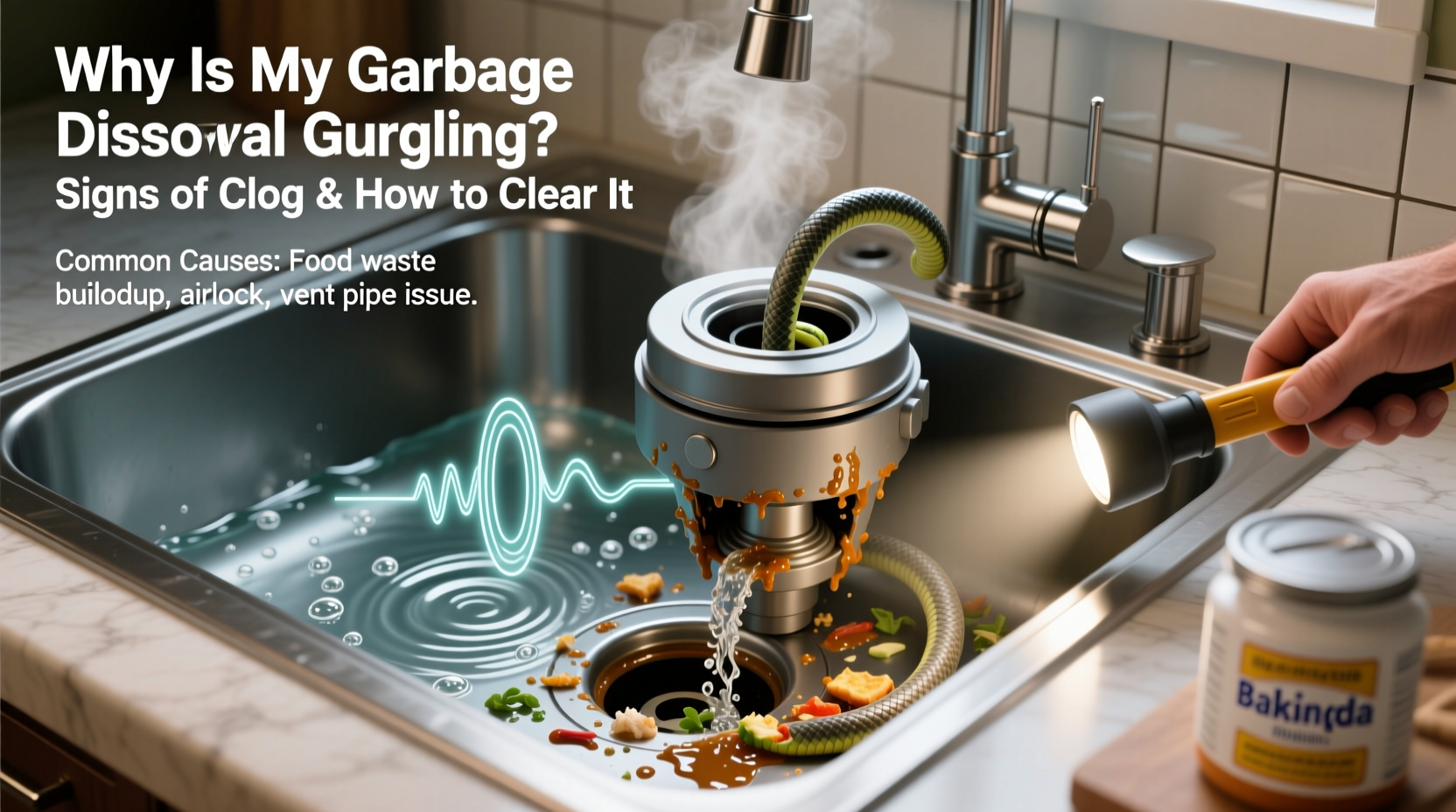
Gurgling occurs when air is forced through water in the drain pipes, creating bubbling or glugging noises. In a properly functioning system, wastewater flows smoothly to the sewer or septic tank without trapping air. When this flow is disrupted—often due to a partial clog or ventilation problem—the movement of water pulls air through standing liquid, producing the gurgling sound.
The most common culprits include:
- Partial clogs – Food debris, grease buildup, or fibrous materials partially obstructing the drain line.
- Air trapped in the P-trap – The U-shaped pipe under your sink holds water to block sewer gases; if airflow is restricted, it may cause gurgling.
- Vent stack blockage – Plumbing systems rely on roof vents to equalize pressure. If leaves, birds’ nests, or ice block the vent, negative pressure can pull air through drains.
- Cross-system interference – Flushing toilets or draining bathtubs elsewhere in the house can cause temporary gurgling if shared drain lines are slow-moving.
Signs Your Disposal Has a Clog (Beyond Gurgling)
Gurgling alone doesn't confirm a clog, but when combined with other symptoms, it becomes a red flag. Watch for these telltale signs:
- Slow Drainage – Water takes longer than usual to disappear from the sink, especially after grinding waste.
- Foul Odors – Rotting food stuck in a clogged line emits unpleasant smells, particularly when the disposal runs.
- Water Backup – Wastewater rises into the second sink bowl in a double-basin setup instead of draining.
- Recurring Jams – Frequent need to reset the disposal indicates ongoing blockage issues.
- Weak Grinding Performance – The motor runs, but food isn’t being processed efficiently, suggesting impeller obstruction.
These symptoms often appear together. For example, a partial clog slows drainage, traps decomposing food, and creates suction effects that result in gurgling when water finally moves.
Do’s and Don’ts of Garbage Disposal Maintenance
| Do | Don’t |
|---|---|
| Run cold water before, during, and after use to solidify grease and flush particles. | Use hot water while grinding—it can melt grease and deposit it further down the pipe. |
| Grind small amounts of citrus peels weekly to freshen the unit. | Put fibrous foods like celery, corn husks, or onion skins down the disposal. |
| Flush with baking soda and vinegar monthly for natural cleaning. | Use chemical drain cleaners—they can corrode metal components. |
| Inspect for leaks under the sink regularly. | Ignore unusual noises or vibrations. |
| Press the reset button if the motor stalls. | Stick your hand inside without turning off power at the switch. |
Step-by-Step Guide to Clear a Gurgling Disposal
If your disposal gurgles and shows signs of a clog, follow this safe, effective process to diagnose and resolve the issue.
- Turn Off Power – Locate the circuit breaker or unplug the unit under the sink. Safety first—never work on live electrical equipment.
- Check for Obstructions – Use tongs or pliers (not hands) to remove visible debris from the opening. Look for stuck utensils, bones, or fruit pits.
- Manually Rotate the Impellers – Insert a hex wrench (usually 1/4-inch) into the bottom center of the disposal. Turn back and forth to free any jammed parts. This restores mechanical motion.
- Flush with Baking Soda & Vinegar – Pour ½ cup baking soda followed by 1 cup vinegar down the drain. Let it fizz for 10–15 minutes, then flush with boiling water.
- Use a Plunger – Seal the non-disposal sink in a double basin with a wet rag. Use a standard sink plunger over the disposal side. Pump firmly 10–15 times to dislodge clogs in the trap.
- Snaking the Drain – Feed a 20-foot hand auger (plumber’s snake) into the disposal outlet or drainpipe. Rotate slowly to break up or retrieve deep clogs. Avoid electric snakes unless experienced.
- Test the Drain – Restore power, run cold water, and turn on the disposal. Listen for smooth operation and check drainage speed.
When Vent Issues Are the Real Culprit
Sometimes, the problem isn’t the disposal itself but the home’s plumbing ventilation system. Every drain connects to a network of pipes that require proper airflow to function. Without it, suction builds up, pulling air through water in traps—this causes gurgling even in drains not actively in use.
Common signs of a blocked vent stack:
- Gurgling occurs when flushing toilets or using showers.
- Multiple fixtures make strange noises simultaneously.
- Drains are slow throughout the house, not just the kitchen.
Clearing a vent requires accessing the roof. Use a garden hose or plumbing snake to remove debris like leaves, bird nests, or snow buildup. However, this task involves climbing and working at height—proceed with caution or hire a professional.
“Many homeowners mistake vent problems for clogs. If plunging and snaking don’t fix the gurgle, the issue is likely above—not below—the ceiling.” — Daniel Reyes, Master Plumber & HVAC Specialist
Mini Case Study: The Persistent Kitchen Gurgle
Jamie noticed her disposal started gurgling every time she rinsed dishes. At first, she ignored it. But within days, water began backing up into the second sink. She tried baking soda and vinegar, then a plunger—no improvement.
She called a local plumber who inspected the system. He found no clog in the disposal or trap. Instead, he climbed to the roof and discovered a squirrel nest blocking the main vent pipe. After clearing it with a snake, all gurgling stopped immediately, and drainage returned to normal.
The lesson? Sometimes the root cause lies far from the symptom.
Preventive Checklist: Avoid Future Clogs & Gurgling
Stay ahead of problems with this monthly maintenance checklist:
- ✅ Run cold water for 15 seconds before and after each use.
- ✅ Grind citrus peels or ice cubes weekly to clean internal components.
- ✅ Avoid disposing of coffee grounds, eggshells, rice, pasta, and grease.
- ✅ Inspect under-sink connections for leaks or corrosion.
- ✅ Flush with hot water and dish soap once a week (after disposal is off).
- ✅ Check roof vents seasonally for obstructions.
- ✅ Reset the disposal button monthly, even if not tripped, to maintain contact integrity.
Consistent care reduces wear and prevents the gradual buildup that leads to clogs and gurgling.
FAQ: Common Questions About Gurgling Disposals
Is gurgling always a sign of a clog?
No. Occasional gurgling after draining a full sink can be normal, especially in older homes. But persistent or worsening gurgling, especially with slow drainage, usually indicates a partial blockage or vent issue.
Can I use a chemical drain cleaner in a garbage disposal?
Not recommended. Harsh chemicals like lye or sulfuric acid can damage rubber seals, plastic components, and metal impellers. They also pose health risks. Opt for natural methods like baking soda and vinegar or mechanical clearing instead.
Why does only one side of my double sink gurgle?
This typically means the shared drain line has a partial clog downstream. Water from the non-disposal side may drain fine, but when the disposal runs, it forces air through the water in the clogged path. Try sealing the non-gurgling side with a wet cloth and plunging the affected side.
Conclusion: Act Early, Save Big
A gurgling garbage disposal is more than a nuisance—it’s a signal. Whether it's a minor clog, a jammed impeller, or a hidden vent blockage, addressing the issue early prevents costly repairs and water damage. By understanding the causes, applying safe clearing techniques, and maintaining your unit regularly, you keep your kitchen running smoothly and quietly.
Don’t wait for a full backup or foul stench to act. Test the simple fixes today, stay vigilant about what goes down the drain, and respect the mechanics of your home’s plumbing system. Small habits make a big difference in longevity and performance.




 浙公网安备
33010002000092号
浙公网安备
33010002000092号 浙B2-20120091-4
Comments
No comments yet. Why don't you start the discussion?