
A garbage disposal is one of those appliances you rarely think about—until it starts growling, grinding, or shrieking under your sink. Strange sounds from your disposal can range from mildly annoying to deeply concerning. While some noises are normal during operation, others signal mechanical failure, foreign object interference, or electrical issues that demand immediate attention.
Understanding what different sounds mean—and knowing when to attempt a fix yourself versus calling a licensed plumber or electrician—can save you time, prevent water damage, and avoid costly repairs down the line. This guide breaks down common garbage disposal noises, their likely causes, and actionable steps to resolve them safely and effectively.
Common Garbage Disposal Noises and What They Mean
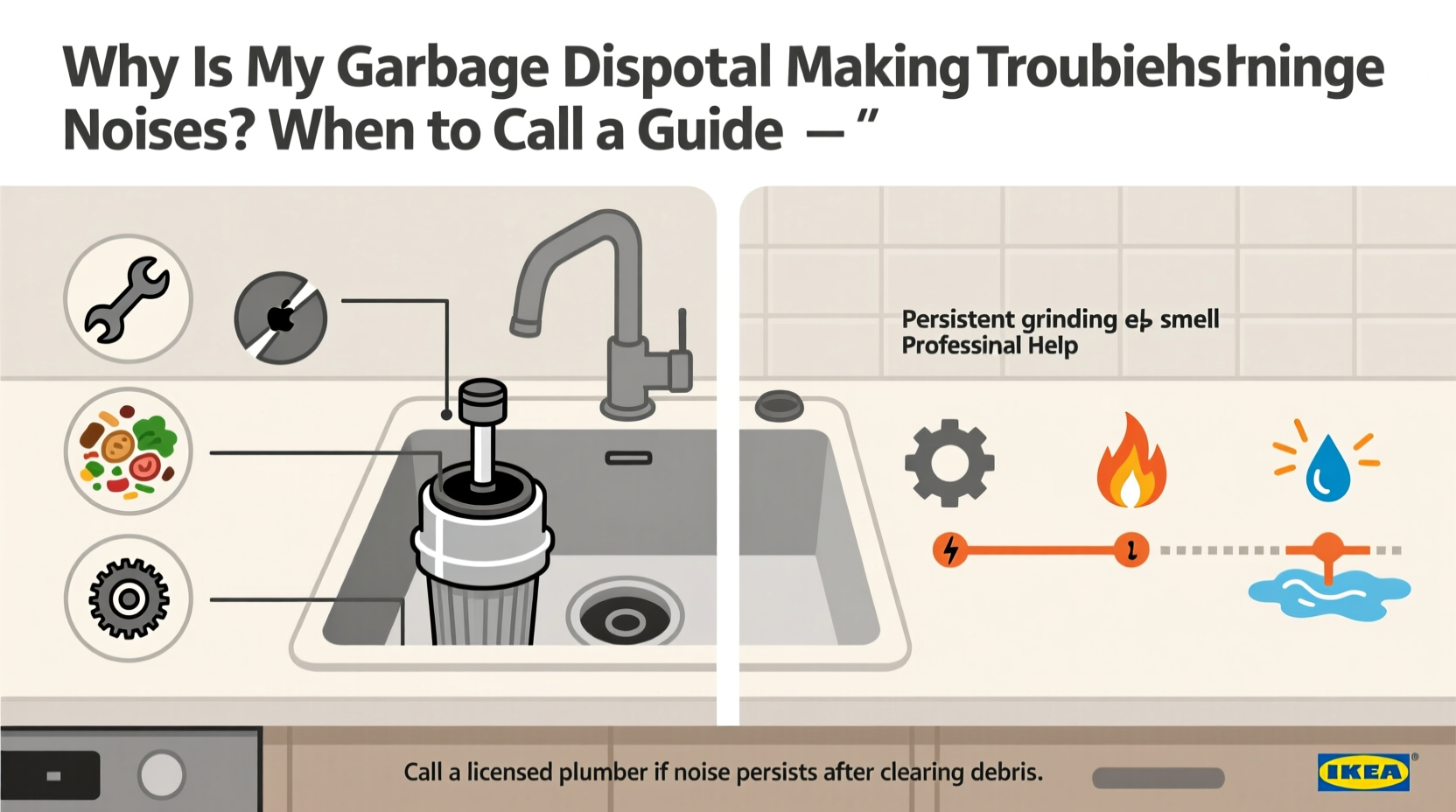
Not all strange noises are created equal. The type of sound often points directly to the root cause. Here’s a breakdown of typical garbage disposal sounds and what they might indicate:
- Grinding or rattling: Usually caused by hard objects like bones, fruit pits, silverware, or small utensils stuck in the grinding chamber.
- Humming without grinding: Indicates the motor is receiving power but the impellers aren’t turning—often due to a jam.
- Loud buzzing or vibrating: May suggest a loose mounting assembly, worn internal components, or an overloaded motor.
- High-pitched squealing: Typically linked to worn bearings or lack of lubrication in older units.
- Knocking or thumping: Can result from unbalanced impellers, damaged flywheel, or foreign debris hitting internal parts.
- No sound at all: Could point to a tripped reset button, blown fuse, or complete motor failure.
Each noise tells a story. Ignoring subtle signs can lead to major failures, including leaks, electrical shorts, or permanent unit replacement.
Step-by-Step Guide to Diagnosing and Fixing Common Issues
Before calling a professional, try these troubleshooting steps. Many minor problems can be resolved with basic tools and caution.
- Turn off power: Locate the circuit breaker or unplug the unit. Never work on a live disposal.
- Check the reset button: Most disposals have a red reset button on the bottom. If it’s popped out, press it firmly. Wait 10 seconds before restoring power.
- Inspect for visible obstructions: Shine a flashlight into the disposal chamber. Use tongs (never fingers) to remove any debris like corn husks, bones, or cutlery.
- Use an Allen wrench to manually rotate the impellers: Insert the wrench into the center hole at the bottom of the unit. Turn back and forth to free a jam. This often resolves humming sounds.
- Test the unit: Restore power and run cold water while briefly turning on the disposal. Listen carefully for changes in noise.
- Flush with ice and salt: Run a cup of ice cubes and a tablespoon of coarse salt through the disposal to clean and sharpen blades.
If the disposal runs smoothly after this process, the issue was likely a temporary jam or buildup. However, if the noise persists or worsens, deeper mechanical or electrical problems may exist.
When DIY Fixes Won’t Cut It: Signs You Need a Professional
Some issues go beyond homeowner repair capabilities. Attempting to fix advanced problems without proper training can lead to injury, voided warranties, or further damage. Recognizing when to call a pro is crucial.
“Garbage disposals involve both plumbing and electrical systems. A licensed technician has the tools and knowledge to diagnose internal faults safely.” — Carlos Mendez, Master Plumber & Appliance Specialist
Here are clear indicators it’s time to contact a professional:
- The disposal hums but doesn’t spin, even after resetting and clearing jams.
- You smell burning rubber or detect smoke near the unit—this suggests motor or wiring failure.
- Water leaks from the bottom of the disposal, indicating a failed seal or cracked housing.
- The unit vibrates excessively or shifts during operation, pointing to mounting or balance issues.
- There’s no response when turned on, and the reset button won’t stay engaged.
- The disposal frequently trips the circuit breaker.
In these cases, internal components such as the motor windings, start capacitor, or bearing seals may be compromised. These require disassembly, specialized testing, and often replacement parts only professionals can access.
Do’s and Don’ts of Garbage Disposal Maintenance
Preventing strange noises starts with proper use and routine care. Follow this simple table to extend the life of your unit and reduce the risk of breakdowns.
| Do’s | Don’ts |
|---|---|
| Run cold water before, during, and after use to flush grease and solidify oils. | Never pour hot water down while running—it can melt fats and cause clogs downstream. |
| Grind small amounts of food waste at a time. | Avoid overloading the unit with fibrous foods like celery, onion skins, or artichokes. |
| Clean monthly with ice, rock salt, and citrus peels to deodorize and sharpen blades. | Don’t dispose of coffee grounds regularly—they accumulate and form sludge. |
| Use the disposal only for approved food scraps. | Never put grease, oil, eggshells, or non-food items down the drain. |
| Inspect mounting hardware annually for tightness. | Don’t ignore persistent odd sounds—even intermittent ones can indicate developing issues. |
Real-World Example: When a Hum Led to a Hidden Disaster
Sarah from Portland noticed her disposal started humming loudly every time she turned it on. She reset the unit and used an Allen wrench to loosen what she thought was a jam. The disposal ran for a few days but then stopped completely—and began leaking under the sink.
She called a local plumber, who discovered the motor shaft seal had failed. Moisture had seeped into the motor housing, causing corrosion and short-circuiting the windings. The entire unit needed replacement, but because Sarah delayed calling a pro, water damage also affected the cabinet flooring—adding $300 to the repair bill.
This case highlights how a simple-sounding issue can mask serious internal decay. Early professional diagnosis could have saved hundreds in secondary damage.
How Often Should You Replace Your Garbage Disposal?
Most disposals last between 8 and 15 years, depending on usage and maintenance. Even well-maintained units eventually wear out. As disposals age, they become more prone to unusual noises due to bearing wear, impeller imbalance, or motor degradation.
If your unit is over 10 years old and making new or worsening sounds, consider replacement rather than repeated repairs. Modern models are quieter, more efficient, and often come with better warranties and safety features.
Upgrading also gives you the chance to install a unit with higher horsepower, sound insulation, or smart features like auto-reverse grinding technology—reducing future noise issues significantly.
Frequently Asked Questions
Is it safe to use a garbage disposal that makes a grinding noise?
Occasional light grinding is normal when processing tough food scraps. However, loud, metallic, or irregular grinding—especially if new—should not be ignored. Turn off the unit and inspect for foreign objects. Persistent grinding after clearing debris likely indicates damaged impellers or internal parts needing professional service.
Why does my disposal make noise even when it’s turned off?
If you hear clicking, ticking, or faint buzzing when the disposal is off, check for electrical issues. A faulty switch or relay may be sending intermittent current to the motor. This is a fire hazard and requires immediate inspection by a qualified electrician or plumber.
Can I lubricate my garbage disposal to reduce noise?
Yes—but only with manufacturer-approved methods. Pouring a few drops of food-grade mineral oil down the drain monthly can help quiet squeaky bearings. Avoid WD-40 or other petroleum-based sprays, which can degrade rubber seals and contaminate plumbing.
Conclusion: Listen Closely, Act Wisely
Your garbage disposal communicates through sound. A sudden change in its usual tone isn’t just a nuisance—it’s a warning. By understanding the difference between normal operation and dangerous malfunction, you can protect your home’s plumbing, avoid safety risks, and extend the life of your appliance.
Simple maintenance and timely intervention can resolve many issues. But when noises persist, worsen, or are accompanied by leaks, burning smells, or electrical problems, don’t hesitate to call a licensed professional. The cost of a service call is minor compared to water damage, electrical hazards, or full kitchen flooding.
Stay proactive. Treat strange noises as urgent signals, not background noise. Your kitchen—and your wallet—will thank you.




 浙公网安备
33010002000092号
浙公网安备
33010002000092号 浙B2-20120091-4
Comments
No comments yet. Why don't you start the discussion?