
Seeing your goldfish struggle to swim normally can be alarming. Instead of gliding smoothly through the water, it may tilt, float at odd angles, or even swim upside down. This abnormal behavior often indicates an underlying health problem or environmental stressor in the aquarium. While it might seem like a minor quirk at first, persistent sideways swimming is rarely normal and usually points to a condition that requires attention. The most common culprit is swim bladder disorder, but other factors such as poor water quality, overfeeding, constipation, or infections can also play a role.
Goldfish are particularly prone to buoyancy issues due to their body shape—especially fancy varieties with round, compressed bodies. These physical traits can compress internal organs, including the swim bladder, making them more susceptible to dysfunction. However, not every case is untreatable. With proper diagnosis and timely intervention, many goldfish recover fully and resume normal swimming patterns.
Understanding the Swim Bladder and Its Role
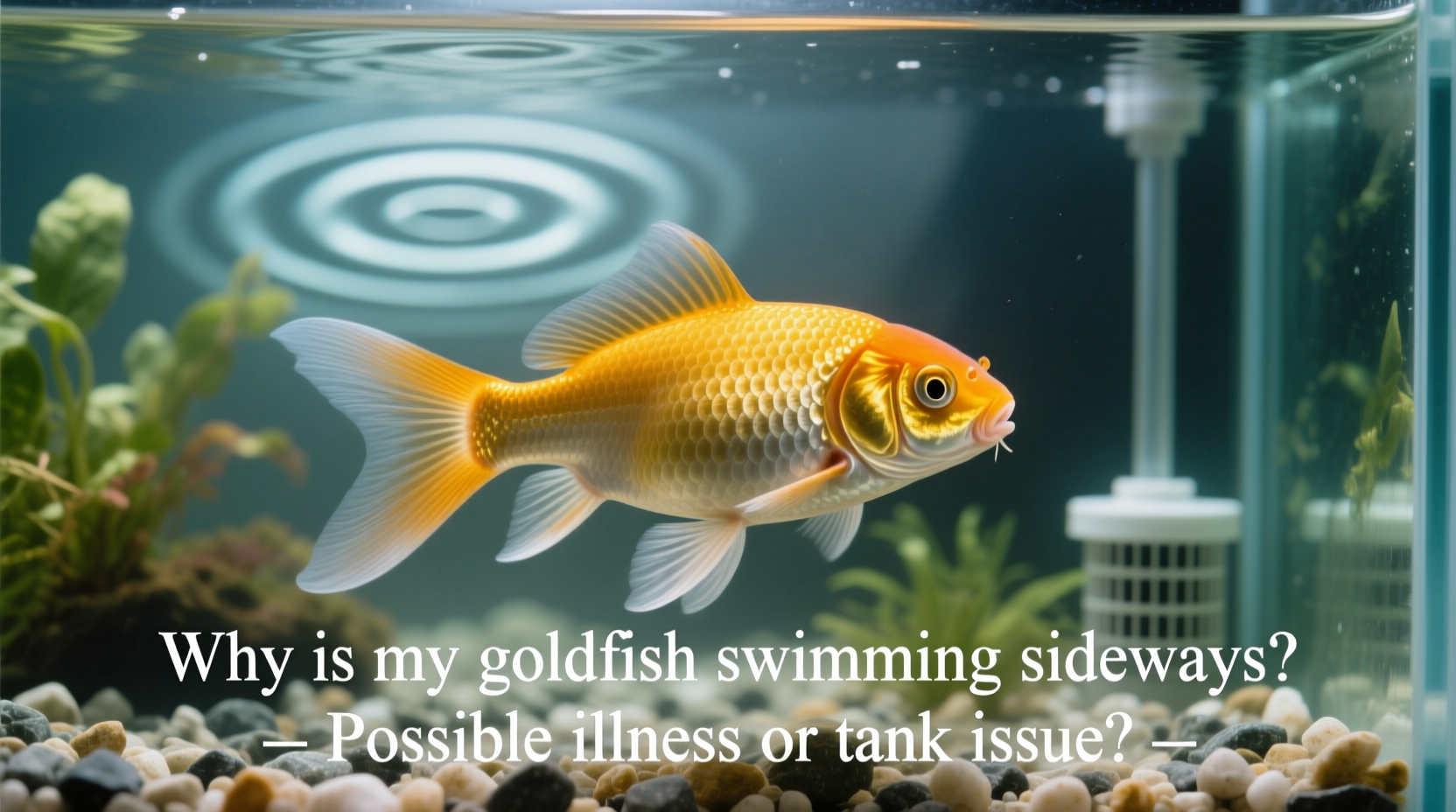
The swim bladder is a gas-filled organ that helps fish maintain neutral buoyancy in water. By adjusting the amount of gas inside this sac, a goldfish can rise, sink, or hover effortlessly at different depths. When functioning properly, the swim bladder allows for smooth, balanced movement. But when compromised, it disrupts equilibrium, leading to erratic swimming behaviors such as floating at the surface, sinking to the bottom, or swimming on one side.
In goldfish, the swim bladder runs along the dorsal side of the body and connects to the digestive tract in some species. This anatomical link means that gastrointestinal problems—like bloating or constipation—can directly impact swim bladder function. Additionally, physical trauma, bacterial infections, or congenital defects may impair the organ’s ability to regulate pressure.
“Swim bladder issues in goldfish are among the most frequently observed ailments in home aquariums. Most cases are manageable if addressed early.” — Dr. Rebecca Lang, Aquatic Veterinarian
Common Causes of Sideways Swimming
Sideways swimming isn’t a disease itself—it’s a symptom. Identifying the root cause is essential for effective treatment. Below are the primary reasons your goldfish may be losing balance:
- Swim Bladder Disorder (SBD): Often caused by overeating, eating dry foods that expand in the gut, or gulping air during feeding.
- Poor Water Quality: High levels of ammonia, nitrites, or nitrates stress the fish’s system and weaken immunity, making it more vulnerable to internal issues.
- Dietary Problems: A lack of fiber or excessive consumption of low-quality flake food can lead to constipation and bloating.
- Physical Deformities: Some fancy goldfish are bred with body shapes that naturally compress internal organs, predisposing them to chronic swim bladder issues.
- Bacterial or Parasitic Infections: Internal infections can inflame the swim bladder or surrounding tissues, disrupting function.
- Temperature Fluctuations: Cold water slows digestion, increasing the risk of food impaction and gas buildup.
Step-by-Step Guide to Diagnose and Treat the Issue
Addressing sideways swimming requires a methodical approach. Rushing to medicate without understanding the cause can worsen the situation. Follow this timeline to assess and resolve the problem:
- Observe Behavior (Day 1): Note whether the fish floats, sinks, or swims lopsided. Check for additional symptoms like clamped fins, lethargy, or loss of appetite.
- Test Water Parameters (Day 1): Use a liquid test kit to measure ammonia, nitrite, nitrate, pH, and temperature. Ideal levels: Ammonia = 0 ppm, Nitrite = 0 ppm, Nitrate < 40 ppm, pH between 6.5–7.5, temperature 68–74°F (20–23°C).
- Fast the Fish (Days 2–3): Stop feeding for 48–72 hours to allow the digestive tract to clear. Fasting reduces pressure on the swim bladder from undigested food.
- Feed Cooked Peas (Day 4): Offer one shelled, de-skinned, and lightly boiled pea per small goldfish. Peas act as a natural laxative and help relieve constipation.
- Perform a Partial Water Change (During Treatment): Replace 30–50% of the tank water with conditioned water matching the existing temperature.
- Elevate Water Temperature Slightly (Optional): If digestion seems slow, increase the temperature to 72–74°F to boost metabolic activity.
- Resume Feeding with Care (After Day 4): Introduce easily digestible foods like soaked pellets or gel-based diets. Avoid dry flakes initially.
- Monitor Progress (Ongoing): Improvement should be visible within 3–5 days. If no change occurs, consider bacterial infection and consult a vet.
Tank Conditions That Contribute to Buoyancy Issues
Your aquarium environment plays a critical role in your goldfish’s health. Even if diet and genetics are managed well, poor tank conditions can trigger or worsen swim bladder problems. Consider these key factors:
| Tank Factor | Recommended Standard | Risk of Deviation |
|---|---|---|
| Ammonia Level | 0 ppm | Liver damage, weakened immune system |
| Nitrite Level | 0 ppm | Reduced oxygen transport in blood |
| Nitrate Level | Below 40 ppm | Chronic stress, increased disease susceptibility |
| pH Stability | 6.5–7.5 | Osmoregulatory stress, organ strain |
| Water Temperature | 68–74°F (20–23°C) | Cold = slow digestion; hot = oxygen depletion |
| Tank Size | Minimum 20 gallons for one goldfish | Overcrowding leads to poor water quality |
Overstocked tanks or those without adequate filtration are breeding grounds for toxins. Goldfish produce significant waste, so efficient mechanical and biological filtration is non-negotiable. Additionally, ensure your tank has been properly cycled before introducing fish—new tank syndrome, where beneficial bacteria haven’t established, is a frequent cause of sudden health decline.
Mini Case Study: Luna the Oranda’s Recovery
Luna, a 2-year-old orange Oranda, began swimming sideways after her owner switched to a new brand of floating pellet food. She would flip onto her side near the surface and struggle to dive. Concerned, the owner stopped feeding immediately and tested the water. Results showed elevated nitrates (65 ppm) and a pH swing from 7.0 to 6.2 due to infrequent water changes.
Following a 50% water change and a three-day fast, Luna was fed half a boiled pea. Within 48 hours, she passed white, stringy feces—indicating relief from impaction. Over the next week, her owner resumed feeding with soaked pellets and increased weekly water changes to 40%. By day 10, Luna was swimming normally again.
This case highlights how multiple factors—diet, water quality, and feeding habits—can converge to create a health crisis. Addressing all elements simultaneously led to a full recovery.
Prevention Checklist: Keep Your Goldfish Balanced and Healthy
Preventing swim issues is far more effective than treating them. Use this checklist to maintain optimal conditions:
- ✅ Feed high-quality, sinking pellets instead of floating flakes to reduce air ingestion.
- ✅ Soak dry food in tank water for 5–10 minutes before feeding.
- ✅ Offer blanched peas once a week as a digestive aid.
- ✅ Perform weekly 30–50% water changes using dechlorinated water.
- ✅ Maintain stable water temperature with a reliable heater (even in room-temperature environments).
- ✅ Use a filter rated for at least twice your tank’s volume to handle goldfish waste.
- ✅ Avoid overfeeding—offer only what the fish can consume in 2 minutes, once or twice daily.
- ✅ Quarantine new fish for 2–4 weeks to prevent disease introduction.
Frequently Asked Questions
Can swim bladder disorder be permanent?
In most cases, swim bladder disorder is temporary and resolves with dietary and environmental adjustments. However, if the issue stems from a genetic deformity or severe internal damage, it may become chronic. Affected fish can still live comfortably with modified care, such as feeding sinking foods and ensuring easy access to the surface.
Should I use aquarium salt for a goldfish with buoyancy issues?
Aquarium salt (sodium chloride) can help reduce stress and improve gill function, but it won’t cure swim bladder disorder directly. Use it cautiously—1 tablespoon per 5 gallons—as a supportive measure during recovery, especially if you suspect mild infection or osmotic stress. Do not use iodized table salt.
Is it safe to isolate a goldfish showing sideways swimming?
Yes, isolation in a hospital tank is recommended if you plan to medicate or if the fish is being bullied. However, ensure the quarantine tank has similar water parameters and provide hiding spots to minimize stress. Avoid netting the fish aggressively—use a cup to transfer gently.
When to Seek Professional Help
While many cases resolve at home, certain signs indicate the need for veterinary intervention:
- No improvement after 7–10 days of fasting and water management
- Visible swelling, redness, or protruding scales (possible dropsy)
- Labored breathing or lying motionless at the bottom
- Loss of appetite lasting more than a week
An aquatic veterinarian may perform diagnostic tests, prescribe antibiotics for bacterial infections, or recommend supportive therapies. In rare cases, X-rays or ultrasounds can assess internal abnormalities.
Conclusion: Act Early, Prevent Future Issues
Sideways swimming in goldfish is a warning sign—not a death sentence. Most cases stem from preventable causes like poor diet or unstable tank conditions. By acting quickly with fasting, proper feeding, and water maintenance, you can restore your fish’s health and prevent recurrence. Remember, prevention is always better than cure. Establish consistent care routines, monitor water quality regularly, and feed thoughtfully to keep your goldfish thriving.




 浙公网安备
33010002000092号
浙公网安备
33010002000092号 浙B2-20120091-4
Comments
No comments yet. Why don't you start the discussion?