
Sneezing in guinea pigs can be a normal occasional occurrence or a sign of something more serious. As prey animals, guinea pigs are experts at hiding illness, which means subtle symptoms like frequent sneezing may be one of the earliest indicators that something is wrong. Understanding the reasons behind your pet’s sneezing—ranging from harmless irritants to life-threatening infections—is essential for timely intervention and long-term health.
This guide breaks down the most common causes of sneezing in guinea pigs, outlines warning signs that demand veterinary attention, and provides practical steps you can take at home to support your pet’s respiratory health.
Common Causes of Sneezing in Guinea Pigs
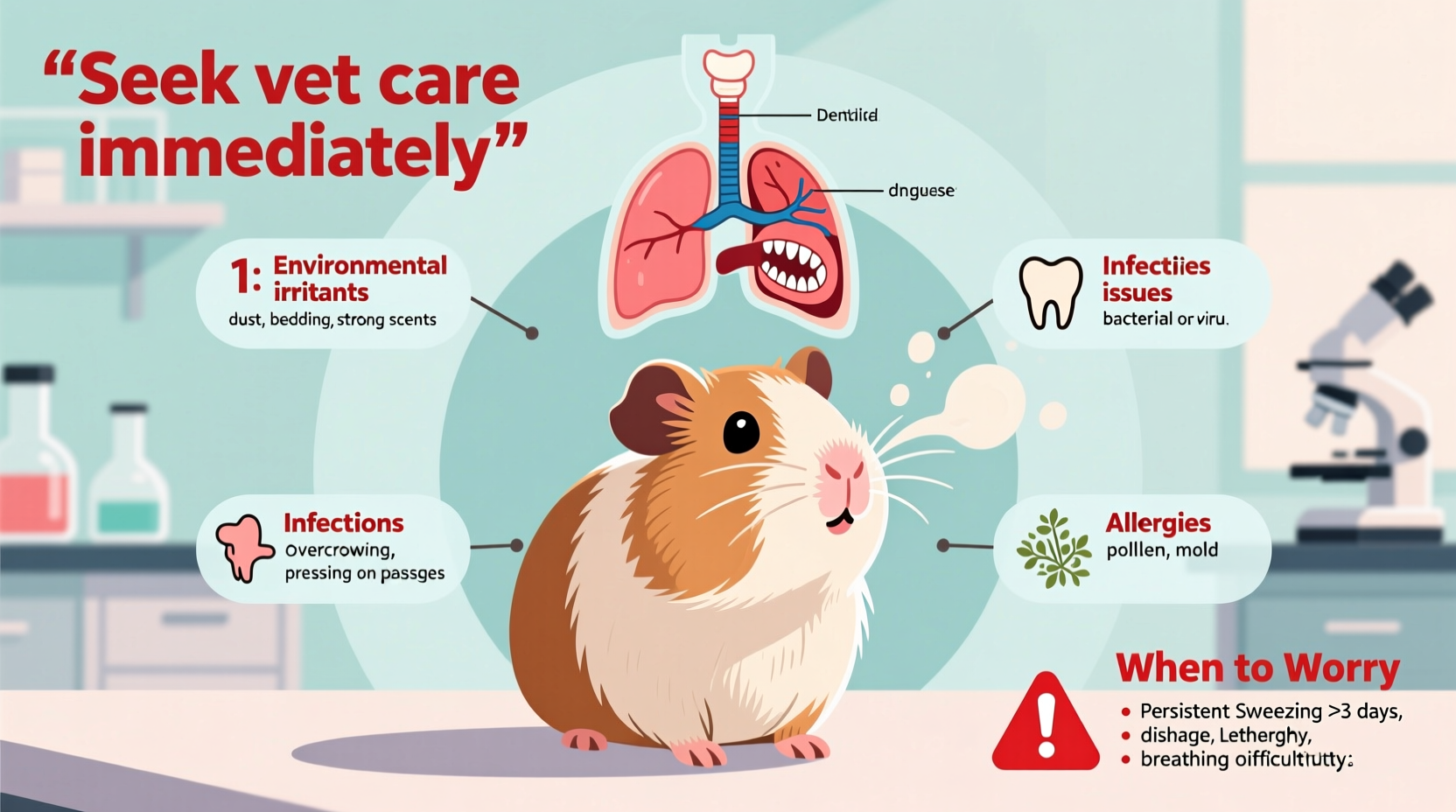
Guinea pigs have delicate respiratory systems, making them prone to irritation and infection. Occasional sneezing isn’t always alarming, but knowing what triggers it helps determine whether action is needed.
- Dust and Bedding Irritants: One of the most frequent causes of sneezing is airborne dust from low-quality bedding, such as pine or cedar shavings. These materials release aromatic oils and fine particles that irritate nasal passages.
- Poor Air Quality: Stale air, strong cleaning products, perfumes, or cigarette smoke near the cage can trigger respiratory discomfort.
- Allergens: While less common, guinea pigs can react to allergens like pollen, mold spores, or even certain foods.
- Nasal Foreign Bodies: Tiny bits of hay or bedding can become lodged in the nasal cavity, causing repeated sneezing on one side.
- Dental Issues: Overgrown teeth or abscesses can press into nasal passages, leading to chronic sneezing and discharge.
- Bacterial Infections: Respiratory infections caused by bacteria like *Streptococcus pneumoniae* or *Bordetella bronchiseptica* often present with sneezing, nasal discharge, and labored breathing.
When Sneezing Signals a Serious Problem
Not all sneezing requires immediate concern, but certain accompanying symptoms indicate an underlying illness that needs prompt veterinary care. Guinea pigs can deteriorate rapidly once sick, so vigilance is critical.
“Respiratory issues in guinea pigs are among the most common reasons for emergency vet visits. Early detection dramatically improves outcomes.” — Dr. Laura Silverman, Exotic Animal Veterinarian
Watch for these red flags:
- Yellow or green nasal discharge (indicates infection)
- Frequent or persistent sneezing lasting more than 2–3 days
- Wheezing, clicking sounds, or open-mouth breathing
- Lethargy or reduced activity
- Loss of appetite or refusal to eat
- Crusting around the nostrils or eyes
- Hunched posture or ruffled fur
If your guinea pig displays any combination of these symptoms, especially nasal discharge and difficulty breathing, contact an exotic veterinarian immediately. Delaying treatment can lead to pneumonia, sepsis, or death.
Environmental Factors and Preventive Care
Many cases of sneezing are preventable through proper husbandry. The environment plays a major role in your guinea pig’s overall health, particularly their respiratory system.
Optimizing Cage Conditions
Maintaining clean, well-ventilated living space is fundamental. Avoid placing cages in drafty areas or near kitchen vents, heaters, or direct sunlight, which can create temperature fluctuations and circulate airborne particles.
| Factor | Do | Avoid |
|---|---|---|
| Bedding | Paper-based, aspen, or fleece liners | Pine, cedar, or dusty straw |
| Cleaning Frequency | Spot clean daily; full change weekly | Infrequent cleaning or ammonia buildup |
| Ventilation | Well-circulated room, no drafts | Enclosed closets or humid basements |
| Humidity | 40–60% | Over 70% (promotes mold) |
Replace wet or soiled bedding promptly. Ammonia from urine buildup not only smells unpleasant but damages delicate lung tissue over time.
Diet and Immune Support
A balanced diet strengthens your guinea pig’s ability to resist infection. Unlike most animals, guinea pigs cannot produce vitamin C on their own, making supplementation vital.
- Provide unlimited access to fresh hay (timothy or orchard grass)
- Offer 1/8 cup of high-quality pellet food daily, fortified with vitamin C
- Feed leafy greens like romaine lettuce, cilantro, and bell peppers regularly
- Avoid sudden dietary changes or sugary treats
Step-by-Step: What to Do If Your Guinea Pig Is Sneezing
Follow this timeline to assess and respond appropriately to sneezing behavior:
- Day 1 – Observe and Monitor: Note frequency of sneezes, presence of discharge, eating habits, and activity level. Check the cage for dust, dampness, or strong odors.
- Day 2 – Adjust Environment: Change bedding to a dust-free option, clean the cage thoroughly, and relocate if near irritants. Ensure fresh water and food are available.
- Day 3 – Reassess Symptoms: If sneezing persists or worsens, or if other symptoms appear (e.g., mucus, lethargy), contact a vet experienced with small mammals.
- Day 4+ – Seek Veterinary Care: Do not wait. Bacterial infections require antibiotics specific to guinea pigs. Self-medicating or delaying treatment can be fatal.
Your vet may perform a physical exam, check teeth alignment, and possibly take radiographs to rule out pneumonia or dental abscesses. Treatment often includes injectable or oral antibiotics, anti-inflammatories, and supportive care like syringe feeding if appetite drops.
Mini Case Study: Bella the Sneezy Guinea Pig
Bella, a two-year-old female guinea pig, began sneezing frequently over a weekend. Her owner initially assumed it was due to new hay. After switching brands, the sneezing continued, and Bella developed a slight yellow nasal discharge and stopped eating her favorite parsley.
The owner brought her to an exotic vet within 24 hours. Examination revealed molar spurs pressing into her sinus cavity, causing chronic irritation and secondary bacterial infection. After a dental float procedure and a course of antibiotics, Bella recovered fully within two weeks.
This case highlights how dental problems—a hidden cause—can mimic respiratory illness. Regular checkups, including dental exams, are crucial for prevention.
Checklist: Responding to Guinea Pig Sneezing
Use this actionable checklist to determine next steps:
- ✅ Assess sneezing frequency: occasional vs. constant
- ✅ Check for nasal or eye discharge (color matters!)
- ✅ Inspect bedding and cage cleanliness
- ✅ Eliminate potential irritants (cleaners, smoke, dust)
- ✅ Monitor appetite and droppings (signs of pain or illness)
- ✅ Weigh your guinea pig daily (weight loss = emergency)
- ✅ Contact an exotic vet if symptoms persist beyond 48 hours
FAQ
Is it normal for guinea pigs to sneeze occasionally?
Yes, occasional sneezing—especially during cage cleaning or when exposed to dust—is normal. However, repeated or forceful sneezing, especially with other symptoms, should not be ignored.
Can I treat my guinea pig’s sneezing at home?
You can improve the environment and monitor closely, but do not attempt to treat infections with over-the-counter medications. Many human or pet drugs are toxic to guinea pigs. Only a qualified vet should prescribe treatment.
How can I prevent respiratory problems in my guinea pig?
Maintain a clean, dry, well-ventilated habitat with dust-free bedding, provide a vitamin C-rich diet, avoid stressors, and schedule annual wellness exams with an exotic vet.
Conclusion: Stay Alert, Act Early
Sneezing in guinea pigs sits on a spectrum—from harmless environmental reactions to harbingers of severe illness. Because these animals mask pain and illness so effectively, subtle changes in behavior or breathing warrant attention. By understanding the possible causes and recognizing when to seek help, you give your pet the best chance at a quick recovery and a long, healthy life.
Never underestimate the importance of early veterinary intervention. With the right care, most respiratory issues in guinea pigs are treatable—if caught in time.




 浙公网安备
33010002000092号
浙公网安备
33010002000092号 浙B2-20120091-4
Comments
No comments yet. Why don't you start the discussion?