
Guinea pigs are expressive, social animals whose vocalizations form a critical part of their communication. If your guinea pig is squeaking loudly, it’s not just random noise—it’s a message. These small rodents use a variety of sounds to express everything from excitement and hunger to fear and discomfort. Understanding what your guinea pig is trying to tell you can deepen your bond and improve their well-being. Unlike cats or dogs, guinea pigs don’t bark or meow on command, but their vocal range is surprisingly nuanced. By learning to interpret these sounds—especially loud squeaks—you gain insight into their emotional state and physical needs.
The Language of Guinea Pigs: More Than Just Noise
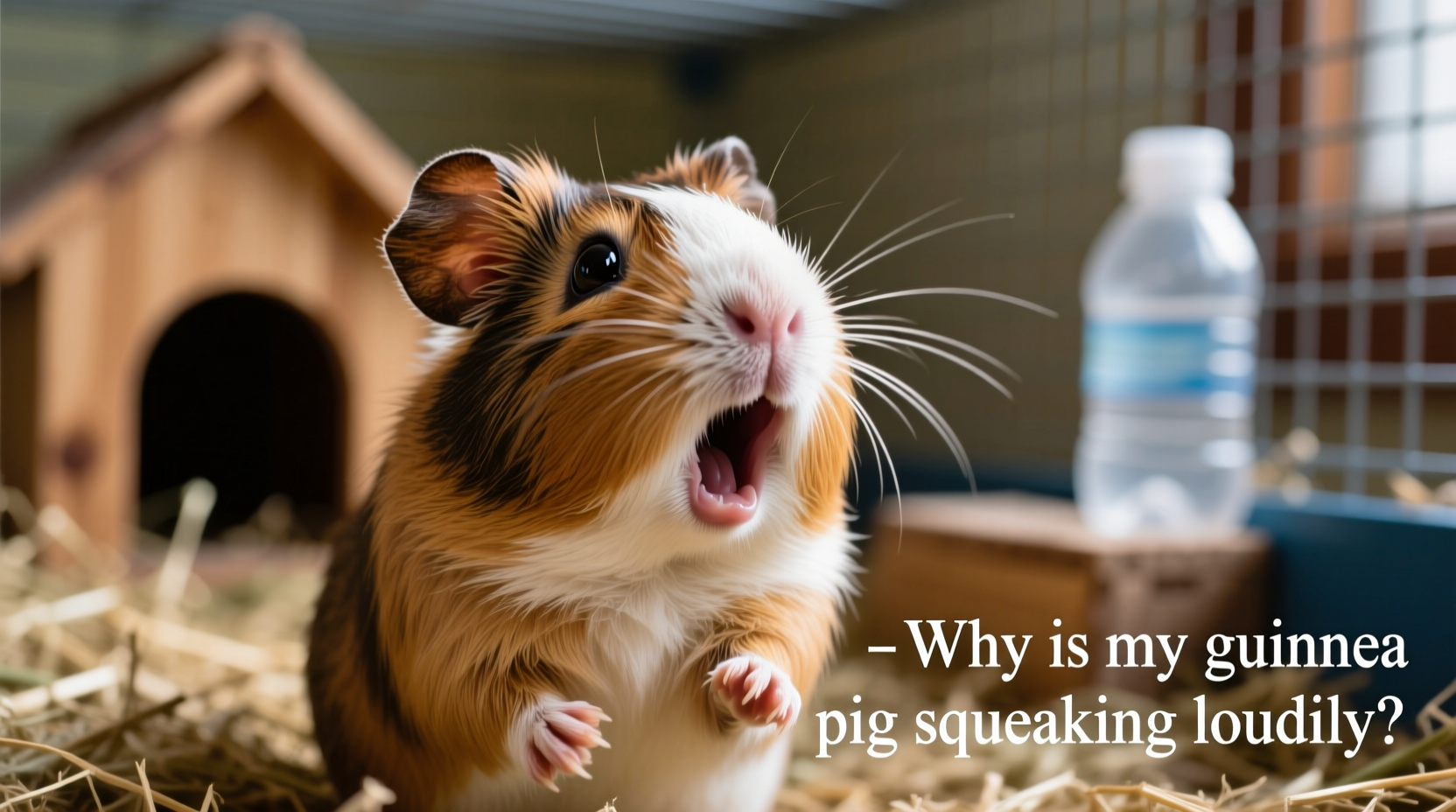
Guinea pigs are naturally vocal creatures. In the wild, they rely on sound to stay connected with their herd, warn of danger, and establish social hierarchies. Even in domestic settings, this instinct remains strong. Their vocal repertoire includes purring, chattering, rumbling, whining, and, most notably, the high-pitched squeak known as \"wheeking.\"
Wheeking is often the loudest and most attention-grabbing sound a guinea pig makes. It typically resembles a shrill, repetitive squeal and can carry across a room. While it may seem alarming at first, context is key. A wheek during feeding time carries a very different meaning than one heard in the middle of the night when the cage is disturbed.
Experts emphasize that guinea pigs do not vocalize without reason. Each sound corresponds to a specific emotional or physical trigger. According to Dr. Laura Brown, a small mammal veterinarian with over 15 years of experience, “Guinea pigs are excellent communicators. When they squeak, they’re not being dramatic—they’re sending a clear signal. Our job as caregivers is to learn their language.”
“Guinea pigs are excellent communicators. When they squeak, they’re not being dramatic—they’re sending a clear signal. Our job as caregivers is to learn their language.” — Dr. Laura Brown, Small Mammal Veterinarian
Common Reasons for Loud Squeaking and What They Mean
Loud squeaking in guinea pigs isn’t a single-purpose sound. It can indicate several different things depending on tone, frequency, and situation. Here are the most common causes:
1. Excitement or Anticipation (Positive Wheeking)
Many guinea pigs wheek when they see their owner approaching, especially if it’s around feeding time. This type of squeak is sharp and repetitive, often accompanied by running to the front of the cage or standing on hind legs. It’s their way of saying, “I see you! Where’s my food?”
This behavior is learned through positive reinforcement. Once guinea pigs associate your presence with treats or fresh vegetables, they’ll vocalize to speed up the process. It’s similar to a dog barking when it hears the leash come out.
2. Hunger or Thirst
A hungry guinea pig will often begin wheeking persistently if food or water runs low. Since they graze nearly continuously, any interruption in supply can prompt vocal protest. This is especially common in the morning or evening when their appetite peaks.
Check hay levels first—hay should be available 24/7. Also ensure their water bottle is functioning. A clogged sipper tube is a frequent cause of thirst-induced squeaking.
3. Fear or Alarm
Sudden, sharp squeals—sometimes called alarm calls—are a sign of distress. These differ from excited wheeking in tone: they’re shorter, more intense, and often followed by freezing or darting for cover.
Potential triggers include loud noises, fast movements, unfamiliar people, or perceived predators (like other pets). If your guinea pig squeaks after a loud bang or when another animal approaches, they’re expressing fear, not aggression.
4. Pain or Discomfort
Continuous or high-pitched squeaking, especially when handled or moving, may indicate pain. Guinea pigs are prey animals and naturally hide signs of illness, so vocalizing discomfort is significant.
Possible causes include dental issues (overgrown teeth), urinary problems, respiratory infections, or gastrointestinal stasis. If squeaking is paired with lethargy, hunched posture, or reduced appetite, seek veterinary care immediately.
5. Social Communication
Guinea pigs living in pairs or groups use squeaks to navigate social dynamics. A dominant pig may rumble or chirp, while a subordinate might emit short squeaks during interactions. During mating, males produce a rhythmic purr-rumble, and females may squeak in response.
If you have multiple guinea pigs, observe whether squeaking occurs during play, grooming, or disputes. Occasional squeaks during interaction are normal; prolonged distress calls suggest tension that may require intervention.
Decoding the Sounds: A Comparison Table
| Vocalization Type | Tone & Pattern | Meaning | Action to Take |
|---|---|---|---|
| Wheeking | High-pitched, repetitive squeal | Excitement, hunger, anticipation | Offer food/hay or acknowledge presence |
| Alarm Squeal | Short, sharp, sudden | Fear, surprise, threat | Remove stressor, provide hiding space |
| Pain Squeak | Intense, repeated, often during movement | Physical discomfort or injury | Inspect for illness, consult vet |
| Chutting/Chattering | Rapid clicking or grinding sound | Exploration, mild irritation, or dominance | Observe context; usually no action needed |
| Purring | Low, soft vibration | Contentment (short) or annoyance (long) | Respect space if prolonged purring |
Step-by-Step Guide: Responding to Loud Squeaking
When your guinea pig starts squeaking, follow this logical sequence to determine the cause and respond appropriately:
- Pause and Observe: Stop what you’re doing and watch your guinea pig. Note their body language—ears up, eyes wide, frozen in place, or moving toward you?
- Assess the Environment: Check for recent changes—loud noises, new pets, cleaning products, or disturbances near the cage.
- Check Basic Needs: Verify that hay is plentiful, water is flowing, and pellets are available. Refill if necessary.
- Approach Calmly: Move slowly and speak softly. Sudden movements can escalate fear-based squeaking.
- Examine for Signs of Illness: Look for drooling, labored breathing, diarrhea, or reluctance to move. Handle gently if needed.
- Determine the Pattern: Is the squeaking constant or situational? Does it happen only at certain times of day?
- Take Action: Address hunger, remove stressors, or schedule a vet visit if pain is suspected.
This methodical approach prevents misinterpretation and ensures your response is based on observation, not assumption.
Mini Case Study: Luna’s Midnight Squeaking
Sarah adopted two guinea pigs, Luna and Daisy, six months ago. One night, she was startled by persistent, high-pitched squeaking coming from the living room at 2 a.m. She rushed in to find Luna circling her cage and crying out, while Daisy remained quiet.
Sarah checked food and water—both were full. She noticed Luna kept sniffing near her back end and seemed restless. Remembering a vet article about urinary issues, Sarah gently picked up Luna and noticed slight dampness around her genital area.
The next morning, she took Luna to the vet. The diagnosis: a mild urinary tract infection exacerbated by insufficient vitamin C. After treatment and dietary adjustments, the nighttime squeaking stopped completely.
This case illustrates how loud squeaking can be an early warning sign. Had Sarah dismissed the noise as “just being noisy,” the condition could have worsened.
Checklist: When to Be Concerned About Squeaking
Not all squeaking requires emergency action, but use this checklist to determine if further steps are needed:
- ✅ Squeaking occurs only at feeding time and stops after food is given — likely normal.
- ✅ Guinea pig is active, eating, and has normal droppings — probably not urgent.
- ❌ Squeaking continues for more than 30 minutes without obvious cause.
- ❌ Vocalizing when touched or moving — possible pain.
- ❌ Accompanied by lethargy, loss of appetite, or abnormal stool.
- ❌ New or sudden onset after a change in environment or routine.
- ❌ Screaming or shrieking (a rare, extreme sound) — indicates severe distress.
If three or more red flags apply, contact an exotic pet veterinarian promptly.
FAQ: Common Questions About Guinea Pig Squeaking
Is it normal for guinea pigs to squeak a lot?
Yes, especially young or highly social guinea pigs. Frequent wheeking during feeding or interaction is typical. However, constant squeaking outside of these contexts may signal unmet needs or discomfort and should be investigated.
Why does my guinea pig squeak when I pet them?
It depends on the tone. A short, high-pitched squeak might mean they want more attention or are excited. But if squeaking is paired with pulling away, teeth chattering, or trying to escape, they may feel overwhelmed or anxious. Respect their boundaries and reduce handling duration.
Can guinea pigs scream?
Yes, though rarely. A true scream—a loud, piercing, one-time shriek—is a sign of extreme fear or pain, such as during a predator attack or accidental injury. If you hear this, secure the environment and check your pet immediately.
Conclusion: Listening Builds Trust
Your guinea pig’s squeak is more than sound—it’s a window into their world. Whether they’re calling for food, signaling fear, or expressing discomfort, each vocalization invites you to respond with empathy and care. By learning to distinguish between types of squeaks and understanding their underlying causes, you become a more attuned and effective caregiver.
These small animals depend entirely on us to interpret their needs. Taking the time to listen—truly listen—not only improves their quality of life but strengthens the unique bond you share. Don’t dismiss the noise as mere chatter. Instead, treat it as conversation. Over time, you’ll find yourself anticipating their needs before the first squeak even begins.




 浙公网安备
33010002000092号
浙公网安备
33010002000092号 浙B2-20120091-4
Comments
No comments yet. Why don't you start the discussion?