
If you wash your hair today only to find it limp, shiny, and clinging to your scalp tomorrow, you're not alone. Many people struggle with hair that turns greasy within 24 hours of washing, no matter how carefully they cleanse or what products they use. This frustrating cycle can make styling difficult and damage confidence. The good news is that greasiness isn't inevitable — understanding the root causes allows you to take targeted action.
Greasy hair occurs when sebum, the natural oil produced by sebaceous glands in your scalp, accumulates faster than normal. While sebum is essential for protecting and moisturizing hair, overproduction or poor distribution leads to a slick, weighed-down appearance. Several internal and external factors influence this process, from hormones to hair care habits. Let’s explore the most common reasons behind rapid greasiness and how to address them effectively.
The Science Behind Sebum Production
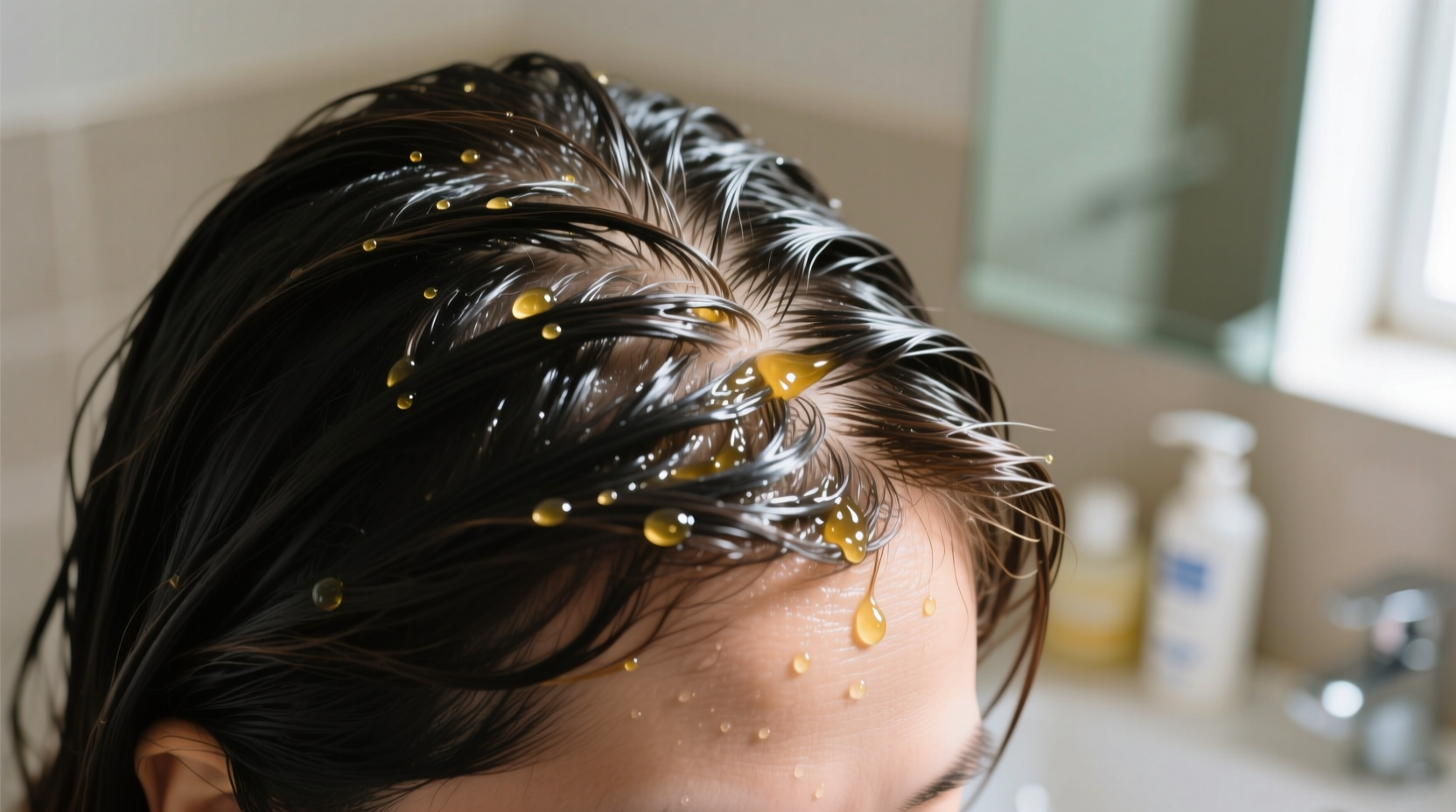
Sebum is an oily substance composed of lipids, wax esters, and squalene, secreted by sebaceous glands attached to hair follicles. Its primary role is to coat the hair shaft and scalp, preventing moisture loss and protecting against environmental stressors. Under normal conditions, sebum travels down the hair from the roots to the ends, maintaining hydration without causing buildup.
However, some individuals naturally produce more sebum due to genetic predisposition or hormonal fluctuations. Androgens like testosterone stimulate sebum production, which explains why oily scalps are more common during puberty, pregnancy, or periods of high stress. Additionally, certain medical conditions such as polycystic ovary syndrome (PCOS) or hormonal imbalances can increase oil output significantly.
“Sebum regulation is influenced by both biology and behavior. While genetics play a role, daily routines often accelerate perceived oiliness.” — Dr. Lena Torres, Dermatologist & Hair Health Specialist
Common Causes of One-Day Greasiness
Greasy hair after just one day isn’t always about overactive glands. Often, it's a combination of lifestyle choices, product misuse, and physiological responses. Here are the top contributors:
- Overwashing: Washing too frequently strips the scalp of natural oils, prompting it to compensate by producing even more sebum.
- Using harsh shampoos: Sulfate-rich cleansers may remove oil aggressively but disrupt the scalp’s pH balance, leading to rebound oiliness.
- Conditioner misapplication: Applying conditioner directly to the scalp or roots adds unnecessary moisture and weight, amplifying greasiness.
- Touching hair frequently: Hands transfer dirt, sweat, and natural skin oils to the hair, accelerating buildup.
- Dietary factors: High-glycemic foods and dairy have been linked to increased sebum production in some studies.
- Heat styling tools: Regular blow-drying or flat ironing can irritate the scalp and alter oil distribution.
- Infrequent brushing: Not brushing enough prevents even sebum distribution, leaving roots overloaded while ends stay dry.
Step-by-Step Guide to Reduce Greasiness
Fixing greasy hair requires consistency and a strategic approach. Follow this seven-day timeline to reset your scalp’s oil balance:
- Day 1: Assess Your Routine
Take inventory of all hair products you use — shampoo, conditioner, stylers, dry shampoo. Note ingredients like sulfates, silicones, and oils. Eliminate any heavy creams or oil-based serums applied near the roots. - Day 2: Wash Correctly
Use a gentle, sulfate-free shampoo. Focus lathering only on the scalp, not the lengths. Rinse thoroughly with lukewarm water — hot water increases oil production. - Day 3–4: Skip Washing
Let your scalp adapt. Use a boar bristle brush to distribute natural oils from roots to ends. This helps condition dry mid-lengths and signals the scalp to slow sebum production. - Day 5: Deep Clean (Optional)
If buildup persists, use a clarifying shampoo once a week. These remove residue from products and hard water minerals without stripping excessively. - Day 6–7: Introduce Balancing Products
Switch to a lightweight, volumizing conditioner used only on the ends. Consider a scalp toner with witch hazel or salicylic acid to gently exfoliate and control oil.
After one week, reassess. Most people notice improved texture and longer time between washes. Continue refining based on results.
Do’s and Don’ts: Hair Care Habits That Matter
| Do | Don’t |
|---|---|
| Wash every 2–3 days to allow natural oil regulation | Shampoo daily unless prescribed by a dermatologist |
| Apply conditioner only from ears down | Rub conditioner into the scalp or roots |
| Use a microfiber towel or cotton T-shirt to dry hair gently | Rough-dry with a regular terrycloth towel (causes frizz and irritation) |
| Brush hair daily with a natural bristle brush | Use plastic combs that generate static and uneven oil spread |
| Try dry shampoo between washes (on clean, dry hair) | Use dry shampoo on dirty, unwashed hair — it creates paste-like buildup |
Mini Case Study: Sarah’s Journey to Less Greasy Hair
Sarah, a 28-year-old graphic designer, washed her fine, straight hair every morning before work. By lunchtime, her roots were slick and flat. Frustrated, she tried stronger shampoos and dry shampoos multiple times a day, but the problem worsened.
After consulting a trichologist, she learned her routine was backfiring. Daily washing with a clarifying shampoo had disrupted her scalp’s moisture barrier, triggering excess oil. She also applied leave-in conditioner too close to her roots and touched her hair constantly while working.
Her new plan included washing every other day with a gentle formula, using conditioner only on the ends, and switching to a boar bristle brush. Within three weeks, she could go two full days without washing. Six weeks in, her hair stayed fresh for nearly three days. The key wasn’t fighting oil — it was teaching her scalp to balance it.
Tips for Immediate Relief and Long-Term Balance
- Choose the right shampoo: Look for keywords like “balancing,” “volumizing,” or “for oily hair.” Ingredients like tea tree oil, niacinamide, or charcoal can help regulate sebum.
- Limit heat exposure: Blow dryers and straighteners heat the scalp, stimulating oil glands. Air-dry when possible and use cool settings if needed.
- Be mindful of hats and helmets: Wearing headgear traps heat and sweat, increasing oil production. Clean liners regularly and give your scalp breaks.
- Stay hydrated: Dehydrated skin prompts compensatory oil production. Drink plenty of water throughout the day.
- Consider supplements: Omega-3 fatty acids and zinc support healthy skin and scalp function. Consult a doctor before starting any regimen.
FAQ: Common Questions About Greasy Hair
Can dandruff cause greasy hair?
Yes. Some forms of dandruff, especially seborrheic dermatitis, are linked to oily scalps. This condition causes flaking along with redness and excessive oil due to yeast overgrowth (Malassezia) feeding on sebum. Medicated shampoos with ketoconazole, selenium sulfide, or pyrithione zinc can help manage both symptoms.
Is it bad to never wash greasy hair?
Avoiding washing entirely isn’t recommended. While infrequent washing can regulate oil, prolonged neglect leads to clogged follicles, odor, and potential scalp infections. Aim for a sustainable rhythm — typically every 2 to 4 days — based on your hair type and lifestyle.
Does drinking more water reduce oily hair?
Indirectly, yes. Proper hydration supports overall skin health and helps maintain a balanced sebum-to-moisture ratio. Dehydration can trick the body into overproducing oil to compensate for lack of surface moisture.
Checklist: Troubleshooting Your Greasy Hair Routine
Use this checklist to identify and correct issues in your current hair care approach:
- ☐ I wash my hair less than once per day (ideally every 2–3 days)
- ☐ My shampoo is sulfate-free and formulated for oily or balanced hair
- ☐ I apply conditioner only to the mid-lengths and ends, never the scalp
- ☐ I avoid touching my hair throughout the day
- ☐ I use minimal styling products near the roots
- ☐ I brush my hair daily with a natural bristle brush
- ☐ I rinse with lukewarm (not hot) water
- ☐ I limit heat styling and protect my scalp from excess friction
- ☐ I evaluate my diet for potential triggers (e.g., high sugar, dairy)
- ☐ I see a dermatologist if greasiness persists despite changes
When to Seek Professional Help
If you’ve adjusted your routine for six weeks with no improvement, it may be time to consult a dermatologist or trichologist. Persistent greasiness could indicate underlying conditions such as:
- Seborrheic dermatitis – Inflammatory skin condition causing oily, flaky patches.
- Hormonal disorders – PCOS, thyroid dysfunction, or adrenal imbalances often manifest through scalp and hair changes.
- Fungal overgrowth – Malassezia yeast thrives on sebum and can exacerbate oiliness and itching.
A professional can perform tests, recommend medicated treatments, or adjust your skincare regimen holistically.
Conclusion
Greasy hair one day after washing doesn’t mean you’re doing everything wrong — it means your scalp is sending signals about imbalance. Whether driven by over-cleansing, product misuse, or biological factors, the solution lies in understanding and responding with care, not aggression. By adjusting your washing frequency, choosing better products, and adopting smarter habits, you can extend freshness and improve hair health over time.




 浙公网安备
33010002000092号
浙公网安备
33010002000092号 浙B2-20120091-4
Comments
No comments yet. Why don't you start the discussion?