
Hair thinning affects millions of people worldwide, regardless of age or gender. While shedding up to 100 hairs a day is normal, noticeable thinning—especially in patches or across the scalp—can be distressing. The good news: most causes are manageable, and many solutions exist to restore thickness and vitality. Understanding the root causes is the first step toward effective intervention.
Common Causes of Hair Thinning
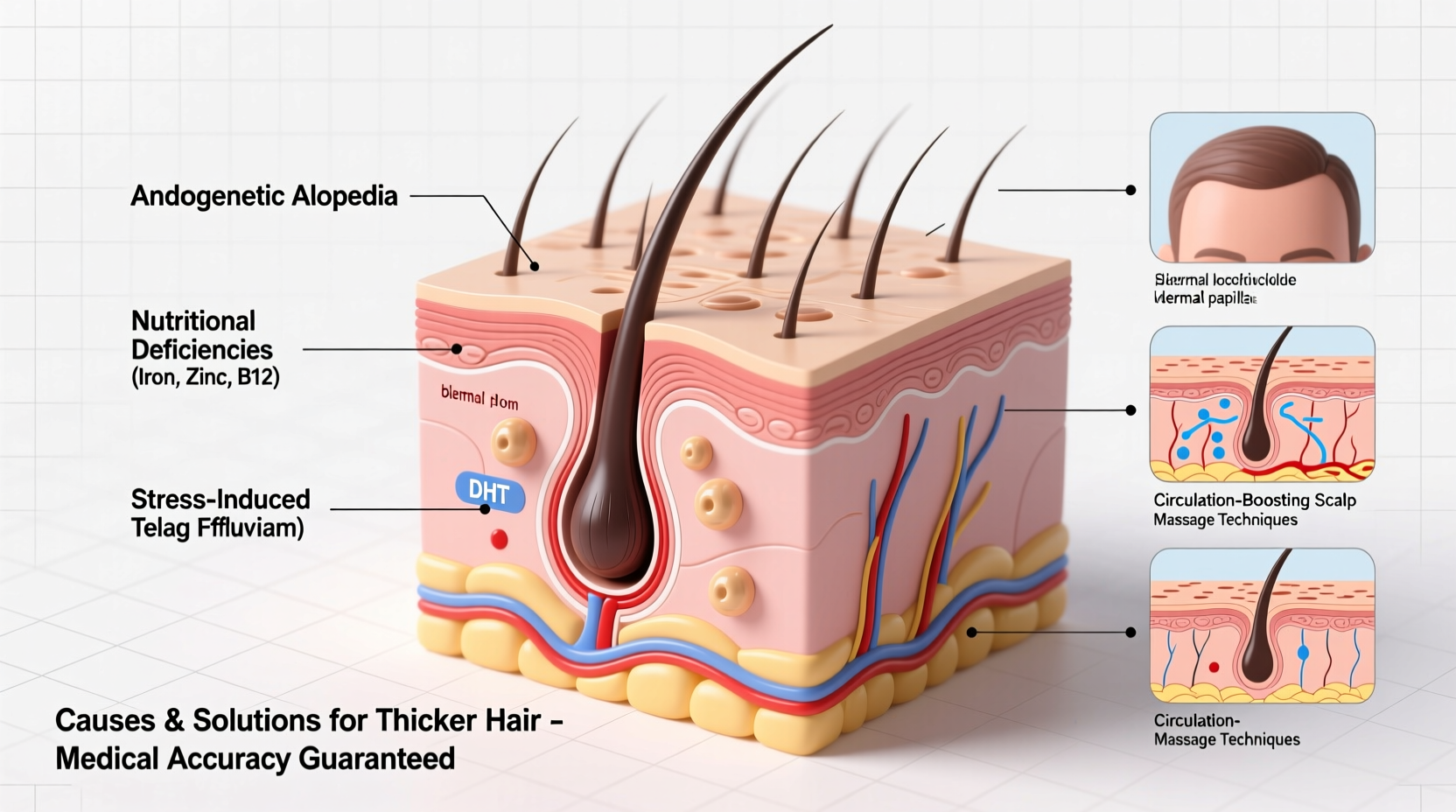
Hair thinning rarely has a single cause. It’s often the result of overlapping factors ranging from genetics to lifestyle. Identifying what’s behind your hair loss can help tailor a solution that works.
- Genetics (Androgenetic Alopecia): The most common cause, affecting both men and women. This condition shrinks hair follicles over time, leading to finer, shorter hairs until growth stops.
- Hormonal Changes: Pregnancy, menopause, thyroid disorders, and conditions like PCOS can disrupt hormone balance, triggering hair loss.
- Nutritional Deficiencies: Low iron, vitamin D, zinc, biotin, and protein intake are strongly linked to hair thinning.
- Stress (Telogen Effluvium): Severe physical or emotional stress can push large numbers of hair follicles into a resting phase, causing sudden shedding months later.
- Medical Conditions: Autoimmune diseases like alopecia areata, scalp infections, or chronic illnesses such as lupus can lead to hair loss.
- Medications: Chemotherapy, antidepressants, blood thinners, and some acne medications list hair loss as a side effect.
- Poor Hair Care Habits: Overuse of heat styling, tight hairstyles, chemical treatments, and harsh shampoos can damage hair and weaken roots.
How to Make Your Hair Thicker: Science-Backed Strategies
While you can’t reverse genetic predispositions overnight, you can create an environment where hair grows stronger and fuller. A multi-pronged approach yields the best results.
1. Optimize Your Diet for Hair Growth
Your hair is made mostly of keratin, a protein. Without adequate nutrients, hair becomes brittle and growth slows.
“Hair is a reflection of internal health. Nutrient deficiencies show up in the scalp long before other symptoms appear.” — Dr. Lena Patel, Dermatologist & Trichology Specialist
| Nutrient | Role in Hair Health | Best Food Sources |
|---|---|---|
| Iron | Supports oxygen delivery to follicles | Spinach, lentils, red meat, tofu |
| Vitamin D | Stimulates new follicle formation | Fatty fish, fortified dairy, sunlight |
| Zinc | Maintains oil gland function around follicles | Pumpkin seeds, shellfish, chickpeas |
| Biotin (B7) | Aids keratin production | Eggs, almonds, sweet potatoes |
| Omega-3 Fatty Acids | Reduces inflammation, supports scalp health | Salmon, chia seeds, walnuts |
2. Use Clinically Proven Topical Treatments
Certain topical products have been rigorously tested and approved for promoting hair regrowth.
- Minoxidil (Rogaine): FDA-approved for both men and women. Applied daily to the scalp, it increases blood flow to follicles and extends the growth phase.
- Ketoconazole Shampoo: An antifungal with anti-inflammatory properties. Studies show it reduces scalp DHT (a hormone linked to thinning) and improves hair density.
- Caffeine-Based Serums: Emerging research suggests caffeine can counteract DHT and stimulate follicle activity when applied directly.
Step-by-Step Guide to Restoring Hair Thickness
Reversing thinning isn’t instant, but following a structured plan increases your chances of success.
- Consult a Professional: See a dermatologist or trichologist to rule out medical causes like thyroid issues or alopecia.
- Get Blood Work Done: Test for iron (ferritin), vitamin D, B12, TSH, and hormone levels.
- Adjust Your Diet: Incorporate nutrient-dense foods or consider supplements under medical guidance.
- Start a Treatment Regimen: Begin using minoxidil or ketoconazole shampoo as directed.
- Revise Hair Care Routine: Eliminate heat tools, tight ponytails, and sulfates. Wash every 2–3 days with a gentle shampoo.
- Monitor Progress Monthly: Take photos under consistent lighting to track subtle changes.
- Reassess at 6 Months: If no improvement, discuss prescription options like spironolactone (for women) or finasteride (for men).
Real-Life Example: Maria’s Journey to Thicker Hair
Maria, a 38-year-old teacher, noticed her ponytail shrinking after childbirth. At first, she dismissed it as postpartum shedding, but nine months later, her part was visibly wider. She visited a dermatologist who ordered blood tests revealing low ferritin (iron stores) and borderline vitamin D.
After starting iron supplements, increasing her intake of leafy greens and fatty fish, and applying minoxidil twice daily, Maria saw improvement within four months. By month six, her hair felt denser, and friends commented on its shine. “I didn’t realize how much nutrition mattered,” she said. “Now I treat my hair like a barometer for my overall health.”
Do’s and Don’ts for Preventing Further Thinning
| Do | Don't |
|---|---|
| Use a wide-tooth comb on wet hair | Brush aggressively when hair is damp |
| Protect hair from UV exposure | Spend hours in the sun without coverage |
| Choose loose hairstyles | Wear tight braids or buns daily |
| Take a balanced multivitamin if deficient | Over-supplement without testing |
| Massage scalp 5 minutes daily | Scratch scalp with nails frequently |
FAQ: Common Questions About Hair Thinning
Can stress really cause permanent hair loss?
Acute stress leads to temporary shedding (telogen effluvium), which usually resolves within 6–9 months once the stressor is removed. However, chronic stress combined with poor habits can prolong thinning and delay recovery.
Are hair growth supplements worth taking?
Only if you have a deficiency. Supplements like biotin help those who lack them, but excess intake won’t accelerate growth in well-nourished individuals. Always consult a doctor before starting any supplement.
Will cutting my hair make it grow thicker?
No. Haircutting only affects the ends. It can improve appearance by removing split ends, making hair look healthier, but it doesn’t influence follicle strength or growth rate.
Action Plan Checklist
Use this checklist to take control of your hair health:
- ☐ Schedule a dermatology appointment
- ☐ Request blood tests for iron, vitamin D, and thyroid function
- ☐ Add protein-rich and iron-rich foods to daily meals
- ☐ Start using a 5% minoxidil solution (once approved by a doctor)
- ☐ Switch to a sulfate-free, gentle shampoo
- ☐ Practice weekly scalp massages
- ☐ Avoid tight hairstyles and excessive heat styling
- ☐ Take progress photos monthly
Final Thoughts: Take Charge of Your Hair Health
Hair thinning is not a life sentence. With early action and informed choices, most people can slow, stop, or even reverse the process. The key is to treat your hair not just as a cosmetic feature, but as a vital sign of your body’s inner balance. Whether through better nutrition, targeted treatments, or lifestyle adjustments, every small step contributes to stronger, fuller hair.




 浙公网安备
33010002000092号
浙公网安备
33010002000092号 浙B2-20120091-4
Comments
No comments yet. Why don't you start the discussion?