
Hamsters are naturally energetic creatures, and seeing them sprint on their wheels is a common sight for pet owners. But when the running seems endless—hour after hour, night after night—it’s natural to wonder: Is this normal? Could my hamster be stressed? While some wheel use is essential for physical and mental health, excessive or compulsive running can signal underlying issues. Understanding the fine line between healthy exercise and problematic behavior is key to ensuring your hamster thrives.
Hamsters are crepuscular, meaning they’re most active during dawn and dusk. In the wild, they cover miles each night foraging, exploring, and evading predators. Captivity limits that range dramatically, so a wheel becomes a vital outlet. However, not all running is created equal. The context—duration, timing, environment, and accompanying behaviors—determines whether the activity supports well-being or indicates distress.
The Science Behind Hamster Wheel Running
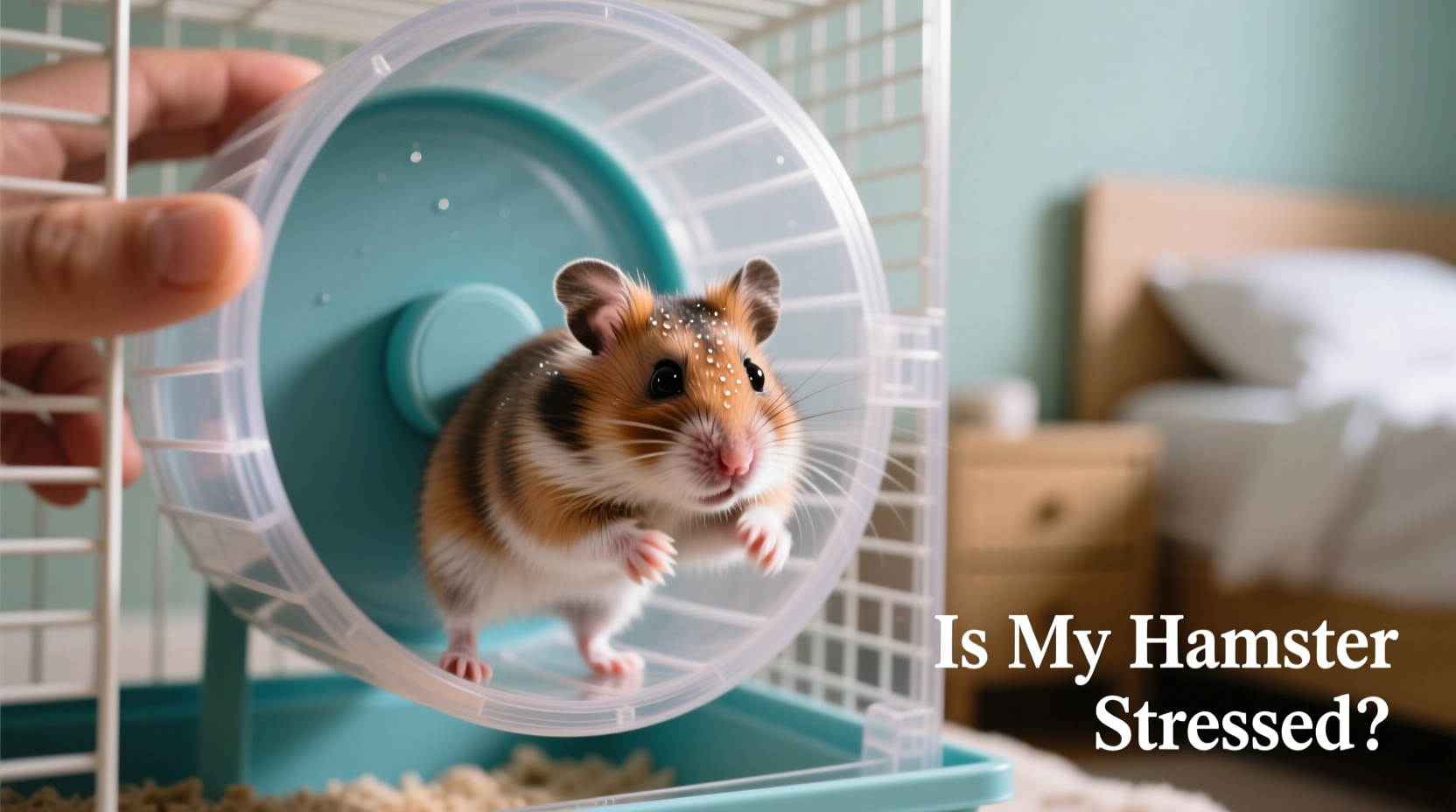
Running is deeply ingrained in a hamster’s biology. Studies show that hamsters in captivity will voluntarily run several kilometers per night when given access to a wheel. This isn’t just instinct—it serves real physiological and psychological purposes. Exercise stimulates neurogenesis (the growth of new brain cells), helps regulate circadian rhythms, and reduces anxiety-like behaviors.
Research from the University of California, Davis, found that Syrian hamsters with unrestricted wheel access showed lower cortisol levels—a stress hormone—than those without wheels. This suggests that moderate running can actually reduce stress. However, the same study noted that when environmental enrichment is lacking, hamsters may develop stereotypic behaviors, including repetitive, purposeless wheel running.
“Wheel running is a double-edged sword. It’s one of the best tools we have for promoting hamster welfare, but when it becomes compulsive, it’s a red flag.” — Dr. Laura Brown, Small Mammal Behavior Specialist
Stereotypic behaviors in animals are repetitive, invariant actions with no obvious goal. In hamsters, this might look like continuous wheel spinning even when exhausted, or running in short bursts followed by immediate restarts without rest. These patterns often emerge in environments that fail to meet the animal’s behavioral needs.
Signs Your Hamster Might Be Stressed, Not Just Active
Distinguishing between healthy exercise and stress-induced overactivity requires careful observation. Consider the following indicators:
- Time of day: Hamsters should be active primarily at night. If your hamster runs constantly during daylight hours while you're awake, it may be responding to noise, light, or disturbances.
- Duration: Occasional long runs are normal. But if your hamster runs for more than 6–8 hours straight with minimal breaks, it could be a concern.
- Physical condition: Check for signs of exhaustion—ruffled fur, lethargy when not running, weight loss, or sore feet.
- Behavioral cues: Does your hamster ignore food, avoid interaction, or display cage-bar chewing? These may accompany stress-related hyperactivity.
- Sleep patterns: A healthy hamster sleeps deeply between activity bursts. If it appears restless or only naps briefly, overstimulation or stress may be present.
Common Causes of Excessive Wheel Running
Not all nonstop running stems from stress, but several environmental and husbandry factors can contribute to unhealthy patterns:
- Inadequate cage size: The minimum recommended cage size is 450 square inches of uninterrupted floor space. Smaller cages restrict natural behaviors, making the wheel the only outlet.
- Lack of enrichment: Without tunnels, chew toys, digging substrates, or foraging opportunities, hamsters may resort to repetitive wheel use out of boredom.
- Poor wheel design: Wire mesh wheels or wheels that are too small cause discomfort and encourage inefficient, high-repetition strides.
- Noise and light pollution: TVs, loud music, or bright lights at night can disrupt sleep cycles, leading to erratic activity patterns.
- Overheating: Hamsters become agitated in temperatures above 75°F (24°C). Heat stress can manifest as frantic movement, including wheel running.
- Social isolation (in social species): While most hamsters are solitary, dwarf species may benefit from same-species companionship under proper conditions. Loneliness can increase anxiety.
Mini Case Study: Luna the Overactive Roborovski
Luna, a 10-month-old Roborovski hamster, was brought to a small mammal vet clinic by her owner, who reported she ran “all night, every night” and seemed “wired.” Initial assessment revealed a 2-gallon tank with a wire wheel, sawdust bedding, and no hiding places. The cage sat near a window where streetlights shone in at night.
After moving Luna to a 60x40cm enclosure with a solid-surface 8-inch wheel, deep bedding, cardboard tubes, and a ceramic hideout, her running decreased by nearly 40% within a week. Her owner also installed blackout curtains. Follow-up observations showed longer rest periods and increased exploration outside the wheel. This case highlights how environment directly influences activity patterns.
Do’s and Don’ts of Hamster Wheel Management
| Do’s | Don’ts |
|---|---|
| Provide a solid, silent wheel (minimum 8 inches for Syrians, 6.5 for dwarfs) | Use wire or mesh wheels—they can injure feet and cause bumblefoot |
| Place the wheel in a quiet corner away from drafts and light sources | Put the wheel directly under a lamp or near noisy appliances |
| Allow free access to the wheel at all times—hamsters self-regulate | Remove the wheel at night or restrict usage |
| Combine wheel access with daily enrichment (digging boxes, puzzle feeders) | Rely solely on the wheel for mental stimulation |
| Clean the wheel weekly with mild soap and water | Use harsh disinfectants that leave chemical residues |
Step-by-Step Guide to Reducing Compulsive Wheel Running
If you suspect your hamster is overrunning due to stress or environmental deficits, follow this structured approach:
- Assess current setup: Measure cage size, check wheel type, and evaluate enrichment. Note noise/light exposure during nighttime hours.
- Upgrade housing: Move to a larger, deeper enclosure (e.g., a modified storage bin or glass tank) with at least 12 inches of bedding for burrowing.
- Install a better wheel: Choose a wide, solid plastic wheel with a centered hub. Test for stability—no wobbling or squeaking.
- Add enrichment: Introduce a digging box filled with shredded paper, cardboard mazes, chew sticks, and scatter food instead of using a bowl.
- Optimize environment: Keep the cage in a quiet, dimly lit room at night. Maintain temperatures between 65–75°F (18–24°C).
- Monitor changes: Track running duration and behavior shifts over two weeks. Look for increased resting, grooming, and exploratory activity.
- Consult a vet if needed: If running persists alongside weight loss, aggression, or self-injury, seek advice from an exotic veterinarian.
FAQ: Common Questions About Hamster Wheel Behavior
Is it bad if my hamster runs all night?
Not necessarily. Hamsters are nocturnal, so nighttime running is normal. What matters is balance. If your hamster eats, grooms, sleeps between runs, and appears healthy, the activity is likely beneficial. Concern arises when running dominates all waking time or is accompanied by poor body condition.
Should I get a bigger wheel if my hamster arches its back while running?
Yes. Back arching is a clear sign the wheel is too small. For Syrian hamsters, use a wheel with a diameter of at least 8 inches; for dwarf species, 6.5 inches is the minimum. A properly sized wheel allows the spine to remain straight during motion, preventing long-term musculoskeletal strain.
Can I stop my hamster from running so much by removing the wheel?
No. Removing the wheel can increase stress and lead to other stereotypic behaviors like bar chewing or pacing. Instead, improve the environment to promote balanced activity. Depriving a hamster of exercise worsens mental health and can shorten lifespan.
Conclusion: Balancing Activity and Well-Being
Nonstop wheel running in hamsters isn't automatically a sign of stress—but it shouldn’t be dismissed either. The key lies in context. Healthy running is part of a diverse behavioral repertoire that includes eating, grooming, exploring, and resting. When running becomes the sole focus, it often reflects an unmet need in the hamster’s environment.
By providing adequate space, appropriate equipment, and rich daily stimulation, you create conditions where your hamster can choose variety over repetition. A well-enriched habitat doesn’t eliminate wheel use; it makes it one of many satisfying options. Observing subtle shifts in behavior, responding with empathy, and making informed adjustments can transform anxious overactivity into joyful, balanced energy.




 浙公网安备
33010002000092号
浙公网安备
33010002000092号 浙B2-20120091-4
Comments
No comments yet. Why don't you start the discussion?