
It’s common for hamster owners to wake up in the middle of the night to the rhythmic squeak of a spinning exercise wheel, only to find their tiny companion still running with relentless energy. While it might seem concerning—especially when your hamster appears to be moving nonstop for hours—this behavior is often more natural than alarming. Hamsters are naturally nocturnal and highly active animals, and their instinct to run serves both physical and psychological purposes. But where do you draw the line between a healthy habit and an obsessive one? Understanding the nuances behind your hamster’s activity can help ensure its long-term health and happiness.
The Natural Behavior Behind Hamster Running
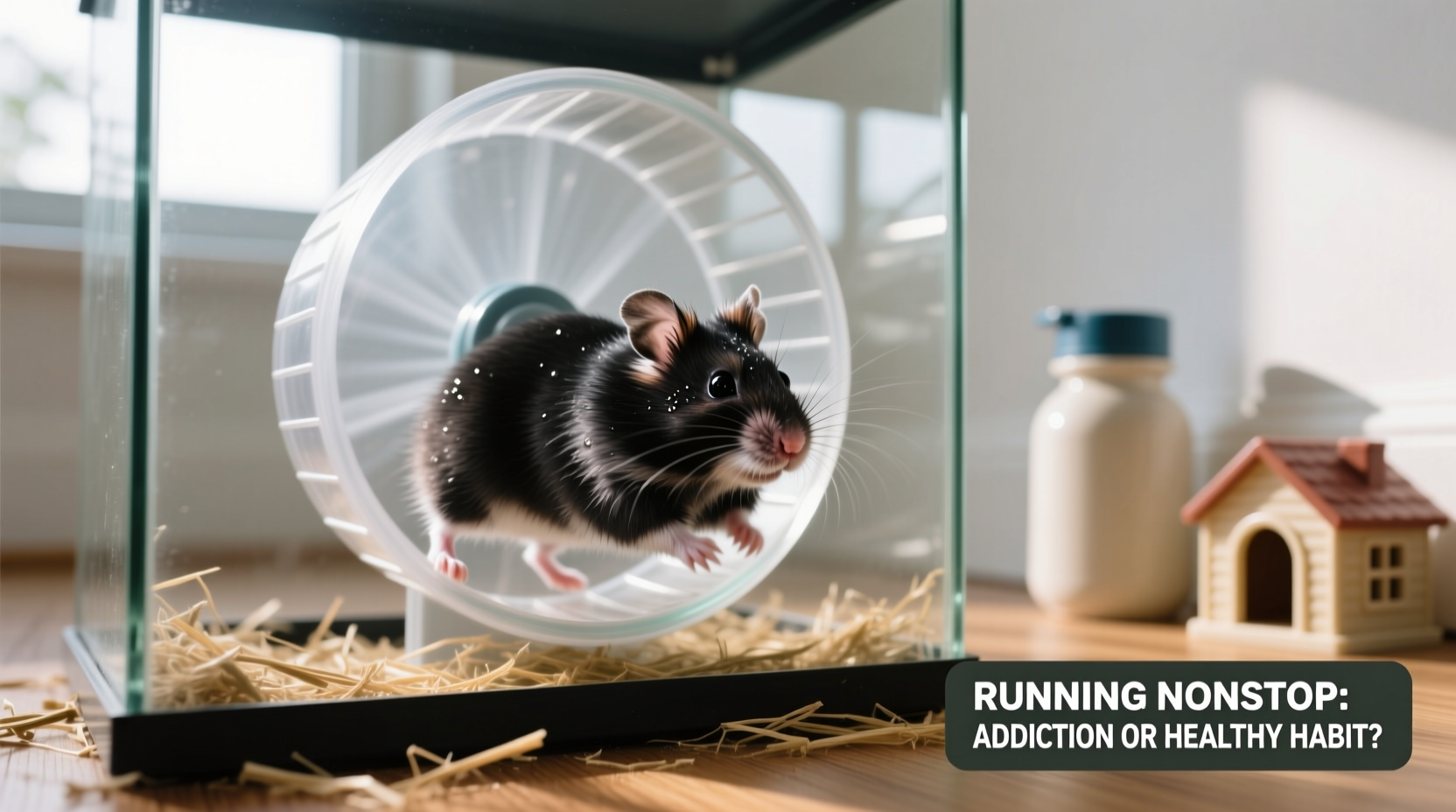
Hamsters originate from arid, open regions such as the deserts of Syria and parts of China, where they evolved to cover significant distances each night in search of food, water, and shelter. In the wild, a single hamster may travel up to 5–9 kilometers (3–6 miles) per night. This ingrained survival mechanism doesn’t disappear in captivity—it simply adapts. The exercise wheel becomes a substitute for that nightly journey, allowing them to fulfill their biological need for movement.
Running helps regulate their metabolism, supports cardiovascular health, and reduces stress. For many hamsters, especially Syrian and dwarf species, the wheel isn’t just a toy—it’s a necessity. Without adequate outlets for energy, hamsters can become lethargic, overweight, or develop behavioral issues like bar-chewing or excessive digging.
Signs of Healthy vs. Unhealthy Wheel Use
While regular wheel use is normal, certain patterns may indicate compulsive behavior or environmental stressors. It’s essential to observe not just how much your hamster runs, but also *how* and *when* it does so.
A healthy runner will:
- Take regular breaks to eat, drink, and groom
- Alternate between running and other activities (nesting, exploring, resting)
- Have smooth, coordinated movements without limping or favoring limbs
- Sleep during daylight hours (since they’re nocturnal)
In contrast, signs of potential overuse or distress include:
- Running for several consecutive hours without stopping
- Continuing to run despite visible fatigue or injury
- Displaying repetitive behaviors outside the wheel, such as circling or pacing
- Refusing to leave the wheel even when food is available
“Hamsters thrive on routine and stimulation. A wheel is vital, but if used obsessively, it may signal unmet needs like lack of enrichment or social interaction.” — Dr. Lena Torres, Exotic Animal Veterinarian
Is It Addiction—or Just Instinct?
The term “wheel addiction” is frequently used by concerned owners, but veterinary experts caution against applying human psychological labels too freely. True behavioral addiction—marked by compulsion despite negative consequences—is rare in rodents and difficult to diagnose. What looks like addiction is often a combination of natural instinct, limited space, and insufficient mental stimulation.
Consider this: in a cage measuring just 24x12 inches, a hamster has less than 1% of the territory it would roam in the wild. The wheel becomes the primary outlet for movement, making high usage inevitable. Rather than labeling the behavior as “addictive,” it’s more accurate to view it as a coping mechanism for confinement.
That said, environment plays a crucial role. A hamster in a barren enclosure with no tunnels, chew toys, or foraging opportunities will default to the most stimulating object—the wheel. Over time, this can create a feedback loop: the more it runs, the more it craves stimulation, leading to longer sessions.
Real Example: Luna the Overrunner
Luna, a 10-month-old female Syrian hamster, was brought to a small animal clinic after her owner noticed she ran for up to 14 hours straight. Initial exams revealed no physical injury, but the vet observed that Luna’s cage contained only a wheel, a food bowl, and a basic hideout. After enriching her environment with paper towel tubes, cardboard mazes, and daily scatter-feeding of seeds, Luna’s wheel time decreased by nearly 40% within two weeks. She began spending more time exploring and burrowing. Her owner reported improved sleep patterns and increased interaction during evening handling.
This case illustrates that while the wheel itself isn’t harmful, imbalanced environments can lead to disproportionate reliance on it.
How to Promote Balanced Activity
The goal isn’t to eliminate wheel use—but to encourage variety in your hamster’s daily routine. A mentally and physically fulfilled hamster will naturally cycle through different behaviors throughout the night.
Step-by-Step Guide to a Healthier Hamster Routine
- Assess Cage Size and Layout: Ensure your hamster has at least 450 square inches of floor space. Larger cages reduce territorial stress and allow for multiple activity zones.
- Add Enrichment Items: Introduce tunnels, dig boxes filled with safe bedding, chew toys, and climbing structures. Rotate items weekly to maintain novelty.
- Encourage Foraging: Scatter food across the cage instead of using a bowl. Hide treats in toilet paper rolls or under coconut shells to stimulate natural hunting behavior.
- Provide Out-of-Cage Playtime: Supervised exploration in a secure area (e.g., playpen or hamster-safe room) offers new sensory input and reduces monotony.
- Monitor Wheel Usage Patterns: Use a simple log to track approximate running duration over several nights. Sudden increases may signal stress or boredom.
Choosing the Right Wheel: A Comparison Table
| Wheel Type | Best For | Pros | Cons |
|---|---|---|---|
| Solid Plastic (e.g., Wodent Wheel) | All breeds, especially Syrians | Safe surface, quiet, durable | More expensive, bulkier |
| Metal Wire/Mesh | Not recommended | Cheap, widely available | Risk of bumblefoot, toe injuries |
| Exercise Balls | Supervised short-term use | Allows exploration | Overheating risk, disorientation |
| DIY Wheels (e.g., PVC) | Budget-conscious owners | Customizable size | Potential sharp edges, less stable |
Note: Avoid exercise balls for extended periods. They restrict natural behaviors like scent marking and can cause stress due to lack of visibility.
Common Misconceptions About Hamster Running
Several myths persist about hamster wheel use, often leading to unnecessary worry or inappropriate interventions.
- Myth: “If my hamster runs all night, it must be stressed.”
Reality: Nocturnal activity is normal. Stress manifests through aggression, over-grooming, or refusal to eat—not running alone. - Myth: “I should remove the wheel to make it stop.”
Reality: Removing the wheel can increase anxiety and lead to obesity or depression. Instead, enhance the environment. - Myth: “Dwarf hamsters don’t need wheels.”
Reality: All hamster species benefit from wheels. Dwarf breeds like Campbell’s and Winter Whites are especially energetic.
When to Seek Veterinary Advice
Occasional marathon running sessions aren’t cause for alarm. However, consult a veterinarian if you notice any of the following:
- Limping, swelling, or bleeding on the feet (possible bumblefoot)
- Fur loss on shoulders or hips (from constant friction)
- Obsessive running combined with weight loss or dehydration
- Seizure-like episodes after prolonged activity
Some neurological conditions or spinal issues can manifest as abnormal locomotion. Early diagnosis improves outcomes significantly.
Frequently Asked Questions
How many miles does a hamster run in a night?
On average, a hamster can run between 5 to 9 miles (8–14 km) per night. This varies by breed, age, and individual temperament. Younger hamsters tend to cover more ground than older ones.
Should I limit my hamster’s wheel time?
No. Limiting access can lead to frustration and health problems. Instead, focus on diversifying activities. If you're concerned about noise, switch to a quieter wheel model rather than removing it.
Can hamsters die from running too much?
There is no documented evidence of hamsters dying solely from running. However, underlying health issues—such as heart defects or infections—can be exacerbated by extreme exertion. Monitor for signs of distress and ensure regular vet checkups.
Action Checklist: Supporting a Balanced Lifestyle
- ✅ Provide a solid-surface wheel appropriate for your hamster’s size
- ✅ Expand cage space to meet minimum recommendations (ideally 24x12 inches for dwarfs, larger for Syrians)
- ✅ Add at least three types of enrichment (tunnels, chew toys, foraging games)
- ✅ Scatter food daily to encourage natural foraging
- ✅ Schedule weekly out-of-cage play sessions (10–15 minutes, supervised)
- ✅ Observe behavior patterns for sudden changes in activity levels
- ✅ Schedule annual wellness exams with an exotic pet vet
Conclusion: Balance Is Key
Your hamster’s nonstop wheel running is likely a reflection of its natural instincts rather than a sign of distress. With proper care, this behavior can remain a healthy part of its routine. The key lies in balance—ensuring that physical activity is complemented by mental stimulation, environmental variety, and attentive observation. By creating a habitat that mimics the complexity of the wild, you empower your hamster to make choices beyond the wheel. A fulfilled hamster isn’t one that stops running, but one that knows when to rest, explore, and play.




 浙公网安备
33010002000092号
浙公网安备
33010002000092号 浙B2-20120091-4
Comments
No comments yet. Why don't you start the discussion?