
A tingling sensation in the head—often described as pins and needles, numbness, or a crawling feeling on the scalp—can be unsettling. Unlike tingling in hands or feet, head paresthesia is less commonly discussed but no less significant. While it’s often harmless and temporary, persistent or recurring tingling may point to underlying neurological, vascular, or psychological conditions. Understanding the potential causes and knowing when to act can help prevent complications and ease anxiety.
Common Causes of Head Tingling
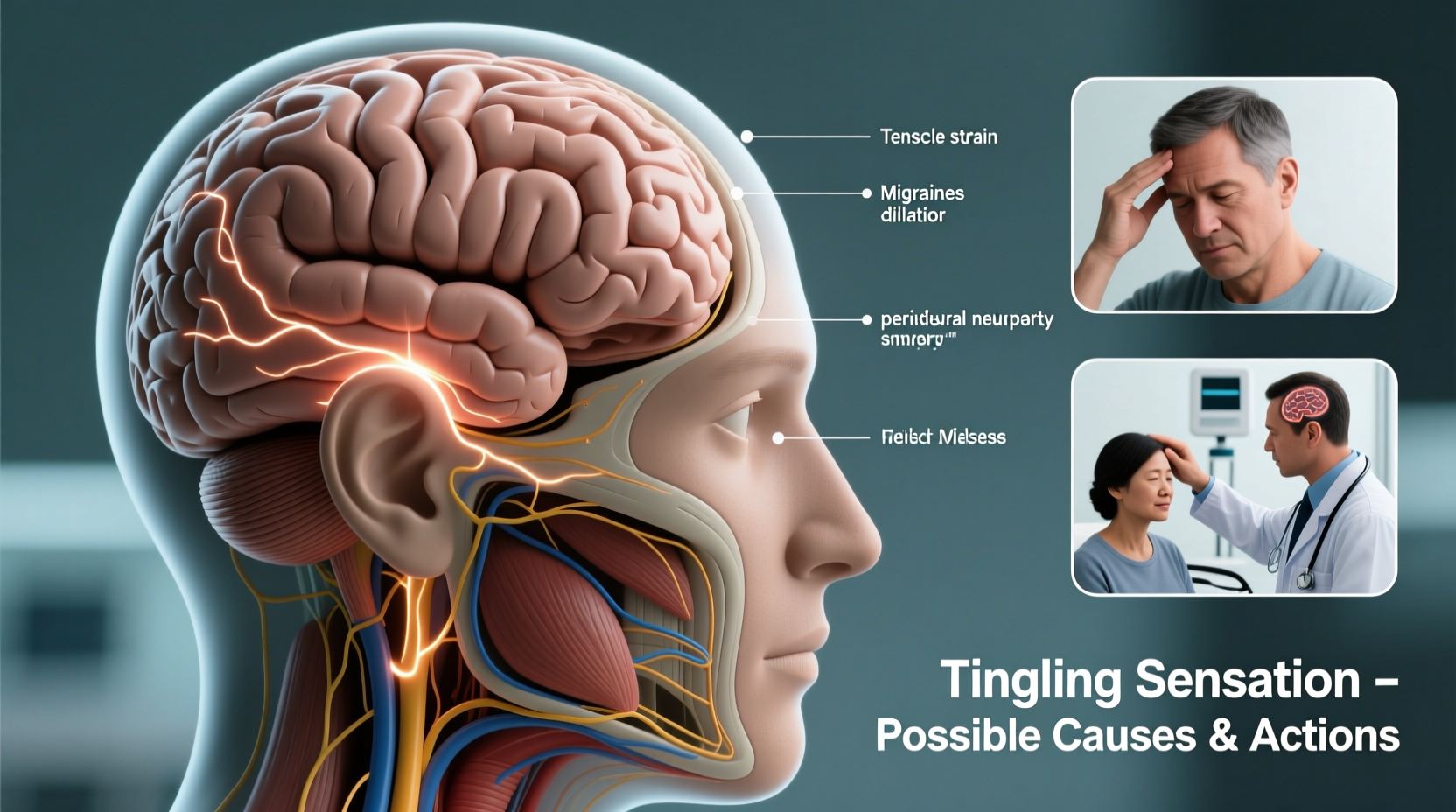
Tingling in the head can stem from a variety of sources, ranging from benign to more serious medical issues. Most cases are related to nerve activity, blood flow, or muscle tension.
- Nerve Compression or Irritation: The occipital nerves, which run from the top of the spinal cord to the scalp, can become compressed due to poor posture, tight neck muscles, or injury. This condition, known as occipital neuralgia, often causes sharp pain and tingling at the back of the head.
- Anxiety and Hyperventilation: During periods of intense stress or panic attacks, rapid breathing alters blood pH and reduces carbon dioxide levels. This shift can lead to tingling sensations in the face, scalp, and extremities.
- Migraines and Aura: Some people experience sensory disturbances before or during migraines. These aura symptoms may include visual changes, speech difficulties, and head tingling.
- Allergic Reactions: Certain hair products, shampoos, or dyes can irritate the scalp, leading to localized tingling or burning. Contact dermatitis may also cause redness and itching.
- Medication Side Effects: Drugs such as chemotherapy agents, anticonvulsants, or antibiotics may have neurotoxic effects that manifest as paresthesia.
When Tingling Signals a Serious Condition
While occasional tingling is usually not dangerous, certain patterns demand prompt medical evaluation. Neurological events like stroke or multiple sclerosis (MS) can present with unusual sensory symptoms.
“Paresthesia without an obvious trigger—especially if it’s one-sided or accompanied by weakness—should never be ignored. Early intervention can be life-saving.” — Dr. Lena Torres, Neurologist, Cleveland Clinic
Red-flag symptoms include:
- Sudden onset of tingling on one side of the head or face
- Slurred speech, confusion, or vision changes
- Loss of balance or coordination
- Weakness in arms or legs
- Recent head or neck trauma
In such cases, immediate assessment for stroke, brain tumor, or demyelinating disease like MS is crucial. A single symptom may not confirm a diagnosis, but combined with others, it raises concern.
Step-by-Step: What to Do When Your Head Starts Tingling
If you experience head tingling, follow this practical timeline to assess and respond appropriately:
- Pause and Observe (0–5 minutes): Stop what you’re doing. Note the location, intensity, and any associated symptoms (e.g., headache, dizziness).
- Check for Triggers (5–10 minutes): Recall recent activities—did you use a new shampoo? Are you under stress? Have you been sitting with poor posture?
- Practice Calming Breathing (if anxious): Breathe slowly into a paper bag if hyperventilating. This helps restore CO₂ balance and may reduce tingling within minutes.
- Monitor Duration: If symptoms resolve in under 30 minutes and don’t recur, they were likely benign. Keep a symptom journal.
- Seek Medical Help (within hours if severe): If tingling spreads, worsens, or is paired with neurological signs, go to the ER or call emergency services.
- Schedule a Follow-Up (within days): For recurring or unexplained episodes, consult a primary care physician or neurologist.
Do’s and Don’ts: Managing Head Tingling
| Do’s | Don’ts |
|---|---|
| Track symptoms in a journal (timing, triggers, duration) | Ignore sudden or worsening neurological symptoms |
| Use ergonomic support for neck and shoulders | Self-diagnose based on internet searches |
| Stay hydrated and maintain balanced electrolytes | Overuse stimulants like caffeine or nicotine |
| Practice stress-reduction techniques (meditation, yoga) | Discontinue prescribed medications without consulting a doctor |
Real Example: Sarah’s Experience with Occipital Neuralgia
Sarah, a 38-year-old graphic designer, began noticing a prickling sensation at the base of her skull after long days hunched over her laptop. At first, she dismissed it as fatigue. But when the tingling spread to her scalp and was followed by sharp, electric-like pains, she consulted a neurologist. After examination and imaging, she was diagnosed with occipital neuralgia caused by chronic neck strain. With physical therapy, posture correction, and occasional nerve blocks, her symptoms improved significantly within two months. Her case highlights how repetitive strain can mimic more alarming conditions—and why early professional evaluation matters.
Prevention and Daily Care Strategies
Many causes of head tingling are preventable with lifestyle adjustments. Focus on nervous system health and circulatory wellness.
- Improve Posture: Adjust your workstation so your monitor is at eye level and your chair supports your lower back. Take breaks every 30 minutes to stretch your neck and shoulders.
- Manage Stress: Chronic stress increases muscle tension and alters nerve signaling. Mindfulness meditation, deep breathing, and regular exercise help regulate the nervous system.
- Stay Hydrated and Eat Balanced Meals: Deficiencies in B vitamins (especially B12), magnesium, or potassium can contribute to nerve dysfunction. Include leafy greens, nuts, whole grains, and lean proteins in your diet.
- Avoid Scalp Irritants: Choose hypoallergenic hair products. Patch-test new items behind the ear before full application.
Frequently Asked Questions
Can high blood pressure cause tingling in the head?
High blood pressure itself rarely causes tingling. However, extremely elevated levels (hypertensive crisis) may lead to neurological symptoms including numbness, headache, or confusion. If you have very high BP and head tingling, seek urgent care.
Is head tingling a sign of a brain tumor?
It’s rare for a brain tumor to present only with tingling. More commonly, tumors cause progressive headaches, nausea, vision changes, seizures, or personality shifts. Still, any persistent neurological change warrants investigation.
Why does my head tingle when I lie down?
This could be due to positional nerve compression, reduced blood flow, or even anxiety-related hyperventilation at night. If it happens frequently, consider evaluating your pillow height and sleeping posture.
Conclusion: Listen to Your Body and Act Wisely
Tingling in the head is more than just a curiosity—it’s a signal from your nervous system. While most episodes are temporary and harmless, dismissing them entirely can mean missing an opportunity to address underlying issues like nerve compression, nutritional gaps, or stress overload. By paying attention to patterns, making thoughtful lifestyle changes, and seeking expert advice when needed, you can protect both your comfort and long-term health.




 浙公网安备
33010002000092号
浙公网安备
33010002000092号 浙B2-20120091-4
Comments
No comments yet. Why don't you start the discussion?